Toronto Mayoral Candidates Clash Over Housing Solutions Ahead of Election
📅 2 days ago
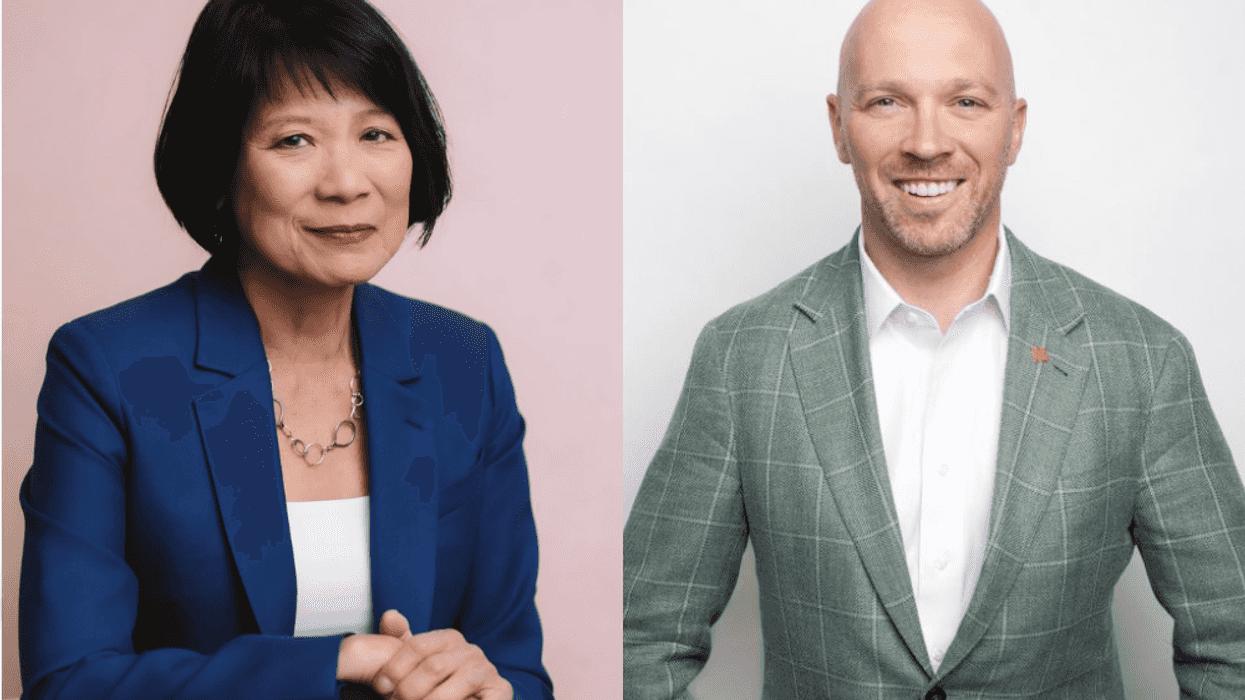
As the Toronto mayoral election nears, candidates Olivia Chow and Brad Bradford present differing strategies to address the city's housing crisis, with significant implications for affordability and urban development.
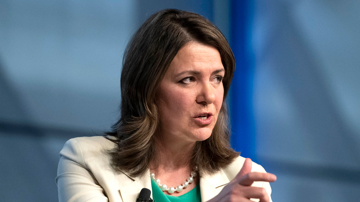
With the Toronto mayoral election set for October 26, the city’s ongoing housing and affordability crisis continues to dominate voter concerns. Recent statistics reveal a stark reality: fewer than one in six residents can afford to purchase a home, while minimum wage earners would need to work 145 hours a month just to meet the average asking rent for a one-bedroom apartment. In 2022, the city committed to facilitating the construction of 285,000 new homes by 2031, yet only about 32% of this goal has been achieved as of August this year.The leading candidates in this election, incumbent Mayor Olivia Chow and former urban planner and City Councillor Brad Bradford, both assert their capability to alleviate Toronto’s housing challenges, though their approaches differ significantly. Chow has pivoted the city’s housing strategy towards a public-led development model since taking office in 2023. Under her administration, 5,271 city-owned housing units have begun construction, including 1,680 designated as affordable housing. Chow's ambitious goal is to deliver 65,000 rent-controlled homes by 2030, with plans to continue utilizing public development to meet this target.
To stimulate development, Chow proposes new incentive programs aimed at reducing fees for developers in exchange for the inclusion of affordable housing units. Furthermore, she advocates for zoning reforms that facilitate the development of missing middle housing, which includes multiplexes that can be built as-of-right. Chow also emphasizes the need for a streamlined development review process, introducing pre-approved building plans and enhanced online application procedures, which she claims has accelerated the approval process for new housing developments by 80%.
In a bid to protect tenants, Chow has pledged the creation of a $2.15-million bad landlord task force under the RentSafeTO initiative, should she be re-elected. This task force would deploy enforcement officers and lawyers to address complaints about neglectful landlords and poorly maintained buildings. Funding for this initiative would come from fines levied on landlords, as well as from RentSafeTO resources.
Chow is also supportive of increasing taxes on vacant and luxury homes, a move she believes will help fund affordable housing initiatives and curb speculative investments in the housing market. In 2023, she implemented a luxury property tax and supported an increase in the vacant homes tax from 1% to 3%.
Conversely, Brad Bradford advocates for a different strategy, favoring private development over the city-led model promoted by Chow. He believes that collaborating with experienced non-profit and market builders will result in faster and more cost-effective housing solutions. As the former Chair of the Planning and Housing Committee, Bradford previously introduced the Housing Action Plan, which aimed to legalize gentle density and revamp urban design regulations to expedite housing approvals.
Bradford has promised to continue refining city guidelines and enhancing the development review process, particularly through increased technological integration. He has also called for the elimination of development charges to expedite construction timelines. Earlier this year, he proposed a motion to reduce these charges by 25%, which was rejected by Chow, and supported a 40%-50% reduction in June.
In terms of renter support, Bradford has outlined a three-part strategy encapsulated in the slogan: “Keep your home. Cool your home. Build more homes.” He aims to reinforce the existing renoviction by-law, improve enforcement through a public dashboard for tracking licenses and investigations, and ensure that renters have access to at least one cool room without incurring rent increases. Additionally, Bradford advocates for clearer regulations and earlier funding for non-profit rental builders to facilitate housing development.
Unlike Chow, Bradford opposes raising taxes on vacant and luxury homes, emphasizing a commitment to keeping costs manageable for all residents. He has also expressed intentions to abolish the Municipal Land Transfer Tax for homes valued at $1.1 million or less. As the election approaches, the contrasting visions of Chow and Bradford on how to tackle Toronto's housing crisis will be pivotal in shaping the city’s future housing landscape.
🏷️
Affordable housing
zoning reforms
renter support
Olivia Chow
Toronto
Brad Bradford
private development
development charges
housing crisis
public development
← Previous Post
Advance Voting in Toronto's 2026 Municipal Election Sees Increased Turnout2 days ago