Trump Modifies Tariffs on Steel, Aluminum, and Copper Imports
📅 5 months ago
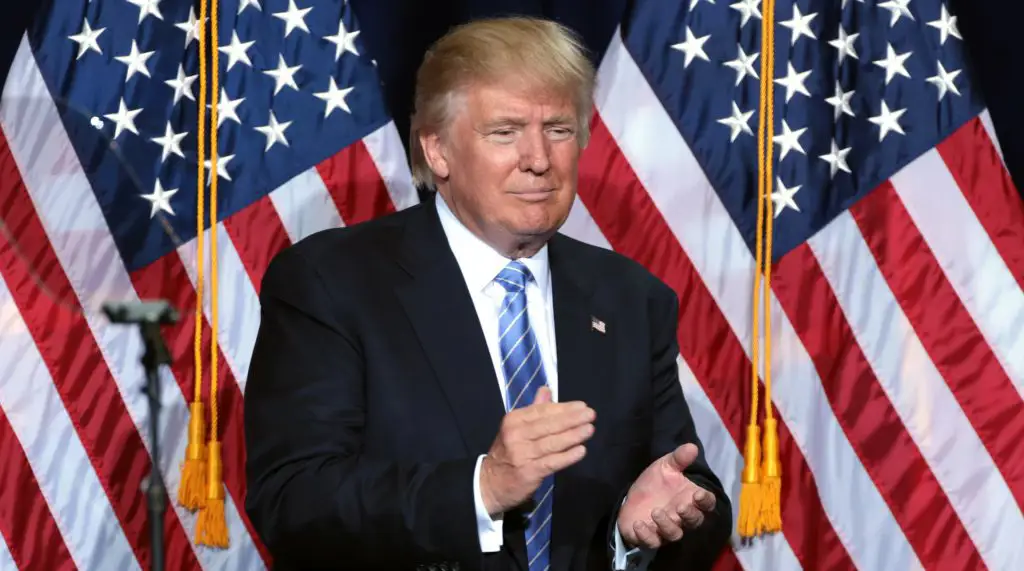
President Trump has announced adjustments to tariffs on steel, aluminum, and copper imports, affecting agricultural and industrial equipment. The changes aim to support the agricultural sector ahead of the midterm elections.
On Monday, President Donald Trump made significant alterations to the tariffs imposed on steel, aluminum, and copper imports, which are pivotal for the construction and agricultural sectors. In an executive order, he announced the reduction of tariffs on agricultural machinery, specifically combines and harvesters, as well as heating, ventilation, and air conditioning (HVAC) systems, lowering them from 25% to 15%. This move is part of a broader strategy to support agricultural interests, especially as the midterm elections approach.Additionally, the executive order expands the category of industrial equipment subject to the 15% tariff. This now includes mobile industrial equipment such as bulldozers and forklifts, provided they are imported from countries that have trade agreements with the United States. Furthermore, the order stipulates that countries utilizing at least 85% melted and poured or smelted and cast steel or aluminum by weight may qualify for a reduced duty rate of 10%. This initiative aims to incentivize foreign manufacturers to utilize U.S. metals in their production processes.
The modifications to the tariffs are temporary and are set to remain in effect until the end of 2027. Trump justified these changes by stating that they appropriately recognize the significant economic role these products play in the U.S. economy. The current tariffs on metals were initially introduced during Trump’s first term in 2018 under Section 232 of the Trade Expansion Act of 1962, which allows the imposition of tariffs on imports considered a threat to national security. In April 2025, Trump had renewed these tariffs.
Since that time, there have been several adjustments, including a substantial increase in June 2025 when tariffs on most steel and aluminum imports were raised to 50% from 25%. In April 2026, a flat rate of 50% was applied to goods primarily made of aluminum, steel, or copper, while derivative products faced a 25% tariff rate if they were substantially composed of these metals.
Legal expert Barry Appleton from New York Law School commented on the motivations behind these tariff adjustments, suggesting they are more politically driven than a genuine effort to alleviate the burdens faced by farmers. He pointed out that with farm bankruptcies on the rise and declining sentiment within the agricultural community, the timing of this proclamation appears to be a strategic move to appease voters in critical agricultural states ahead of the elections. Such political motivations may overshadow the intended economic relief for the agricultural sector as the challenges faced by farmers continue to escalate.
🏷️
steel
tariffs
HVAC systems
agricultural equipment
copper
trade agreements
aluminum
political impact
industrial equipment
construction industry
← Previous Post
Independent Review Initiated for North Shore Wastewater Treatment Plant Amidst Soaring Costs5 months ago
Next Article →
Upfield Capital Expands Portfolio with Acquisition of Cornerstone at Uplands in Edmonton5 months ago