Tsleil-Waututh Nation Launches Legal Challenge Against Vancouver Port Dredging Plan
📅 4 months ago

The Tsleil-Waututh Nation is contesting the Vancouver Fraser Port Authority's plan to dredge Burrard Inlet for larger oil tankers, arguing that the approval process overlooked significant environmental concerns.
In North Vancouver, the Tsleil-Waututh Nation, a First Nation in British Columbia, has initiated a legal challenge against the Vancouver Fraser Port Authority's proposal to dredge Burrard Inlet. This project aims to accommodate larger oil tankers, which are expected to operate with heavier loads. The nation has filed for a judicial review to contest the permits granted by the port authority for the dredging activities. The dredging is set to take place along the northern and southern edges of the navigation channel in Burrard Inlet, specifically beneath the Second Narrows bridge, with operations scheduled to commence in September.The Tsleil-Waututh Nation has expressed its understanding of the project's significance to Canada's trade infrastructure; however, they have criticized the approval process as being “rushed.” The nation claims that their concerns regarding the potential impacts of the dredging, particularly the risks associated with more fully laden oil tankers navigating the inlet, were inadequately addressed. They highlighted that the cumulative effects of shipping activities in the inlet have already severely restricted their ability to engage in traditional practices, which they view as integral to their way of life.
Additionally, the Tsleil-Waututh Nation has pointed out that dredging for larger tankers could alter marine shipping patterns, elevate the risk of oil spills, and exacerbate shoreline erosion. Chief Justin George articulated the nation’s position, stating, “Tsleil-Waututh has a sacred stewardship obligation, a responsibility to care for our lands, air and waters.” He indicated that despite attempts to resolve these issues amicably, the failure to acknowledge their concerns has led them to seek legal recourse to safeguard their territory and interests.
In June, the port authority announced that it had obtained all necessary federal permits to proceed with the dredging, which is intended to allow larger vessels, such as Aframax-class tankers, to load more fully at the Westridge Marine Terminal. At present, these tankers are typically loaded to about 80 percent of their capacity due to the current depth constraints of the inlet.
The concept of dredging Burrard Inlet was initially proposed by Prime Minister Mark Carney in the spring of 2025. However, the most recent federal budget does not specifically reference this project, other than general commitments to enhance access to international markets through investments in various infrastructures, including airports, railways, and ports. The provincial government of British Columbia has expressed support for the dredging project. Energy Minister Adrian Dix remarked last year that the initiative would optimize port traffic and facilitate better utilization, as larger ships could operate at full capacity.
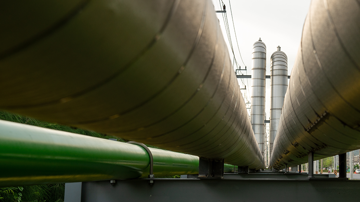
The port authority has clarified that the dredging will not alter the number or size of the largest vessels currently navigating beneath the Second Narrows bridge, confirming that Aframax-class tankers will continue to be the largest vessels allowed. This dredging initiative comes approximately two years after the expanded Trans Mountain pipeline began operations in May 2024, as discussions arise regarding further expansions to diversify energy exports amid ongoing trade tensions with the United States.
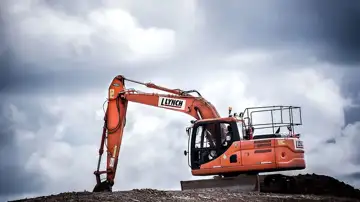
According to background information provided by the port authority, the dredging process is expected to remove roughly 25,000 cubic meters of material, digging to a maximum depth of about six meters below the sea floor.
🏷️
Aframax-class tankers
oil tankers
dredging
Vancouver Fraser Port Authority
environmental impact
Tsleil-Waututh Nation
Indigenous rights
shipping infrastructure
Burrard Inlet
Trans Mountain pipeline
← Previous Post
Alberta Premier Addresses Concerns Over Meta's $13 Billion Data Centre During Call-in Show4 months ago
Next Article →
Metro Vancouver Workers Prepare for Indefinite Strike Amid Stalled Contract Negotiations4 months ago