United Against Alto Launches Campaign to Address Concerns Over Proposed High-Speed Rail Project
📅 2 weeks ago
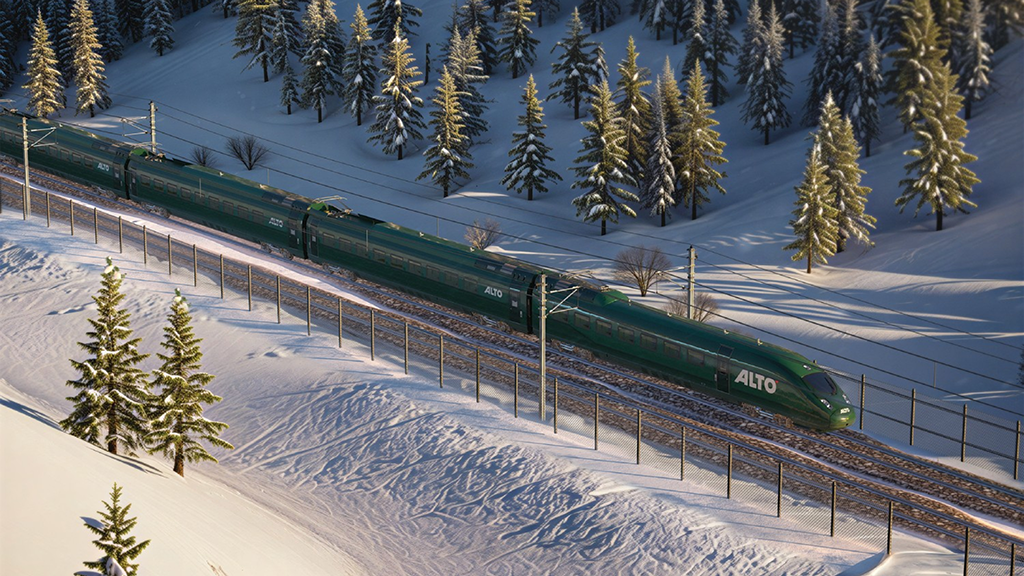
A coalition named United Against Alto has initiated a campaign to engage local communities and candidates regarding the potential impacts of the proposed high-speed rail project connecting Toronto and Quebec City.
OTTAWA — The coalition known as United Against Alto (UAA), which comprises various community organizations and local groups along the proposed ALTO high-speed rail corridor, is embarking on a municipal campaign aimed at engaging candidates and municipal councils in Ontario in light of the upcoming elections. The coalition's initiative is designed to provide local communities with the necessary tools to engage political candidates, express their concerns to municipal councils, and foster political accountability regarding the potential impacts of the proposed rail project on agricultural lands, municipal infrastructure, and local taxpayers.This campaign signifies a significant advancement for communities that have been actively opposing the project, which envisions a high-speed rail link between Toronto and Quebec City. The VIA Rail Canada High Frequency Rail Project (HFR) is estimated to cost approximately $7.6 billion and is currently in the conceptual phase. Prime Minister Mark Carney has previously projected that the project would generate over 50,000 jobs and contribute more than $35 billion to the economy. However, growing opposition is surfacing concerning the ramifications along the proposed corridor.
Heather Levy, an organizer for UAA, articulated the community's concerns, stating, "Communities have been raising many of the same questions about Alto: What happens to prime agricultural land? Who bears the costs of impacts on local infrastructure? And what role can municipalities play in protecting their communities?" This campaign aims to support and connect local efforts to address these pressing questions.
To facilitate this engagement, the UAA has developed a comprehensive municipal campaign toolkit that includes a candidate questionnaire for the 2026 municipal elections, a guide for engaging local candidates, a list of engagement best practices, and a presentation format for municipal council delegations. Local organizations will utilize these resources to engage candidates for mayor and council, seek public commitments regarding the protection of agricultural lands, the oversight of infrastructure impacts, and fiscal accountability, while also publishing candidate responses to inform voters.
Kathleen O’Connell Renaud, the director of ALTNO and a UAA organizer, emphasized the importance of municipal involvement, stating, "Municipalities may not control every aspect of a federal infrastructure project, but they are not powerless. Councils have a responsibility to understand potential impacts and protect municipal assets and taxpayers."
The coalition plans to roll out this campaign across communities situated along the proposed rail corridor as municipal candidates gear up for the 2026 elections.
🏷️
local government
high-speed rail
Quebec
Ontario
community engagement
municipal elections
public accountability
agricultural land
Infrastructure
Transportation