Western Canadian Premiers Meet Amid Alberta's Separation Talks
📅 5 months ago
EDMONTON — British Columbia Premier David Eby has expressed his concerns regarding the annual meeting of western Canadian premiers taking place in Alberta, especially given Alberta Premier Danielle Smith's provocative stance on potential separation from Canada. Eby remarked, "To say that this is the worst time to begin testing the bonds that hold this country together is a significant understatement," emphasizing the gravity of the situation. He believes that such discussions may inadvertently empower those advocating for the fragmentation of the nation.
The timing of this conference coincides with Alberta inching closer to a referendum on separation, as Premier Smith announced that a question will be put to Albertans in October. This question will ask whether they wish to remain part of Canada or initiate steps toward a binding referendum on separation. Eby characterized this move as "reckless," particularly as the gathering of leaders from British Columbia, Alberta, Saskatchewan, Manitoba, the Northwest Territories, and the Yukon was intended to address issues such as internal trade barriers, national defense, and economic corridors.
Eby pointed out the inherent contradictions in the agenda of the meeting, stating, "These topics seem at best confusing, if not totally awkward in light of the referendum question that Premier Smith has put forward." While the leaders may not always see eye to eye, he contended that this is not the moment to consider disbanding the union. He likened Canada to a family, acknowledging that disagreements are natural but should not lead to such drastic actions.
During the conference, which is taking place in Kananaskis, west of Calgary, Smith expressed her eagerness to collaborate with Eby, yet she also voiced her criticisms of the federal leadership and others whom she believes have contributed to a sense of separatism in Alberta. She specifically called out former Prime Minister Justin Trudeau, Liberal MPs, and even Eby himself, asserting that they have hindered the development of essential infrastructure critical for Alberta’s economy, particularly in relation to its oil industry.
Smith has reiterated that the push for separation is not a spur-of-the-moment decision but rather a response to a series of barriers that have stifled Alberta's economic growth and investment opportunities. She remarked, "You get there because of successive barriers to us being able to realize our economic prosperity and be able to attract investment and be able to govern ourselves."
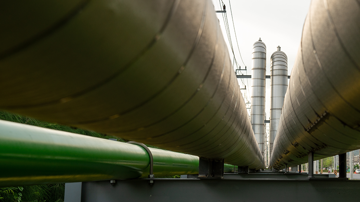
The backdrop to these discussions includes Alberta's plans to propose a new West Coast oil pipeline through British Columbia, with a deadline for submission by July. This initiative is part of a broader agreement with the federal government, which also includes relaxed carbon pricing for Alberta. However, Eby has been vocal about his opposition to any pipeline that would cross British Columbia, citing environmental concerns, particularly the oil tanker ban in the region. He argues that Alberta is receiving preferential treatment from Prime Minister Mark Carney, which he believes is unfair to British Columbia.
As the situation unfolds, Saskatchewan Premier Scott Moe weighed in, supporting Smith's decision to announce the referendum under provincial law, while still affirming his commitment to keeping Alberta within Canada. He noted, "We’ve had 10 years of unconsulted, harmful policy by the previous prime minister," implying that such policies have contributed to the current climate of discontent in Alberta. While Moe aligns with Smith's sentiments, he clarified that it is not his place to judge the decisions of Albertans.
The discussions at this conference, therefore, not only highlight the ongoing tensions between provinces but also underscore the critical issues facing the western Canadian economy, particularly in the realm of energy and infrastructure development. The outcomes of this meeting could have significant implications for the future of interprovincial relations and the broader Canadian federation.
The timing of this conference coincides with Alberta inching closer to a referendum on separation, as Premier Smith announced that a question will be put to Albertans in October. This question will ask whether they wish to remain part of Canada or initiate steps toward a binding referendum on separation. Eby characterized this move as "reckless," particularly as the gathering of leaders from British Columbia, Alberta, Saskatchewan, Manitoba, the Northwest Territories, and the Yukon was intended to address issues such as internal trade barriers, national defense, and economic corridors.
Eby pointed out the inherent contradictions in the agenda of the meeting, stating, "These topics seem at best confusing, if not totally awkward in light of the referendum question that Premier Smith has put forward." While the leaders may not always see eye to eye, he contended that this is not the moment to consider disbanding the union. He likened Canada to a family, acknowledging that disagreements are natural but should not lead to such drastic actions.
During the conference, which is taking place in Kananaskis, west of Calgary, Smith expressed her eagerness to collaborate with Eby, yet she also voiced her criticisms of the federal leadership and others whom she believes have contributed to a sense of separatism in Alberta. She specifically called out former Prime Minister Justin Trudeau, Liberal MPs, and even Eby himself, asserting that they have hindered the development of essential infrastructure critical for Alberta’s economy, particularly in relation to its oil industry.
Smith has reiterated that the push for separation is not a spur-of-the-moment decision but rather a response to a series of barriers that have stifled Alberta's economic growth and investment opportunities. She remarked, "You get there because of successive barriers to us being able to realize our economic prosperity and be able to attract investment and be able to govern ourselves."
The backdrop to these discussions includes Alberta's plans to propose a new West Coast oil pipeline through British Columbia, with a deadline for submission by July. This initiative is part of a broader agreement with the federal government, which also includes relaxed carbon pricing for Alberta. However, Eby has been vocal about his opposition to any pipeline that would cross British Columbia, citing environmental concerns, particularly the oil tanker ban in the region. He argues that Alberta is receiving preferential treatment from Prime Minister Mark Carney, which he believes is unfair to British Columbia.
As the situation unfolds, Saskatchewan Premier Scott Moe weighed in, supporting Smith's decision to announce the referendum under provincial law, while still affirming his commitment to keeping Alberta within Canada. He noted, "We’ve had 10 years of unconsulted, harmful policy by the previous prime minister," implying that such policies have contributed to the current climate of discontent in Alberta. While Moe aligns with Smith's sentiments, he clarified that it is not his place to judge the decisions of Albertans.
The discussions at this conference, therefore, not only highlight the ongoing tensions between provinces but also underscore the critical issues facing the western Canadian economy, particularly in the realm of energy and infrastructure development. The outcomes of this meeting could have significant implications for the future of interprovincial relations and the broader Canadian federation.
🏷️
referendum
energy
oil industry
Alberta
British Columbia
politics
Infrastructure
Construction
separation
premiers meeting
← Previous Post
New Indigenous-Focused Housing Development to Open in Vancouver's Downtown Eastside5 months ago