Alberta Proposes New Regulations for Artificial Intelligence Data Centres
📅 2 days ago

The Alberta government is introducing legislation to establish buffer zones for large AI data centres, addressing community concerns while attracting investment.
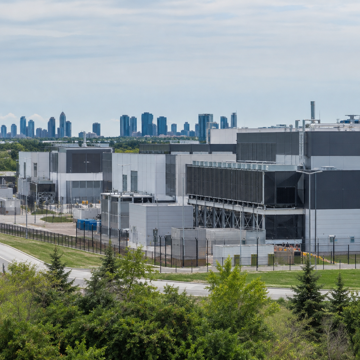
EDMONTON — The Alberta government has introduced new legislation aimed at regulating the construction of major artificial intelligence (AI) data centres within the province. Proposed by Technology Minister Nate Glubish on Wednesday, the new regulations would create a buffer zone of 600 meters around data centres that generate 10 megawatts or more of power. This distance is intended to shield residential areas, high-quality farmland, and irrigated land from potential impacts associated with large data centre operations. Glubish emphasized that this setback is equivalent to the size of approximately six hockey arenas, highlighting its significance in protecting local communities.The new rules will not affect data centre projects that have already obtained development permits and are currently in progress. Notably, this includes the $13-billion AI data centre campus being constructed by tech giant Meta, located north of Edmonton. This ambitious project is projected to require one gigawatt of electricity, which will be supplied by a nearby $4.6-billion natural gas power plant, known as the Greenlight Electricity Centre, scheduled to commence operations in the latter half of 2030. Prior to the power plant's operation, Meta has secured the rights to connect to Alberta’s existing power grid.
Earlier this year, a proposed data centre project near Olds, Alberta, faced significant opposition from local residents, leading to the Alberta Utilities Commission rejecting the application for a natural gas plant due to its proximity to the town. Glubish has faced similar backlash during town hall meetings this past summer, where hundreds of Albertans raised concerns about issues such as environmental pollution, rising power bills, and the extensive water usage associated with data centres. In response, Glubish indicated that the proposed legislation reflects the government's commitment to listening to public feedback while balancing the need for industrial growth in the province.
The new rules are designed to ensure that future data centre proposals are located in areas that are distanced from populated regions, which Glubish believes will alleviate public concerns. He remarked, “I think that’s going to calm a lot of folks, reassure a lot of folks.” The minister also stated he does not regret the absence of stricter regulations prior to the launch of the province's data centre attraction strategy in late 2024, during which numerous proposals were submitted.
The legislation includes provisions for the government to establish future standards regarding water usage for data centres, with the goal of achieving “close to zero” water consumption. Glubish mentioned that the new standards will be stringent enough to effectively ban the use of evaporative cooling methods, which are commonly employed in data centres.
In an effort to facilitate the establishment of data centres in Alberta, the government has implemented a concierge service to assist project proponents through the regulatory approval process. Currently, over 70 proponents are utilizing this service. Acknowledging the prevailing distrust among Albertans regarding the government's protective measures, Glubish expressed his determination to demonstrate that the government is committed to safeguarding community interests.
The proposed legislation is expected to position Alberta as a leader in data centre regulation across North America, according to Glubish. However, the opposition NDP has criticized the timing and content of the bill, calling for a suspension of data centre projects until clearer standards are established. NDP technology critic Nathan Ip expressed confusion over the government's delayed response in developing guidelines, stating that the bill does not adequately address community concerns regarding water usage and lacks specific standards.
In addition to the setback rule and the promise of future water standards, the legislation assigns oversight of all data centre projects exceeding 10 megawatts to the Alberta Utilities Commission, which will now serve as the primary entity for public engagement on these projects. Data centres operating under 10 megawatts will continue to be regulated by local municipalities.
🏷️
data centres
power generation
Meta
water usage
natural gas power plant
community engagement
environmental impact
construction regulations
Alberta
artificial intelligence
← Previous Post
Cameron Betts Elected as New Chair of the British Columbia Construction Association2 days ago
Next Article →
Federal Liberals Set for House of Commons Vote on 2026 Budget Focused on Infrastructure2 days ago