Federal Liberals Set for House of Commons Vote on 2026 Budget Focused on Infrastructure
📅 2 days ago
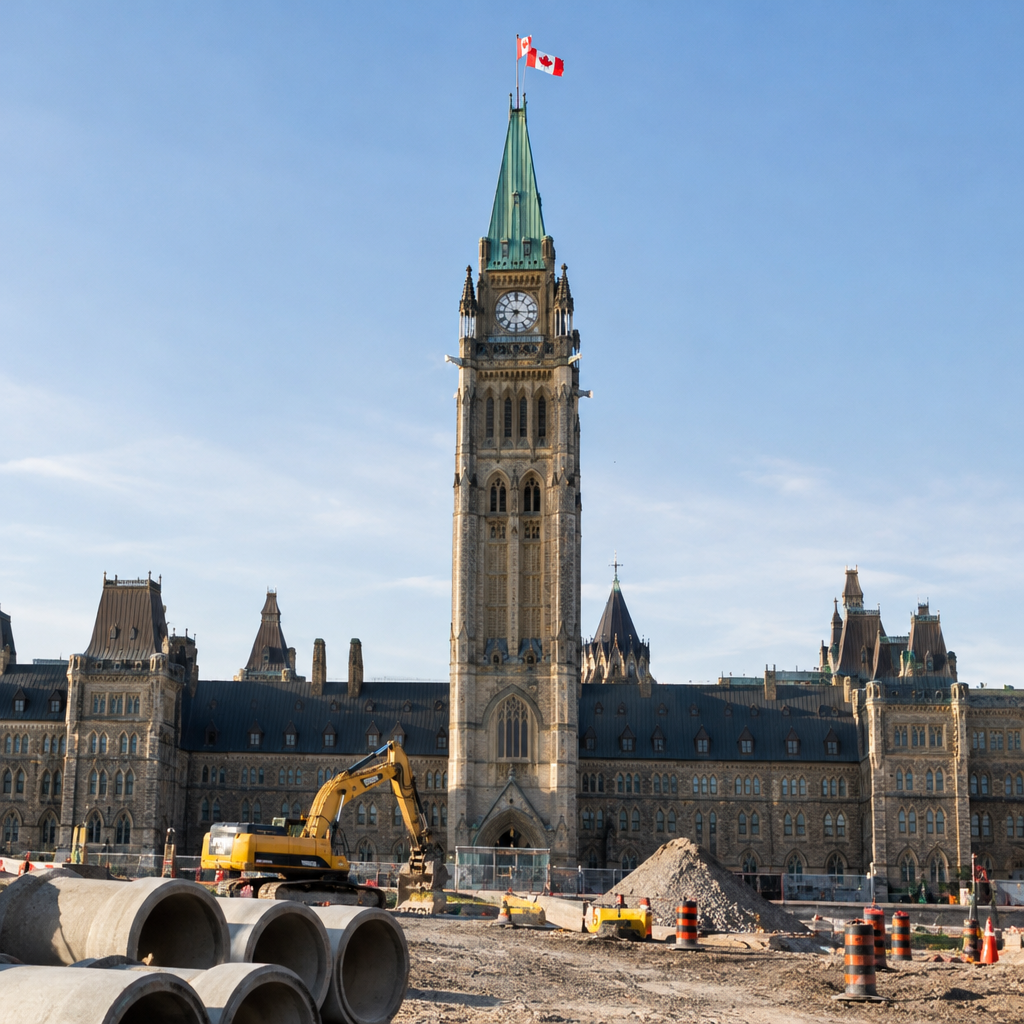
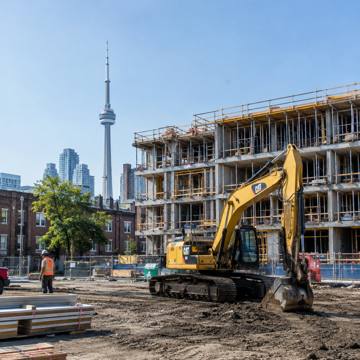
The federal Liberals are poised to face a crucial vote regarding their proposed 2026 budget, which emphasizes significant investments in infrastructure and capital projects despite opposition criticism.
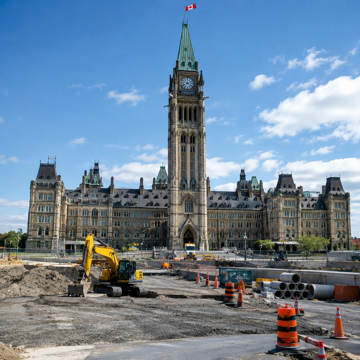
OTTAWA — The House of Commons is set to deliberate on a vote concerning the federal Liberals' proposed 2026 budget today. The budget, which was introduced on November 5, outlines plans for substantial new borrowing and tax initiatives aimed primarily at bolstering infrastructure construction and various capital projects across Canada. With the Liberals currently holding a majority in the House, they are positioned to pass much of their proposed agenda without needing support from opposition parties.Conservative Leader Pierre Poilievre has voiced strong objections to the extent of borrowing suggested in the budget, criticizing the potential long-term implications for Canada's fiscal health. Meanwhile, NDP Leader Avi Lewis has expressed concerns that the Liberals' spending plan is overly accommodating to large business interests, potentially sidelining smaller enterprises and individual Canadians.
In defense of the budget, Finance Minister François-Philippe Champagne has asserted that it addresses the challenges of the current economic climate by taking advantage of Canada’s relatively robust fiscal standing to invest in the nation’s future. The budget's title, "Maîtres Chez Nous" or "Masters of our Destiny," is a nod to the historical context of Quebec’s Quiet Revolution, which sought greater autonomy and control for the province.
However, Bloc Québécois Leader Yves-François Blanchet has criticized the budget, claiming it fails to grant Quebec the increased authority over its own governance that he believes is necessary. This contention highlights ongoing debates about provincial autonomy and the federal government's role in regional affairs.
As the Commons prepares for the vote, the implications of this budget could be far-reaching, influencing not only infrastructure development but also the broader economic landscape as Canada navigates its post-pandemic recovery. Key stakeholders in the construction and infrastructure sectors will be closely monitoring the outcome, as it may dictate funding flows and project priorities in the coming years.
🏷️
Canada
federal government
2026 budget
economic recovery
political debate
tax measures
fiscal policy
infrastructure construction
provincial autonomy
Liberal Party
← Previous Post
Alberta Proposes New Regulations for Artificial Intelligence Data Centres2 days ago