Construction Advances at Atlantic Spaceport Complex for Future Canadian Orbital Launches
📅 5 days ago
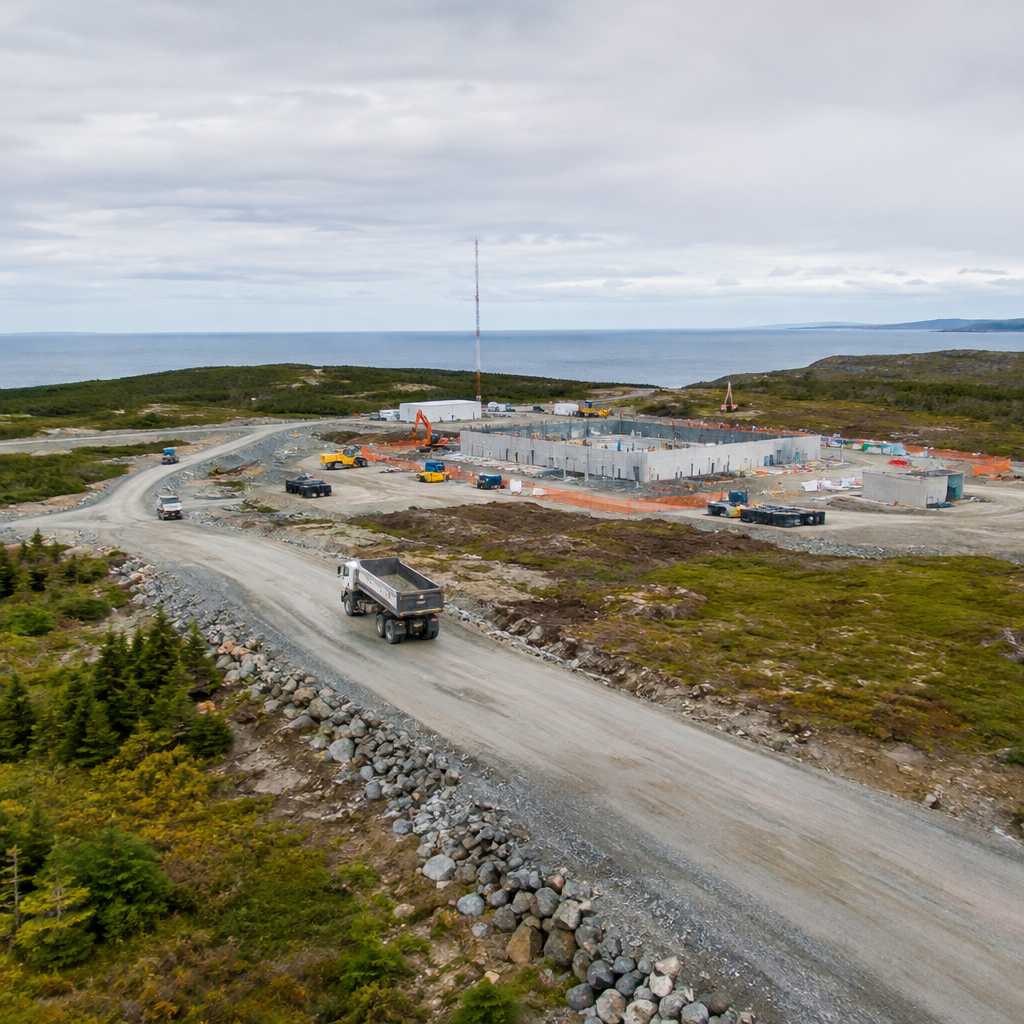
NordSpace's Atlantic Spaceport Complex in St. Lawrence, N.L., is progressing into a critical phase of construction, gearing up for Canada's orbital launch capabilities with a new access road and essential infrastructure.
Construction efforts at the Atlantic Spaceport Complex located in St. Lawrence, Newfoundland and Labrador, are advancing into a pivotal new phase, as teams commence work on infrastructure aimed at facilitating future Canadian orbital launches. Phase two of this ambitious project involves the development of a six-kilometre launch access road, specifically designed to accommodate the transport of NordSpace’s Tundra light-lift rocket and the larger Tempest medium-lift vehicle to the launch pad. This road is expected to be completed by spring 2027.Following the completion of the access road, NordSpace plans to initiate the installation of the core infrastructure necessary to convert the site into a fully operational orbital spaceport. The comprehensive build-out includes the construction of two orbital launch pads, propellant storage facilities, mission control centers, launch platforms and towers, as well as ground stations for both rocket and satellite communications. Additional infrastructure will comprise vehicle integration hangars, ground support equipment, electrical and water utilities, and the initial components of a visitor center.
The Atlantic Spaceport Complex is recognized as Canada’s largest spaceport and is operated by NordSpace, which holds the distinction of being the country’s sole vertically integrated space missions company. The ongoing construction program represents a critical foundation for NordSpace’s strategy to establish a self-sufficient Canadian launch operation, capable of developing rockets, preparing payloads, and launching them from domestic territory.
Rahul Goel, the founder and CEO of NordSpace, emphasized the company’s commitment to building a sovereign capability, stating, "NordSpace is working tirelessly to build a company that is sovereign in itself, so that it can in turn power a sovereign Canada." He further noted the meticulous approach being taken to ensure comprehensive risk mitigation and the establishment of a commercially viable, technologically relevant, and operationally scalable launch capability in Canada.
The construction of the Atlantic Spaceport Complex builds on previous work initiated in 2024, which included securing environmental approvals, obtaining Crown land grants, and constructing Pad 2A at Space Launch Complex 02 (SLC-02). This pad is intended to support the ongoing development of NordSpace’s Taiga suborbital launch vehicle, which is currently awaiting its inaugural flight pending final regulatory approvals. Upon the successful completion of Taiga's first launch, the company intends to advance the program into VERTEX, which stands for Vehicle for Experimental Rocket Testing and Exploration. This initiative aims to provide opportunities for government, academic, and industry clients to procure Canadian suborbital flights.
The immediate focus of the latest construction efforts is on SLC-01, which is being developed specifically for light- and medium-lift orbital missions. Goel remarked, "Phase two is where the vision takes physical shape at St. Lawrence." The aim is to achieve a first made-in-Canada orbital launch by no earlier than 2028, with the site designed to accommodate a relatively high frequency of launches.
The completion of the access road will pave the way for a significantly larger scope of specialized construction activities. In addition to the launch pads, the site will require facilities capable of integrating rockets and satellites prior to their transfer to the launch pads. NordSpace is leveraging insights gained from its inaugural Terra Nova satellite mission to inform the design of the satellite integration facility at the spaceport.
The Terra Nova satellite successfully launched aboard SpaceX’s Transporter-18 rideshare mission from Vandenberg Space Force Base in California in October and is currently operational in orbit. NordSpace is applying its experience in integrating a Canadian spacecraft with a launch vehicle to the design and operational requirements for its facilities in Newfoundland.
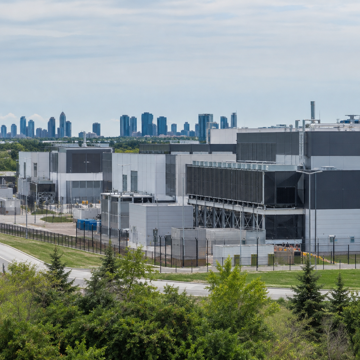
Further infrastructure developments are planned before the first orbital mission, including the establishment of Test Complex 1 and Test Complex 2 at the St. Lawrence site. These complexes will enable comprehensive full-stack vehicle testing at the same location from which the rockets will ultimately launch. Meanwhile, at Rocket Factory 1 in Markham, Ontario, NordSpace is making strides in the development of the Tundra orbital vehicle utilizing metal additive manufacturing and automated composite technologies. Both the Tundra and the upcoming Tempest medium-lift launcher will utilize the new six-kilometre access road for transportation to SLC-01 for their launches.
The construction project is bolstered by a total investment of $10 million, which comprises $1 million from the federal government through the Atlantic Canada Opportunities Agency’s Regional Economic Growth through Innovation program, $4 million from the Government of Newfoundland and Labrador, and $5 million from private capital provided by NordSpace. A significant portion of the project work is being executed by contractors and suppliers based in Newfoundland’s Burin Peninsula.
NordSpace has stated that the site’s safety corridors, available launch inclinations, and potential for expansion will enable the complex to accommodate larger vehicles and a greater frequency of launches as time progresses. The ownership of the spaceport is also a crucial aspect of NordSpace’s business strategy, as it provides the company with control over the physical infrastructure and operational scheduling necessary to enhance launch frequency. Goel concluded, "The Atlantic Spaceport Complex is a cornerstone of that capability," highlighting that the Newfoundland construction initiative integrates the company's three main areas of development: rockets, spacecraft, and the requisite ground infrastructure for their launch. The overarching goal, he stated, is to establish "every ingredient of a Canadian space economy" wherein "Canadian rockets launch Canadian payloads from Canadian soil."
🏷️
Newfoundland and Labrador
Construction
orbital launches
rocket development
Atlantic Spaceport
Infrastructure
suborbital flights
NordSpace
space economy
commercial space
Next Article →
Child Care Access Hurdles Impact Ontario's Skilled Trades Workforce Growth5 days ago