Bald Range Wildfire Forces Evacuations and Declares State of Emergency in British Columbia
📅 3 months ago
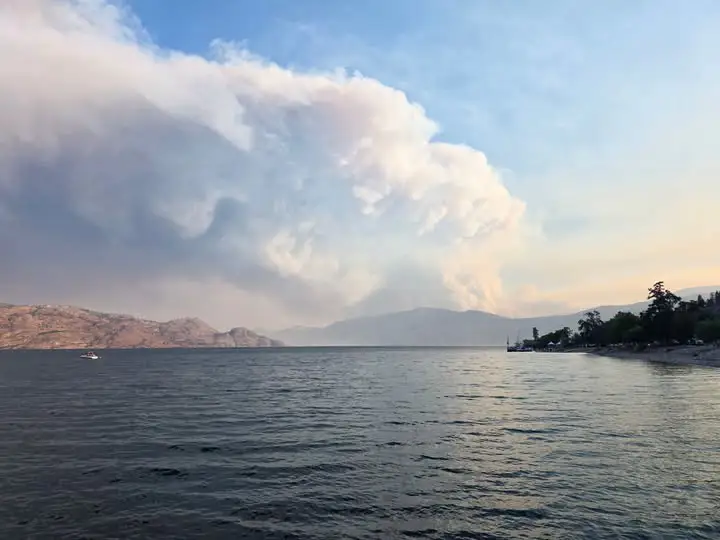
The Bald Range wildfire in British Columbia has led to significant evacuations, a provincial state of emergency, and extensive firefighting efforts as the blaze threatens communities and wildlife.
In the south Okanagan region of British Columbia, the Bald Range wildfire has rapidly escalated since its detection on August 7, prompting officials to declare a provincewide state of emergency the following day. Premier David Eby emphasized the seriousness of the situation, describing the fire's sudden growth as akin to a bomb going off as it surged towards the community of Summerland, which is home to approximately 12,000 residents.By Tuesday, the fire had expanded to cover nearly 180 square kilometers, with its flames edging towards the neighboring town of Peachland, located about 22 kilometers north of Summerland. In light of the escalating crisis, law enforcement has initiated a criminal investigation into the fire's origin. This follows the circulation of a video that purportedly shows an individual igniting a bear-banger device, although authorities clarified that the footage was taken far from the fire's starting point.
The wildfire has already forced around 20,000 residents from Summerland and Peachland to evacuate their homes, resulting in tragic consequences, including the death of an elderly woman during her escape. The fire has devastated the community of Faulder, which has approximately 215 residents, with social media images depicting homes reduced to ash and rubble. Although officials have acknowledged significant structural losses, they have yet to provide detailed assessments of the damages.
Summerland Mayor Doug Holmes has warned that residents may not be able to return home for an extended period and advised them to prepare for the aftermath. As firefighting efforts continue, additional resources have been deployed to the scene, including 100 firefighters from Mexico, which brings the total number of personnel battling the blaze to 193. They are supported by 14 helicopters and specialized structure protection teams.
Hugh Murdoch from the BC Wildfire Service described the challenges faced by the firefighting crews, including extreme heat, rugged terrain, and the emergence of hot spots that complicate direct fire suppression efforts. Peachland firefighters are collaborating with BC Wildfire Service teams to develop structural protection strategies for high-priority areas, particularly residential zones.
The province has established reception centers in nearby Penticton and West Kelowna for evacuees, booking over 1,000 hotel rooms in these cities and Kelowna to accommodate those displaced by the fire. The B.C. government is working closely with the tourism and hospitality sectors, as well as federal authorities, to secure additional lodging options. The evacuee helpline has seen a dramatic increase in calls, with staffing capacity reportedly increasing twenty-fold over the weekend.
The wildfire's impact extends beyond human residents, affecting tens of thousands of animals, including pets and livestock. Evacuees at the Penticton convention center have brought various animals with them, while many have been forced to leave behind their pets, leading to a surge of social media posts seeking to reunite lost animals with their owners. Agriculture Minister Lana Popham has indicated that an estimated 50,000 farm animals are at risk on 146 agricultural properties currently under evacuation orders.
The Bald Range fire is one of around 100 active wildfires in British Columbia, with many burning out of control, particularly in the southern Interior. Notably, the Pear Lake wildfire has caused significant destruction, impacting over 170 properties in the Clinton area, while the Brunswick Creek and Ainslie Creek fires have collectively scorched more than 700 square kilometers, leading to evacuation orders for various regions, including the Lower Nicola Indian Band's reserve.
As firefighting crews work diligently to contain the blazes, updates from local authorities indicate progress, but uncertainty remains regarding when residents will be allowed to return to their homes. The situation continues to evolve as the province grapples with the ongoing threat of wildfires during this challenging season.
🏷️
firefighting
Infrastructure
Bald Range fire
British Columbia
evacuation
agriculture
community impact
animal welfare
wildfire
emergency response
← Previous Post
WorkSafeBC Urges Employers to Enhance Wildfire Evacuation Plans Amid Ongoing Fires3 months ago
Next Article →
Allied Properties REIT Completes $197 Million in Asset Sales as Part of Deleveraging Strategy3 months ago