B.C. Crane Industry Faces Increased Oversight Following New Safety Framework
📅 Today
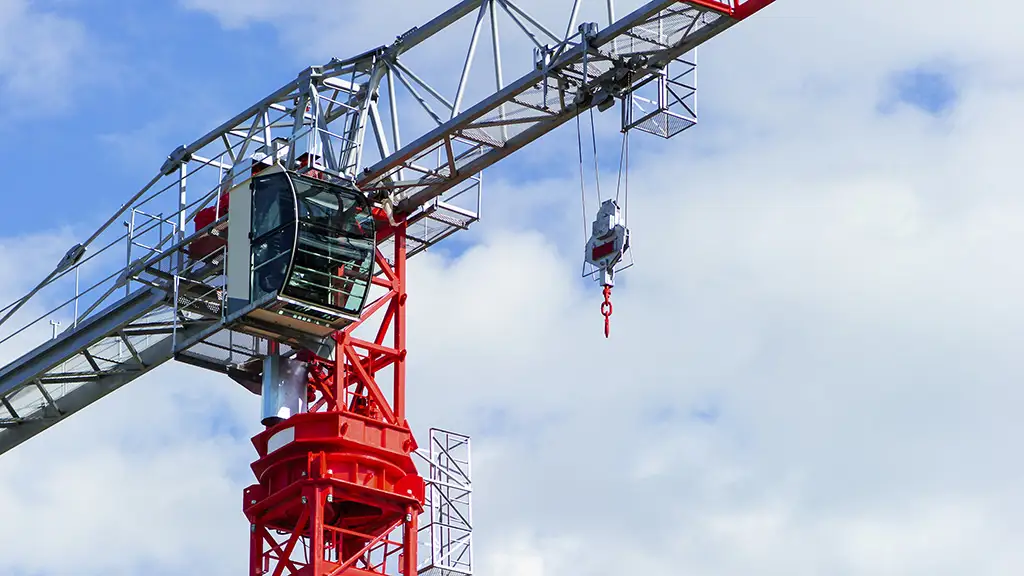
B.C.’s crane sector is set to undergo significant regulatory changes aimed at enhancing safety protocols for crane operations, following the release of the B.C. Crane Safety Framework report.
The crane industry in British Columbia is poised for heightened scrutiny and regulatory changes, as underscored by the recently published B.C. Crane Safety Framework report from September. This document outlines a series of recommendations from the 2025 BC Crane Safety Table, which comprises representatives from various organizations including the Ministry of Labour, Ministry of Post-Secondary Education and Future Skills, WorkSafeBC, SkilledTradesBC, the BC Association for Crane Safety, Technical Safety BC, and labor unions such as the International Union of Operating Engineers (IUOE) Local 115.Cameron Garrison from IUOE emphasized the broad applicability of the framework, indicating that it encompasses all types of cranes, which are classified as high-risk equipment. The report's primary recommendation highlights the need for ongoing attention to all lifting equipment and rigging operations in the province. This includes a focus on the qualifications and competencies of operators, supervisors, contractors, and rigging personnel involved in crane assembly, repositioning, and dismantling.
A significant proposed change involves requiring all prime contractors operating cranes to be licensed by WorkSafeBC. Additionally, a WorkSafeBC permit will be mandatory for all high-risk activities related to crane lifts and assembly. An evolving recommendation aims to classify tower crane and mobile crane operation as compulsory trades under SkilledTradesBC. By July 5, 2027, all operators of these cranes must be registered apprentices, trade qualifiers, or certified journeypersons. Until this transition is complete, operators must secure a provisional operating certificate from BC Crane Safety or achieve full-scope certification.
The focus on tower cranes has intensified over the past few years due to seven fatalities associated with their operation. WorkSafeBC has reported a significant reduction in provisional operators on sites, down by 50% since 2024, in response to concerns regarding inadequate supervision and competency. Angélique Prince, director of prevention programs and services at WorkSafeBC, clarified that provisional operators are not linked to the fatalities, but the incidents have highlighted the need for improved operational standards and the transition to Red Seal designations for crane operations.
The rising number of provisional workers is attributed to an influx of retiring operators alongside increased construction demands. BC Crane Safety's annual reports reveal a consistent trend where provisional tickets outnumber full-scope certifications. For instance, in 2020, there were 642 provisional certificates issued against 379 full-scope certificates. By 2023, the number of provisional certificates surged to 1,673, while full-scope certifications rose to 544. However, there has been a decline in these figures recently, with 2024 recording 1,503 provisional certificates and 614 full-scope certifications.
As of January 2026, the report indicated that there are currently 169 provisional operators on tower cranes, compared to 395 full-scope certifications. The numbers are even more pronounced for self-erecting cranes, with 20 provisional operators versus 644 full-scope operators. Industry insiders acknowledge that provisional tickets have been exploited, with some holders renewing their certifications multiple times without achieving the requisite competencies.
Ralf Notheis, manager at Bigfoot Crane Academy, noted that many provisional ticket holders struggle to progress due to failing the theory test or reluctance to engage in classroom learning. His academy is working with these individuals to facilitate their advancement and ensure they understand the practical implications of theoretical knowledge. Furthermore, supervision challenges have been highlighted, with reports of supervisors managing up to 35 provisional operators across various sites.
Mark Walker from Fraser Valley Crane Training echoed these sentiments, stating that workforce changes have exacerbated the situation, resulting in untrained personnel being placed in critical roles. The new regulations under SkilledTradesBC stipulate a revised supervision ratio of two apprentices for every journeyman.
British Columbia currently leads Canada in the utilization of tower cranes, with a peak of 409 cranes in operation in 2024, though this number has since declined to 373. In contrast, Toronto maintains only 106 active tower cranes. Notheis pointed out that it has become more economical to rent cranes rather than pay for their storage. Another pressing issue is the age of the cranes in operation; Garrison highlighted that there are no regulations limiting the lifespan of tower cranes in B.C., with some cranes dating back to 1975 still in use.
In conclusion, Garrison is actively participating in an industry group aiming to establish criteria for rigging certification that is relevant to industry-specific cranes. The current broad regulations encompass various aspects of lifting and rigging, necessitating a focused approach to define the competencies required for riggers. The full framework report can be accessed online for further details.
🏷️
mobile cranes
Crane Safety
tower cranes
labor training
construction industry trends
construction safety regulations
WorkSafeBC
B.C. construction
provisional operators
SkilledTradesBC