Construction Progresses on Bell Canada's $1.7 Billion AI Data Centre in Saskatchewan
📅 2 weeks ago
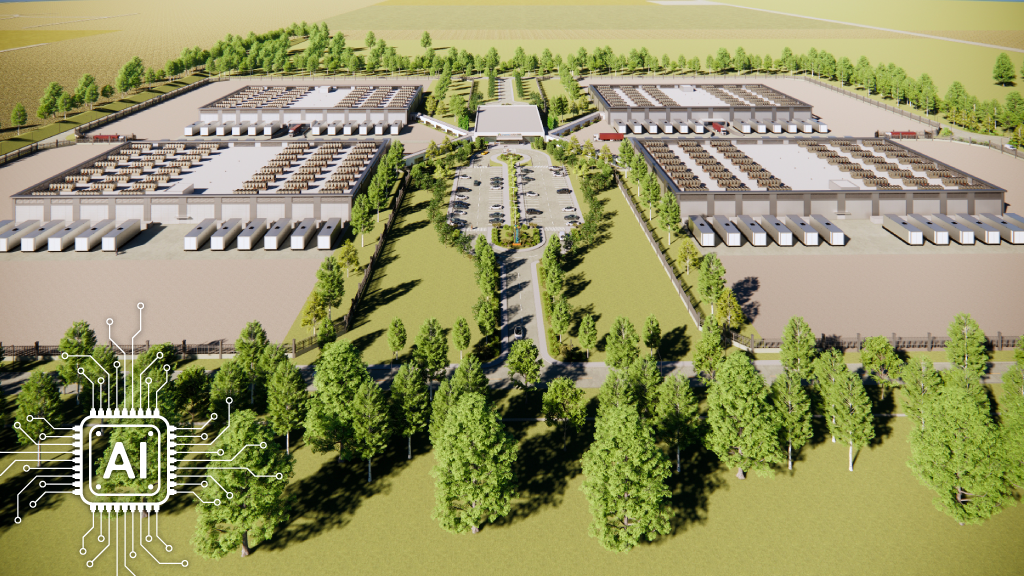
Bell Canada's AI Data Centre in Saskatchewan is under construction, with significant progress reported and plans for future expansion.
REGINA — In a recent announcement, Saskatchewan's Crown Investments Minister Jeremy Harrison highlighted the ongoing construction of a massive artificial intelligence data facility located southeast of Regina. Standing before a framework of steel beams, he expressed optimism about the project’s development. "We have just an amazing thing going on here behind us," Harrison remarked, pointing out the substantial amount of steel involved in the construction. The facility, known as the Bell AI Fabric Data Centre, spans a remarkable 65 hectares and is expected to be one of the largest data centers in Canada.As of now, construction crews are actively working on-site, with heavy equipment moving around the area. The framing for three out of four planned data halls has been completed, and the paneling for one wall is nearing its finish. The site is bustling with activity, featuring numerous trailers, stacks of steel pipes, and piles of dirt, all under surveillance from security cameras monitoring the site’s operations. Harrison noted that approximately 500 workers are present on site at any given time, contributing to the rapid progress of the facility.
The Bell AI Fabric Data Centre is projected to cost about $1.7 billion and will have a capacity of 300 megawatts. John Watson, the group president of Bell, announced that the first two data halls are anticipated to begin operations in the first half of next year. The center's initial anchor tenants include CoreWeave and Cerebras, both of which are crucial to its operational strategy.
Looking ahead, Bell has ambitious plans to expand the data center's capabilities significantly. Watson indicated that the company aims to increase the facility's size to 1.2 gigawatts, a venture that would require an investment of around $50 billion and the construction of a dedicated natural gas plant. Although no specific timelines have been established for this expansion, Watson emphasized the need for the facility to potentially be twice as large as the current structure.
Harrison projected that the expansion could yield substantial economic benefits, estimating that it would support 500 permanent jobs directly at the site and potentially create up to 3,000 additional off-site and community jobs. Furthermore, Bell plans to relocate its AI fabric headquarters to Regina, which would introduce an additional 100 management positions to the local job market. Regina's Mayor Chad Bachynski expressed enthusiasm about the project, stating that it positions the province as a burgeoning hub for innovation and growth. He remarked, "These are the kinds of jobs that will help us retain talented young people and attract new workers and families."
In collaboration with the University of Regina, Bell has also expressed interest in conducting research that could involve utilizing the facility’s excess heat for greenhouse operations, further integrating the data center into the community's fabric. However, the project has not been without controversy. There has been significant public opposition, with protests occurring over the past year. Critics are concerned about the environmental impact of the mega project and its implications for the electricity grid. They have also voiced their dissatisfaction with the perceived lack of public consultation prior to the project's rapid approval.
In response to calls for greater community engagement, Harrison maintained that there is already considerable support for the facility. "Elected representatives are here speaking on behalf of their constituents, which I think reflects the broad support that exists out there," he stated. Conversely, the Opposition NDP has urged the Saskatchewan Party government to impose a moratorium on large-scale centers, advocating for more thorough public consultations. NDP energy critic Sally Housser has emphasized the importance of holding town hall meetings to address community concerns, particularly regarding potential impacts on local power bills and overall quality of life.
Addressing environmental concerns, Watson assured that the data center would utilize a closed-loop cooling system, avoiding the use of groundwater. He also stated that the facility would not lead to an increase in power rates, aiming to alleviate some of the fears expressed by community members.
🏷️
public consultation
technology
data management
Regina
job creation
Bell Canada
Infrastructure
Construction
AI data centre
environmental impact
← Previous Post
Alberta's Upcoming Referendum: Implications for the Construction Industry2 weeks ago
Next Article →
Federal Investment of $44.9 Million to Enhance Northwest Territories Housing Infrastructure2 weeks ago