
BuildForce Canada Projects Growth in Manitoba and Saskatchewan Construction Sectors through 2035
📅 2 months ago
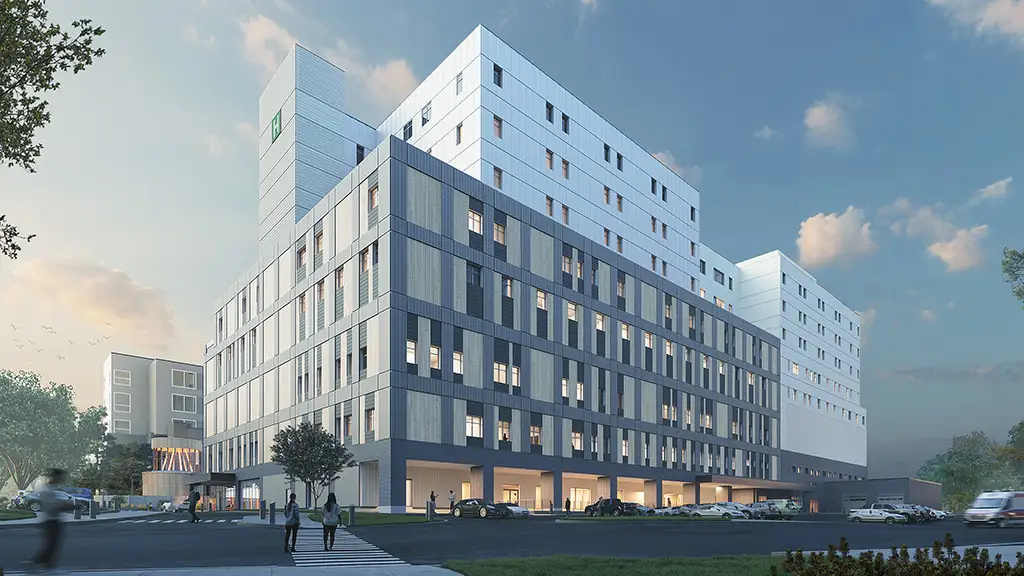
BuildForce Canada anticipates significant growth in the construction sectors of Manitoba and Saskatchewan through 2035, driven by non-residential projects and residential renovations.
BuildForce Canada has unveiled its annual Construction and Maintenance Looking Forward reports, focusing on the construction sectors in Manitoba and Saskatchewan, with projections extending from 2026 to 2035. According to the report, Manitoba's construction landscape is set to improve significantly, primarily due to an upsurge in non-residential construction projects. While residential construction investment is expected to grow modestly during this period, the near term indicates a decline in new housing starts, attributed to a slowdown in population growth and diminished demand. However, this decline in new housing is expected to be counterbalanced by a steady rise in residential renovation activities.Over the long term, the forecast suggests that housing starts in Manitoba will stabilize, although by 2035, employment in the residential construction sector is anticipated to decrease by three percent compared to 2025 levels. This drop will be confined to the new housing sector. In contrast, the non-residential construction sector is poised for robust growth, which is expected to be a significant contributor to the province's construction activity over the next decade. “Investment has been on the rise since 2023, with expectations to peak in 2030, propelled by substantial engineering construction initiatives in utilities, transportation infrastructure, and resource development,” the report details.
Noteworthy projects contributing to this growth include new power-generation initiatives by Manitoba Hydro, ongoing work at the Winnipeg North End Sewage Treatment Plant, and the expansion of Alamos Gold’s Lynn Lake mine. Additionally, investment in Industrial, Commercial, and Institutional (ICI) projects is expected to increase, supported by ongoing health care and institutional developments.
Irwin Bess, executive director of BuildForce Canada, emphasized the influence of significant engineering-construction and institutional projects on Manitoba’s construction outlook. He stated that if several important projects currently on the watch list move forward to final investment decisions, the demand for labor could surge even higher. By 2035, the construction sector is projected to see an 11 percent increase in employment compared to 2025, which translates to a need for approximately 3,400 additional workers. This figure is compounded by the anticipated retirement of 10,000 workers, representing 20 percent of the 2025 labor force, creating a total hiring requirement of 13,400 workers. However, the influx of 11,700 first-time new entrants from the local population is expected to help mitigate this shortfall, potentially resulting in a deficit of about 1,700 construction workers.
In Saskatchewan, the construction sector is also forecasted to flourish through 2035, driven predominantly by a surge in residential construction activity. The BuildForce report indicates that while growth in non-residential building construction may be modest and contingent upon the timing of major projects, there is a notable increase in both new housing construction and residential renovations. In the short term, the sustained investment levels in engineering construction are bolstered by ongoing resource and utilities projects, including the BHP Jansen Potash mine, Foran-McIlvenna Bay mine, and the Aspen Power Station. The anticipated commencement of the Denison Mines Wheeler River uranium project is also expected to support elevated activity levels through to 2031.
While ICI investment in Saskatchewan is predicted to see a slight contraction over the forecast period, immediate activity is fueled by a multitude of health care and education projects, such as the Prince Albert Victoria Hospital development and the Saskatchewan Polytechnic Saskatoon campus renewal. By 2035, employment in the non-residential construction sector is projected to fluctuate with project timings and remain relatively stable compared to the peaks recorded in 2025.
Bess noted that the non-residential construction sector's activity levels are closely linked to the scheduling of several major resource and infrastructure projects. Should various proposed projects currently under consideration, such as the Bell Canada AI Data Centre, the K+S Potash Canada expansion, and several small modular reactors, achieve final investment decisions, there could be a significant increase in non-residential labor demand over the long term.
On the residential front, construction activity is expected to trend upward throughout the forecast period, fueled by new home construction growth and rising renovation demand. Anticipated stability in interest rates and substantial real income gains are projected to boost starts for single-detached units, with levels nearly doubling from 2025 to 2035. Investment in residential renovations is also expected to increase steadily over the same period.
By 2035, employment in the residential construction sector is expected to rise by 23 percent compared to 2025 levels. Overall, Saskatchewan's construction workforce may require the addition of up to 4,100 new workers to meet the increasing demand. This figure is in addition to the 9,400 workers anticipated to retire by 2035, culminating in a total hiring requirement of 13,500 workers. The expected recruitment of 9,900 first-time new entrants from the local population may lead to a potential shortfall of approximately 3,600 construction workers in the province.
🏷️
Saskatchewan
Construction
construction workforce
engineering projects
non-residential construction
Manitoba
renovations
infrastructure projects
residential construction
employment growth
← Previous Post
BuildForce Canada Releases Construction Outlook for Nova Scotia and New Brunswick2 months ago
Next Article →
Canada to Share Toll Revenues from Gordie Howe International Bridge with the U.S.2 months ago