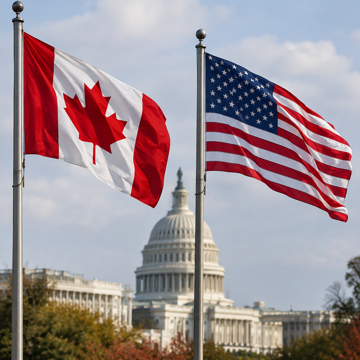
Canada's Budget 2026: A Strategic Move Towards Economic Independence
📅 Today
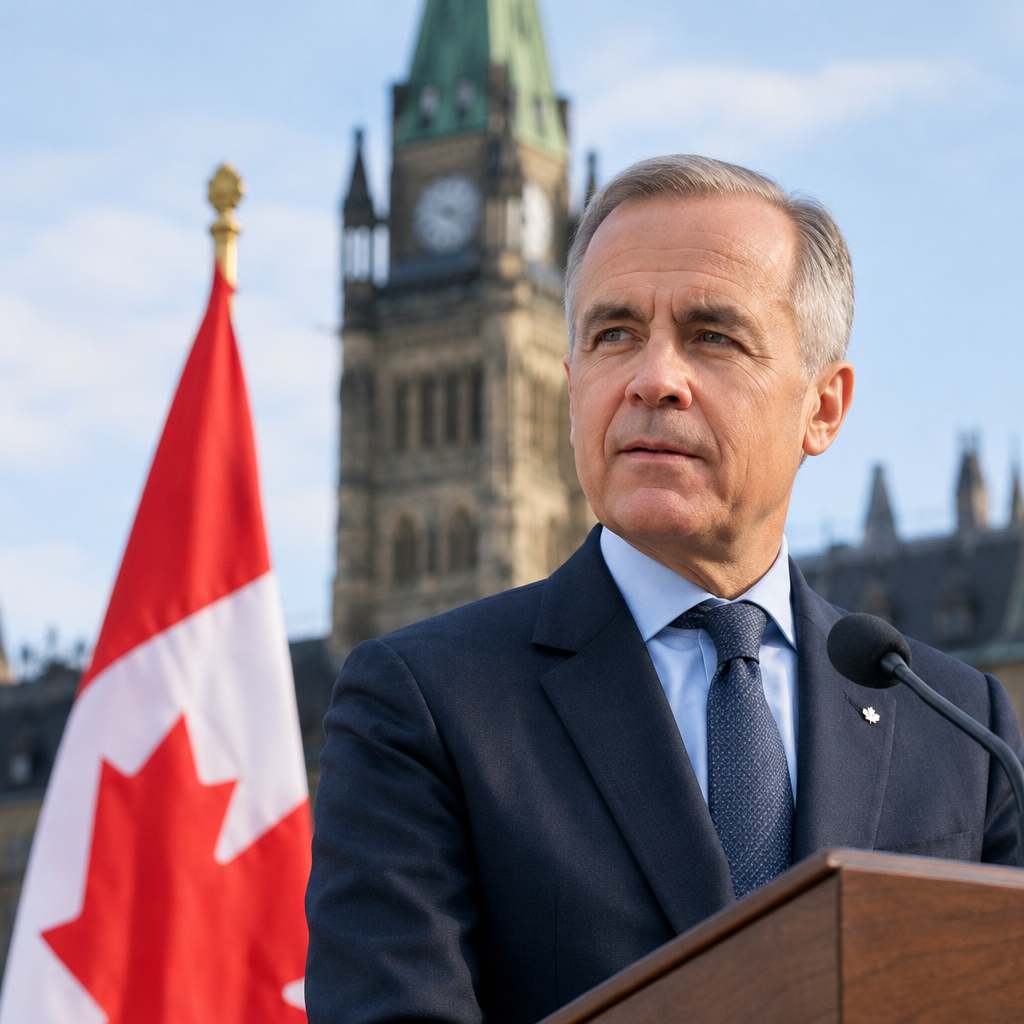
The Canadian government is preparing to unveil its Budget 2026, focusing on economic growth, infrastructure, and productivity improvements under Prime Minister Mark Carney's leadership.
OTTAWA — The federal Liberal government is gearing up to present its Budget 2026 on Thursday, marking a crucial step in addressing persistent economic challenges faced by Canada. This upcoming budget will be the second one delivered under the leadership of Prime Minister Mark Carney, who has emphasized the importance of setting clear expectations for economic growth alongside a forecast for government spending and borrowing. Budgets are not merely financial documents; they also serve as political instruments that can pave the way for new legislation and policy initiatives.In addition to expected new spending proposals, Thursday’s budget will feature an update on the federal government’s immigration levels plan. Following the budget's introduction in the House of Commons, Members of Parliament will engage in weeks of debate, potentially seeking amendments or specific carve-outs from the broader budgetary framework. With a majority government in place, the Liberals are well-positioned to secure approval for their budgetary proposals.
Under Carney’s direction, the Liberal government has expressed its commitment to enhancing productivity, fostering private investment, and expanding infrastructure to help Canadian businesses access new markets. The government has framed its increased spending on defense and infrastructure as a necessary response to U.S. President Donald Trump’s trade policies and other geopolitical tensions, asserting that these measures are essential for maintaining Canada’s economic sovereignty. This budget has been aptly named “Maîtres chez nous,” or “masters of our destiny,” reflecting the government’s intent to take control of its economic future.
Analysts predict that the federal government will continue to rely on borrowing, resulting in relatively deep deficits as it strives to lessen economic dependence on the United States while providing support to industries affected by tariffs. An annual deficit refers to the additional debt incurred by the government within a fiscal year to meet its spending obligations. Unchecked growth in deficits could ultimately impact Canada’s sovereign credit rating, making future borrowing more expensive.
The parliamentary budget officer has already predicted that costs associated with servicing the national debt will emerge as the fastest-growing line item on the government’s financial statements. Critics of the government’s fiscal strategy caution that rising debt costs, if not managed properly, could constrain other government spending priorities and limit Canada’s capacity to respond to unforeseen economic challenges.
The Liberal government often points to Canada’s strong sovereign credit rating in comparison to many G7 nations as justification for its borrowing strategy. Conservative Party Leader Pierre Poilievre has been a vocal opponent of the government's approach to deficits, urging Carney to rein in what he describes as “out-of-control spending” outlined in the budget. The Liberals have pledged to streamline spending on routine government operations, with the goal that federal borrowing will eventually focus solely on capital investments for major projects. They have also committed to reducing deficits relative to the overall economy.
Fiscal experts generally anticipate that Ottawa will record slightly smaller deficits in the upcoming years than previously projected in the spring economic update. Despite numerous spending announcements over the summer, a rise in global oil prices linked to the ongoing conflict in Iran has resulted in increased federal revenues, helping to offset those expenses. Observers will be watching closely for signs that the government is not embedding permanently elevated costs into its financial forecasts.
In the context of Budget 2026, Ottawa must clarify how its increased borrowing strategy will yield tangible economic benefits, according to analysts from the Institute of Fiscal Studies and Democracy at the University of Ottawa. A central objective of the Liberal administration is to attract greater private investment both domestically and internationally. Business leaders have intensified their calls for tax reform to stimulate such investments.
One significant item already publicized in advance of Thursday’s budget is the so-called “productivity mega deduction,” which aims to incentivize businesses to invest in new equipment and machinery by providing upfront tax write-offs. This initiative is expected to incur a cost of $36 billion over five years. In a recent address to business leaders, Finance Minister François-Philippe Champagne indicated that the government is also seeking to alleviate some tax burdens for small and medium-sized enterprises. He asserted that Budget 2026 is fundamentally about “changing Canada’s growth model,” which has seen productivity levels lag behind those of the United States and other comparable countries for over a decade.
Much of the investment agenda proposed by the Liberals is designed to motivate businesses to acquire better tools for their workforce, a strategy that economists widely agree is crucial for enhancing productivity. Carolyn Rogers, the senior deputy governor of the Bank of Canada, who previously raised concerns about Canada’s productivity crisis, informed Members of Parliament on Tuesday that there are emerging signs of improvement in productivity, although further efforts are still required.
🏷️
private investment
government spending
economic growth
deficits
tax reform
Canada
Construction
Productivity
Budget 2026
Infrastructure
← Previous Post
BCCSA Contributes $100,000 to Honour the Work Initiative to Promote Skilled TradesToday