Implications of the U.S. Midterm Election Results on Canada
📅 Today
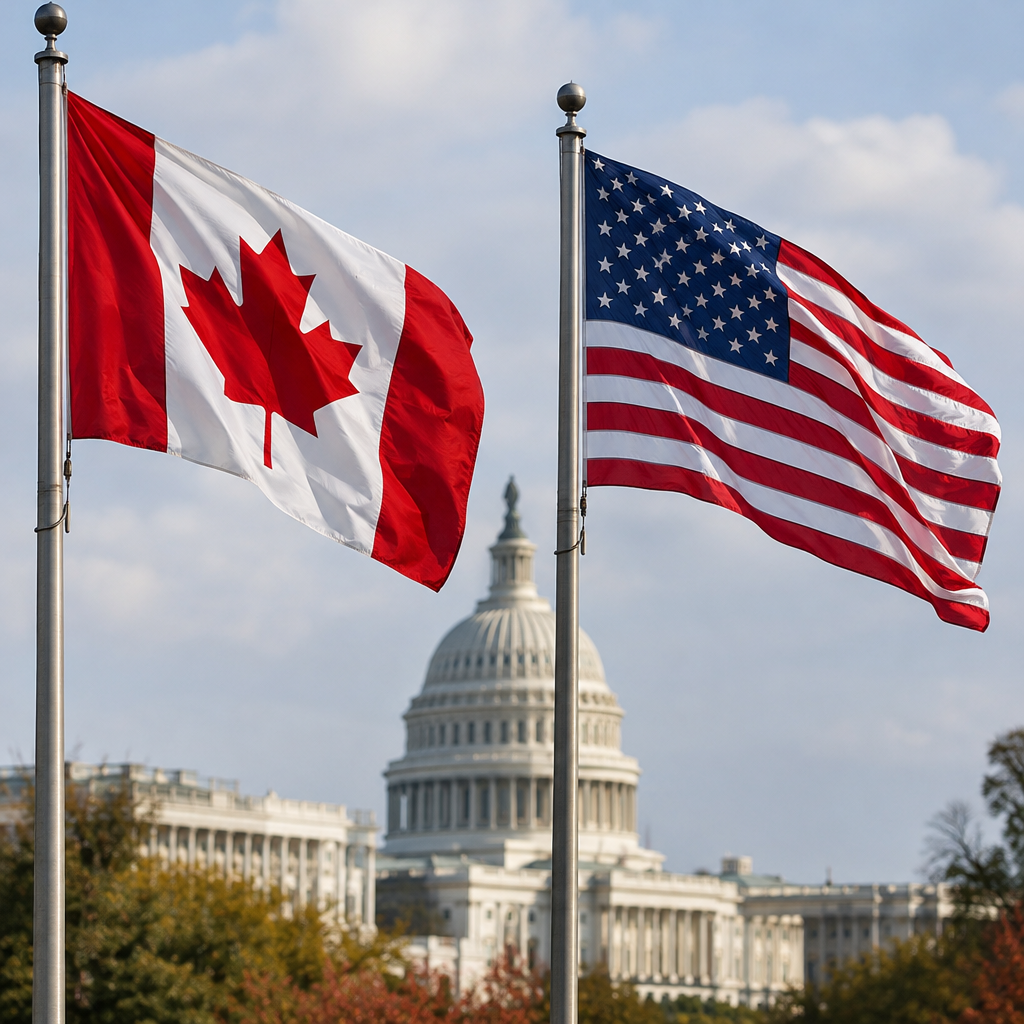
The recent U.S. midterm elections have significant implications for Canada, particularly in areas such as tariffs, military actions, trade relations, and immigration policies. As the Democrats gain control of Congress, the potential for changes in these areas raises questions about the future of U.S.-Canada relations.
OTTAWA — Following the midterm elections on Tuesday, control of both chambers of the U.S. Congress will transition to the Democrats next year, marking a significant political shift that may influence Canada in various ways. The Democratic victory, characterized by a blue wave that permeated even traditionally Republican states, raises questions about the future of U.S.-Canada relations, particularly regarding tariffs, military actions, and immigration policies.With the Democrats poised to take control of the House of Representatives and the Senate in January, there is potential for legislative action aimed at reducing U.S. President Donald Trump’s tariffs on Canadian goods. These tariffs have played a significant role in political debates within key battleground states like Maine and Michigan. Although any proposed legislation could face a presidential veto, Trump expressed a willingness to collaborate with Democrats, stating he does not desire to spend the next two years vetoing every bill that comes his way. He emphasized this sentiment during a live call with Politico on Tuesday, illustrating his stance with a social media post featuring a red baseball cap emblazoned with the word “VETO.”
Voter sentiment was clear in Michigan, where many expressed a desire for the end of the ongoing trade war. The backdrop to these elections includes a series of escalating trade tensions initiated by Trump’s imposition of 50 percent tariffs on a range of Canadian goods following the collapse of trade talks in August. In retaliation, Canada implemented its own tariffs on selected American imports. The situation further escalated the following month when Trump banned imports of certain Canadian products, including motorcycles, liquor, and whey products, while also lifting some tariffs on Canadian exports.
The impact of the U.S. military presence in the Middle East, particularly the ongoing conflict with Iran, was another significant factor in the midterm elections. Trump acknowledged that the situation in Iran influenced voter sentiment, contributing to rising gas prices and dissatisfaction among the electorate. Senate Minority Leader Chuck Schumer remarked that the Democrats would utilize the “power of the purse” to ensure that any military actions are conducted with the consent of Congress. However, the potential for escalation remains as the Trump administration may take further military action before the Democrats assume control in January.
On the Canada-U.S. front, political leaders are viewing the election results as an opportunity to mend the diplomatic relationship. Formal trade negotiations, which had stalled following Canada’s withdrawal from discussions in August, appear to be gaining momentum. Prime Minister Mark Carney noted that recent conversations with U.S. officials have occurred, with Trade Minister Dominic LeBlanc emphasizing that Canada’s strategy of diversifying trade remains unchanged. Beth Burke, CEO of the Canadian American Business Council, highlighted that the newly elected members of Congress will step into office at a pivotal moment for U.S.-Canada relations, emphasizing the potential benefits of reducing tariffs for businesses and consumers alike.
Furthermore, the midterm results could have implications for immigration policies affecting Canadians crossing the U.S. border. Reports indicate a significant increase in the number of Canadians detained by U.S. immigration officials, with Global Affairs Canada noting a 60 percent rise in cases last fiscal year. As the Democrats prepare to take control, there is anticipation that they will address immigration policies that have drawn criticism from both sides of the border.
In summary, the shift in power within the U.S. Congress has the potential to reshape the landscape of U.S.-Canada relations across several critical areas, including tariffs, military engagement, trade discussions, and immigration policies. As both governments look to capitalize on this political change, the coming months will be crucial in determining the trajectory of cross-border relations.
🏷️
political shift
trade policies
U.S. Midterm Elections
tariffs
trade negotiations
Canada-U.S. relations
economic impact
Construction Sector
Military Actions
immigration