CoolRoofsBC Advocates for Cool Roofing in Municipal Elections Amid Rising Temperatures
📅 3 days ago
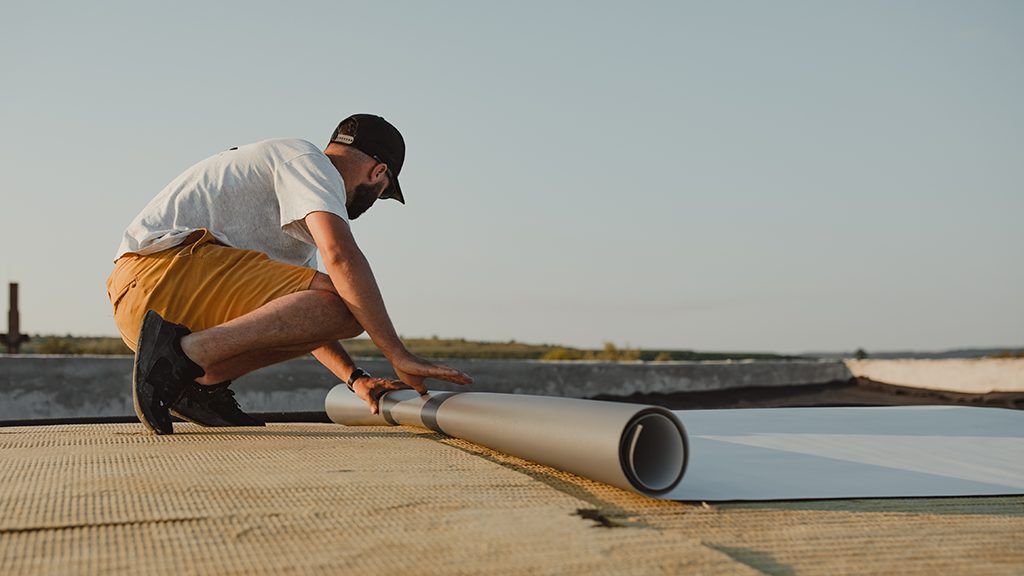
CoolRoofsBC is urging municipal election candidates in British Columbia to consider the implementation of cool roofing to combat rising temperatures and extreme heat events, emphasizing its benefits for urban heat management.
In British Columbia, recent years have witnessed two significant extreme-heat events, one in 2009 and another in 2021, prompting concerns over climate adaptation strategies. As the municipal elections approach this fall, the organization CoolRoofsBC is proactively reaching out to candidates to provide insights into a practical and passive solution that could enhance community resilience against climate change. The organization is advocating for a more prominent consideration of cool roofing as a strategy to mitigate the impacts of increasing temperatures and the frequency of extreme heat occurrences projected for the province.Cool roofs are designed to reflect a larger portion of solar energy and absorb less heat compared to traditional dark roofs. This technology not only lowers rooftop temperatures but also minimizes the transfer of heat into buildings. Furthermore, widespread adoption of cool roofing could significantly alleviate the Urban Heat Island (UHI) effect, where urban areas experience heightened temperatures due to human activities and infrastructure.
In a statement, CoolRoofsBC has posed three essential questions to the candidates regarding their awareness and stance on cool roofing: 1) Are you familiar with the heat-mitigating potential of cool roofing? 2) What do you think accounts for the limited focus on cool roofing in B.C. public policy compared to other regions? 3) If elected, would you advocate for exploring the increased use of cool roofing as a response to the growing challenges posed by extreme heat?
The urgency of these discussions is underscored by the events of the 2021 heat dome, during which 98 percent of heat-related fatalities occurred indoors. Following this tragic occurrence, BC Housing conducted assessments of community housing structures that it funds or manages, particularly those linked to heat-related deaths. Their findings highlighted indoor temperature as a crucial element associated with such fatalities and explored passive solutions to mitigate building overheating, including the use of high-albedo roofing materials.
CoolRoofsBC outlines several advantages associated with the implementation of cool roofing, which include: a reduction in rooftop temperatures and indoor heat gain, enhanced indoor comfort, diminished reliance on mechanical cooling systems leading to energy savings, and a lessened impact of UHI. Additionally, cool roofs offer a passive means of reducing solar heat gain without necessitating electricity, mechanical devices, or active participation from building occupants.
While CoolRoofsBC emphasizes that cool roofs do not serve as a replacement for heat pumps, air conditioning, insulation, trees, or shade, they can effectively complement these systems by decreasing the solar heat that needs to be managed from the outset. It is important to note that CoolRoofsBC operates as an independent public-interest organization, with no affiliations to any roofing manufacturers or specific roofing products, ensuring that its advocacy remains unbiased and focused on community health and climate resilience.
🏷️
sustainable construction
extreme heat
passive design
BC Housing
urban heat island
building materials
energy efficiency
climate resilience
municipal elections
cool roofing
Related Posts