Expansion of Social Medicine Housing Model to Create 200 New Supportive Homes in Toronto
📅 Today
🏷️ City of Toronto Municipality

The Government of Canada, City of Toronto, and University Health Network have announced an expansion to the social medicine housing model, introducing 200 new supportive homes aimed at aiding those experiencing homelessness and complex health needs.
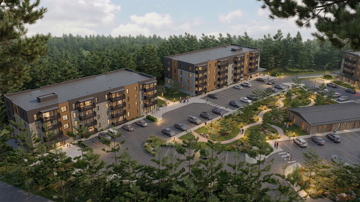
On October 1, 2026, a significant announcement was made by the Government of Canada, the City of Toronto, and the University Health Network (UHN) regarding the expansion of the social medicine housing model. This initiative aims to create approximately 200 new supportive homes across three sites, specifically designed to assist individuals experiencing homelessness and those with complex health needs. The announcement builds upon the earlier successes of Dunn House, which is recognized as Canada’s first social medicine supportive housing initiative, and Spring House, a 54-unit supportive housing project currently under development in Parkdale.The first site, which is part of this new expansion, will provide around 80 deeply affordable and supportive homes located near Toronto Western Hospital. This site will be managed by a non-profit housing provider, selected through a collaborative process led by the City in partnership with UHN. These investments mark a pivotal moment in Canada’s efforts to integrate healthcare and housing, representing one of the most significant initiatives of its kind in the country.
The Government of Canada is contributing over $25 million to support this project through the Build Canada Homes initiative. Subject to approval from the Toronto City Council, the City is prepared to allocate more than $19 million in funding and financial incentives to facilitate the development. Additionally, the UHN Foundation will contribute $20 million to the initiative. CreateTO, the City’s strategic real estate agency, will play a crucial role in identifying locations for the two additional supportive housing sites that will be established in close proximity to Toronto Western Hospital. Further details regarding these remaining sites will be disclosed at a later date.
The social medicine housing model is based on the understanding that various factors, including housing stability, food security, and access to support services, significantly influence an individual’s health. This model aims to provide support to those at the highest risk of adverse health outcomes, particularly individuals experiencing homelessness, older adults, and those with complex health and social needs. By enhancing health outcomes, increasing housing stability, and reducing dependence on emergency and acute care services, the initiative is designed to improve overall well-being for residents and create broader community benefits.
As part of this initiative, UHN will collaborate closely with the City’s shelter and street outreach teams to identify individuals who are unhoused and frequently utilize emergency services within the UHN network. The new supportive housing sites will offer residents access to a comprehensive array of onsite health and social services, as well as connections to primary care and other healthcare supports near Toronto Western Hospital.
Dunn House, the first implementation of the social medicine housing model, has already shown promising results. Early data indicates that residents formerly experiencing homelessness have achieved housing stability, with less than five percent of tenants returning to shelters within the first year of moving in. Furthermore, the initiative has demonstrated a cost-effective approach to addressing homelessness, with Dunn House reporting healthcare cost savings of $2 million, attributed to a 52-percent reduction in emergency department visits and a 79-percent reduction in hospital bed days in the first year post-move-in.
In addition to the new developments, CreateTO is currently leading the construction of Spring House, which represents the second phase of the social medicine housing model. Funded by the Government of Canada, the Province of Ontario, the City, and UHN, Spring House will consist of 54 studio homes targeted towards seniors and older adults who are chronically homeless and frequent users of UHN emergency services. This project is in the early stages of development, with construction anticipated to commence in late 2026.
Various stakeholders have expressed their support for the expansion of the social medicine housing initiative. Olivia Chow, the Mayor of Toronto, emphasized the success of the Dunn House model in helping individuals build stable lives and access essential resources, while The Hon. Gregor Robertson, Minister of Housing and Infrastructure, highlighted the critical need for supportive housing as part of addressing the broader housing crisis. Dr. Kevin Smith, President and CEO of UHN, reiterated the importance of integrating housing, healthcare, and social supports to meet the needs of patients. Dr. Andrew Boozary, Founding Executive Director of the Gattuso Centre for Social Medicine, pointed out that the investment will significantly scale the existing model, making it one of the largest housing and healthcare initiatives in Canada.
Toronto, with its diverse population of over three million residents, continues to be a leading economic engine and a model of livability in Canada. The expansion of the social medicine housing model underscores the city’s commitment to innovative solutions that blend compassion with practicality, ultimately aiming to improve the lives of its most vulnerable residents.
🏷️
community health
supportive housing
non-profit housing
Spring House
social medicine
healthcare integration
Dunn House
Toronto
homelessness
Affordable housing