First Nations in B.C. Challenge Federal Designation of Pacific Link Pipeline
📅 1 day ago
Multiple First Nations in British Columbia have initiated legal proceedings against the federal government regarding the Pacific Link oil pipeline's designation as a project of national interest, citing insufficient consultation and potential risks to local ecosystems.
In British Columbia, a coalition of First Nations has taken legal action against the Canadian government's recent designation of the proposed Pacific Link oil pipeline as a project of national interest. This designation was intended to expedite the regulatory review process for the pipeline, which aims to transport oil from Alberta to the coast of British Columbia. The Tsartlip First Nation, located on Vancouver Island, has filed an application in Federal Court seeking a judicial review of this decision. They argue that the federal government has failed to provide adequate information about the pipeline and its possible environmental impacts.Additionally, the St’at’imc Chiefs Council, which represents nine First Nations along the pipeline's proposed route through B.C.'s Interior and Fraser Valley, has also launched a legal challenge. They contend that approving the Pacific Link project without a comprehensive assessment of its risks to salmon populations and fishing rights, as well as without thorough consultation with all affected nations, is both unacceptable and unlawful.
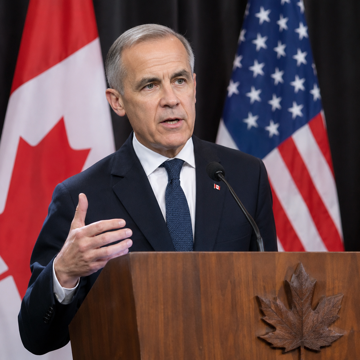
The Tsartlip First Nation's application specifically calls for the court to affirm that the Canadian government is obligated to consult meaningfully with them prior to determining whether the pipeline aligns with the national interest. This project is noteworthy as it was the first to receive the national interest designation under the Building Canada Act, an announcement made last month by Prime Minister Mark Carney and Alberta Premier Danielle Smith.
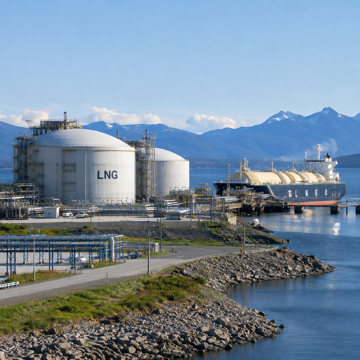
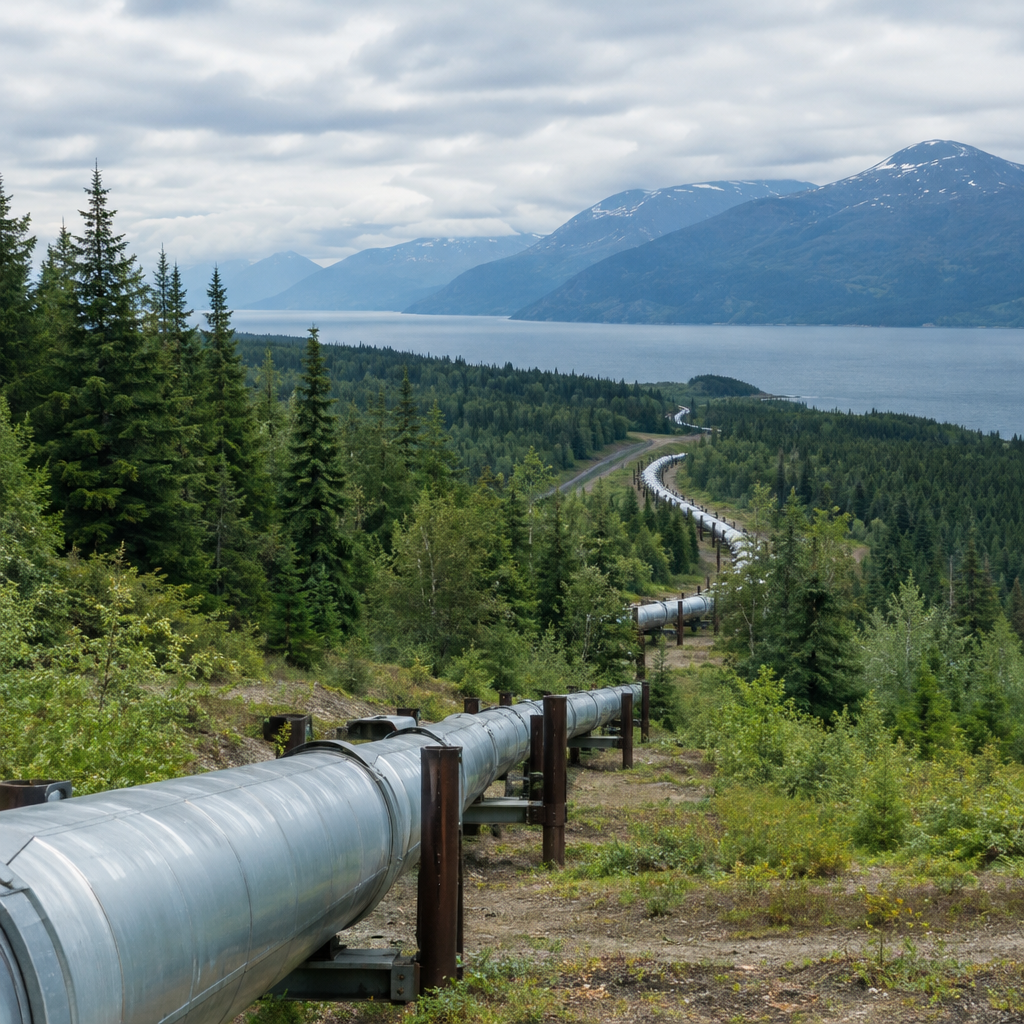
The Pacific Link pipeline is proposed to follow a route similar to that of the existing Trans Mountain pipeline, leading to an export terminal in Metro Vancouver. The estimated cost of the project ranges between $35.2 billion and $42.7 billion. The national interest designation allows the project to undergo a fast-tracked regulatory process, which is being criticized by Tsartlip First Nation spokesperson Adam Olsen, who describes the government's approach as “reckless.”
Olsen has raised concerns regarding the rapidity of the consultation and decision-making process, noting that it occurred in less than three months despite the pipeline being a multibillion-dollar publicly funded initiative that may not be completed until 2032. Furthermore, Olsen points out that the implications of this designation could extend beyond the Pacific Link project, referencing a recent announcement that the Port of Vancouver's Roberts Bank Terminal 2 expansion has also been classified as a project of national interest.
The decisions surrounding these designations are critical, according to Olsen, as they will influence future projects affecting First Nations and the broader community. He emphasizes the importance of ensuring that the voices of Indigenous peoples are heard in these significant decisions that could impact generations to come.
🏷️
Building Canada Act
oil transport
pipeline construction
regulatory process
Indigenous rights
environmental impact
First Nations
national interest designation
B.C. construction
Pacific Link pipeline
← Previous Post
Bow Valley College Unveils Plans for New Health Care Centre of Excellence in Calgary1 day ago
Next Article →
Federal Budget Aims to Transform Canada’s Economic Growth Model, Says Finance Minister1 day ago