Revitalization of Greektown: Streetscaping Project Enhances Detroit's Historic Neighborhood
📅 2 months ago
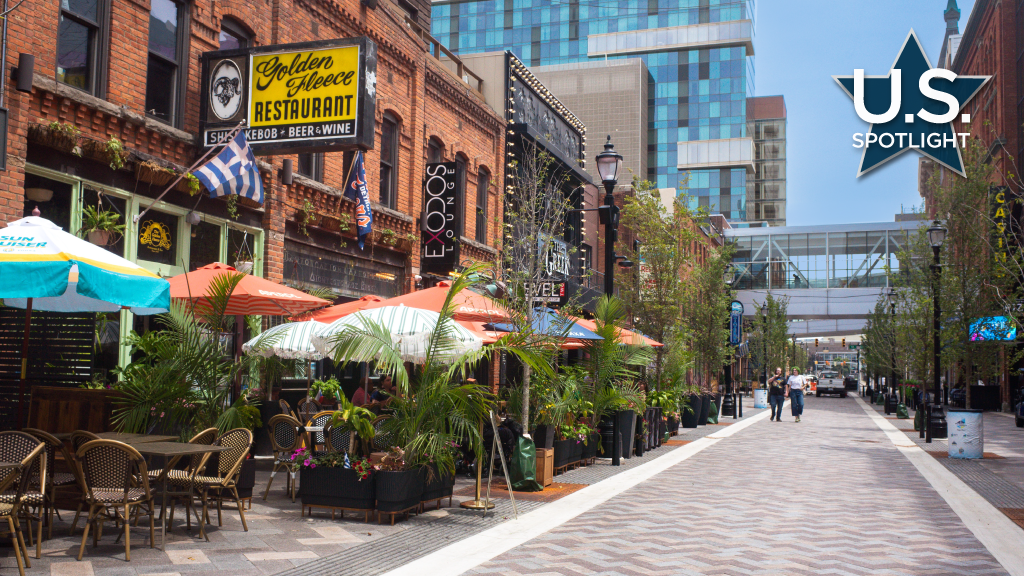
The Greektown neighborhood in Detroit is undergoing a $20 million streetscaping project aimed at improving aesthetics and pedestrian safety, backed by the Michigan Economic Development Corp. and led by Hometown Colasanti Group.
For many years, even during the challenging times for Detroit marked by significant disinvestment and a struggling downtown, the Greektown neighborhood has remained a vibrant hub. This three-block area, located in the southeastern part of the city’s core, has consistently boasted a lively commercial atmosphere filled with an array of restaurants, cafes, and shops, predominantly featuring Greek cuisine. Currently, Greektown is in the midst of a $20 million streetscaping initiative designed to enhance the aesthetic appeal of the area and improve safety for pedestrians and vehicles alike. Funding for this project is provided by the Michigan Economic Development Corporation, the state's development agency. The general contractor for this undertaking is Hometown Colasanti Group.Ayesha Maxwell, the executive director of the Greektown Neighborhood Partnership, emphasized that Greektown has thrived during periods when other sections of downtown experienced decline. This resilience can be attributed to the unique composition of the neighborhood, which is home to numerous family-owned businesses that have operated for over five decades, cultivating a loyal customer base. "Greektown has always remained a true destination because before when you spoke about downtown you spoke about Greektown, so Greektown was Detroit’s downtown for so many years," Maxwell remarked.
Although Maxwell did not provide a specific pedestrian count for visitors to the district, she noted that “thousands visit in any given year.” The area’s appeal was further amplified when the Hollywood Casino in Greektown opened its doors in 2000, solidifying the neighborhood's status as a prime attraction. With the ongoing renovations, the goal is to enhance the pedestrian experience by widening sidewalks and upgrading lighting systems. The existing asphalt has been replaced with premium granite pavers, and new landscaping featuring trees has been incorporated into the design.
The revitalization of Monroe Street, which is the focal point of the project, commenced in March 2025. Construction on the 500 block was completed in June, with the 400 block scheduled for completion this month and the 300 block expected to be finished by November. The project delineates its boundaries from Randolph Street on the west to St. Antoine Street on the east, with the majority of businesses located on the 500 block, which houses over two dozen enterprises.
Throughout the construction phase, all businesses in the area remained operational. However, despite the renewed vibrancy, there are still some vacant storefronts that the project aims to address. As the construction nears completion, Maxwell highlighted that the broader strategy involves filling these vacancies to create a destination where visitors not only come to dine but also to shop, relax, and socialize.
Another notable feature of the new design is a plaza located at the west end of Monroe Street at Randolph, which serves as a gateway to the rest of downtown. This area has seen a resurgence with the introduction of new pedestrian-friendly nodes like Campus Martius, The Belt, and Capitol Park. "It’s giving us that connectivity that we need to the rest of downtown," Maxwell stated.
The Downtown Detroit Partnership, through its Urban Innovation Team, has supported the rebuilding efforts by providing logistics and security in the subdistrict. CEO Eric Larson described the renewal as a crucial element of the downtown experience at street level. He emphasized the importance of reclaiming significant streets, making connections to local and small businesses, and preserving the cultural assets that shape the diversity and history of Detroit.
🏷️
Infrastructure
urban revitalization
Michigan Economic Development Corporation
Hometown Colasanti Group
Cultural Heritage
pedestrian safety
streetscaping
Detroit
local businesses
Greektown