Housing Costs Drive Significant Poverty in Hawaiʻi, New Study Reveals
📅 3 days ago
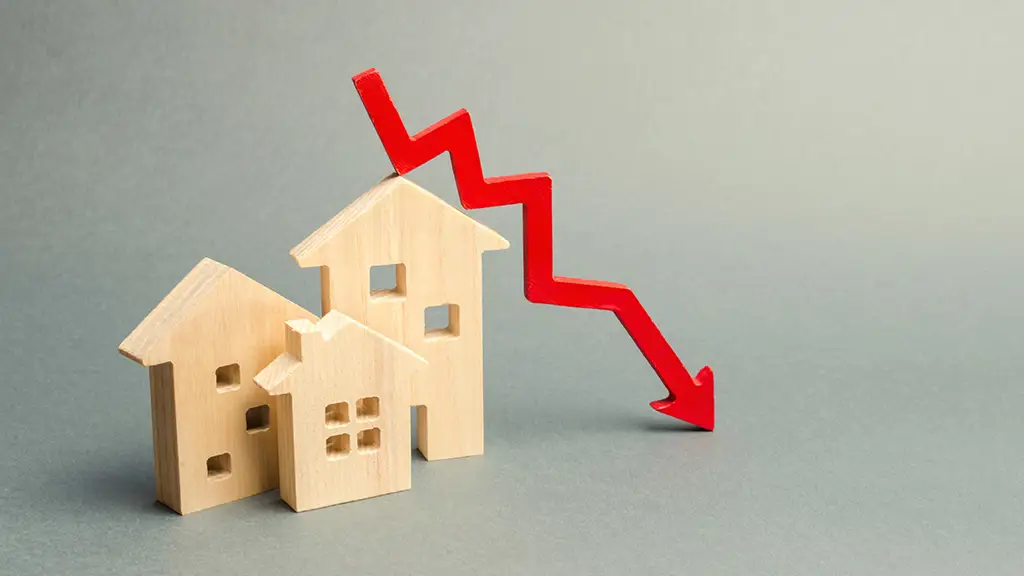
A recent study highlights the alarming impact of housing costs on poverty rates in Hawaiʻi, revealing that over a third of the state's poverty is attributed to housing expenses. With recommendations for easing zoning and building regulations, the study suggests a path forward to alleviate this growing issue.
HONOLULU — A new study indicates that while Hawaiʻi boasts a lower poverty rate than the national average, it experiences a higher proportion of poverty driven by housing costs compared to any other state and Washington D.C. The analysis reveals that 34% of the poverty faced by residents in the state as of 2023 is a direct result of housing expenses. This statistic translates to approximately 150,000 individuals living below the poverty threshold, with a significant portion facing financial hardship due to the exorbitant costs associated with housing.In comparison, California, which has the highest poverty level in the nation, attributes 30% of its poverty to housing costs. Furthermore, for children, Hawaiʻi ranks second only to D.C. in terms of child poverty driven by housing expenses, with 42% of child poverty in the state linked to these costs.
Alex Horowitz, the director of the housing policy initiative at The Pew Charitable Trusts, emphasized the impact of high housing costs on poverty rates, stating, "Hawaiʻi’s poverty rate escalates significantly when accounting for its elevated housing costs, as households require more income to fulfill basic needs."
The study commissioned by Pew utilized the U.S. Census Bureau’s supplemental poverty measure, which takes into account income levels, state and federal benefits, and local housing costs to ascertain necessary survival income. This is a broader approach compared to the Census Bureau’s official poverty measure, which focuses solely on food costs and pre-tax earnings.
To combat the issue of poverty driven by housing costs, the study suggests that reducing barriers in zoning, building codes, and the permitting process could facilitate increased housing supply, thereby applying downward pressure on rents. The analysis posits that a 20% reduction in rents could potentially decrease Hawaiʻi’s overall poverty rate by a quarter and child poverty rate by over a third. If rents were to drop by this margin, about 39,000 residents could be lifted out of poverty due to decreased housing expenses.
The study notes that the average rent for a two-bedroom unit in Hawaiʻi reached $2,050 in 2023, highlighting the financial strain on residents. According to the 2026 Hawaiʻi Housing Factbook, 57% of renters in the state allocate more than 30% of their income to housing costs, while over a quarter of them spend more than half their income on rent. The U.S. Department of Housing and Urban Development classifies those spending more than 30% of their income on housing as "rent-burdened."
The Pew analysis cites successful policy changes in cities such as Austin, Houston, and Minneapolis that have led to increased housing construction, particularly for multifamily dwellings. These adjustments have proven beneficial for renters, who, on average, save over $4,000 annually on housing costs as a result. Strategies employed by these cities include the removal of minimum parking requirements for housing developments, permitting multi-unit buildings on single-family zoned lots, and streamlining the approval process for certain projects.
Horowitz points out the significant control that state and local governments hold over housing costs, highlighting their potential role in alleviating housing-driven poverty. Despite recent efforts in Hawaiʻi to address the housing crisis, such as the 2024 laws permitting accessory dwelling units on residential lots and converting vacant office spaces into apartments, Horowitz notes that these measures have only made minor improvements. He remarked, "More steps will be necessary to resolve the issue, as while zoning reforms are beneficial, challenges remain with permitting and building codes. The actions taken thus far are partial and do not fully address the problem."
Overall, the analysis presents a compelling argument for focusing on housing costs as a critical factor in poverty alleviation in Hawaiʻi, calling for comprehensive policy reforms to enhance housing availability and affordability.
🏷️
poverty
rent burden
housing costs
Urban planning
housing policy
Affordable housing
multifamily housing
Hawaiʻi
zoning reform
Pew Charitable Trusts
← Previous Post
California Enacts New Law to Rein in Labor Regulation Loopholes in Housing Developments3 days ago