Lessons Learned from Geotechnical Challenges on an Alberta Commercial Project
📅 3 days ago
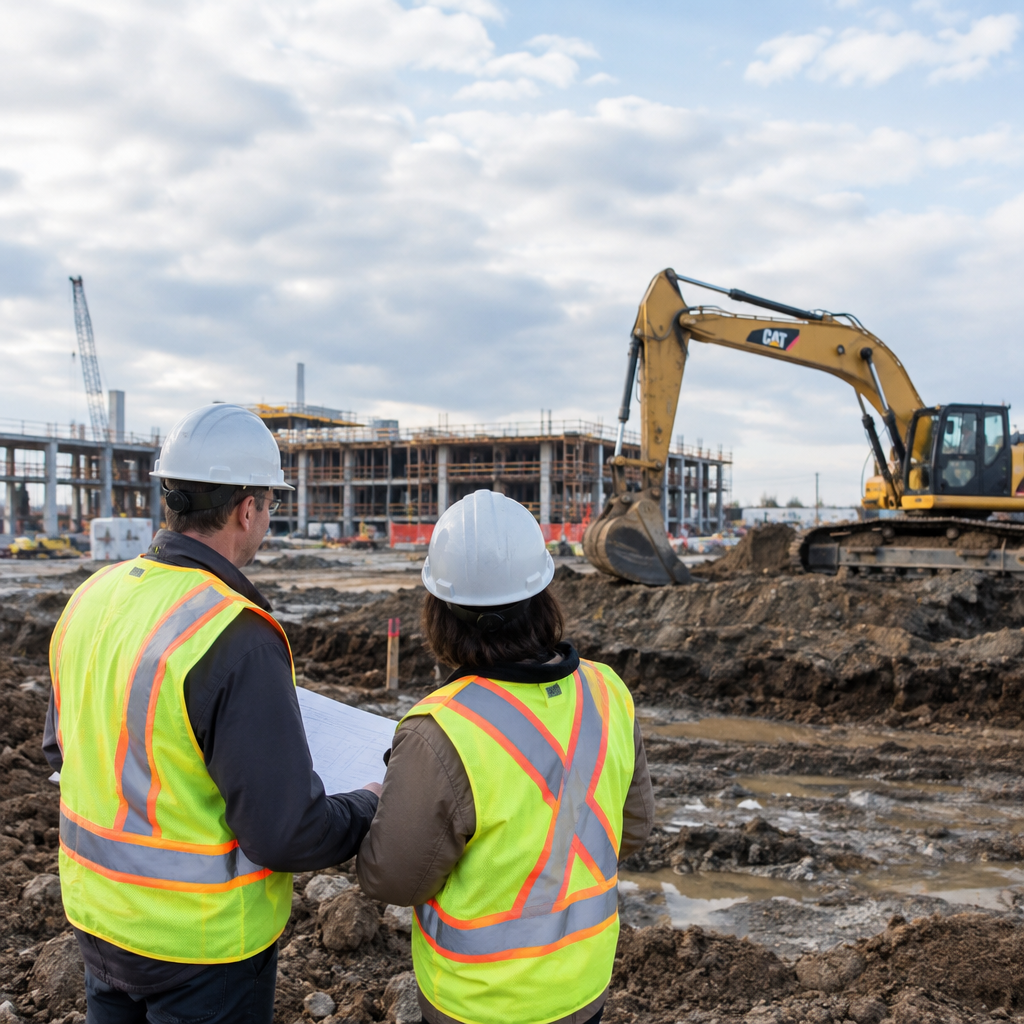
An Alberta commercial project faced unexpected geotechnical challenges, highlighting the importance of early risk assessment in construction.
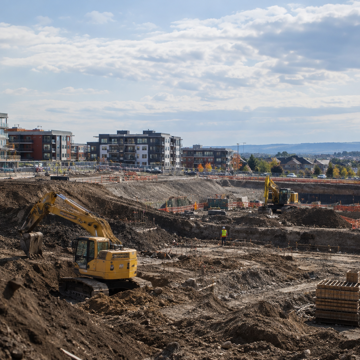
In the realm of commercial construction, an Alberta project initially appeared to be a simple endeavor. The site layout included ample space for the building itself, adjacent parking, and necessary servicing. However, upon conducting soil investigations, the project revealed complexities that would significantly impact costs and construction processes. The drilling uncovered a mix of variable fill, high-plasticity clay, localized sand seams, and a notably high groundwater table. As expected in Alberta's diverse geological landscape, these conditions quickly began to influence various aspects of the project, including foundation integrity, earthworks, groundwater management, and overall construction costs.One of the foremost inquiries typically posed in such scenarios is regarding the allowable bearing pressure for the site. While this question carries its weight, experienced professionals recognize that it may not be the most critical concern. For this particular site, the more pressing issue was whether shallow foundations could be reliably constructed on stable materials. The presence of high-plasticity clay beneath portions of the site complicated matters, as moisture fluctuations and long-term volume changes could drastically affect the performance of the foundations.
The interplay between the sand seams and groundwater dynamics further complicated the foundation discussions. Although the site was primarily composed of cohesive material, the localized sand seams facilitated the ingress of water into the excavations. A contractor might find themselves excavating through stiff clay only to suddenly encounter water entering from a thin sand seam. These rapid changes in conditions could lead to water accumulation at foundation levels, softening the exposed clay and complicating inspection processes as well as concrete placement. To manage these challenges effectively, strategies such as localized pumping, sumps, or granular working surfaces may need to be employed to minimize the exposure time of the founding surfaces.
The examination of deep foundations also brought to light additional challenges related to groundwater and granular layers. As the options for foundation construction were evaluated, considerations regarding pile construction had to account for the presence of groundwater and the potential for sand seams. When bored piles penetrate cohesive soils that contain wet sand or water-bearing layers, maintaining an open borehole becomes a challenge. Temporary casing may be required to ensure the integrity of the pile excavation, allowing for the placement of reinforcement and concrete. The necessity for casing introduces additional equipment and handling requirements, which can extend timelines and reduce production rates for pile installation. Recognizing these conditions prior to the tendering process can allow contractors to price appropriately, whereas discovering them after the arrival of the piling rig often leads to discussions about additional costs.
High-plasticity clay, although common in Alberta, often presents its own set of challenges that can be easily underestimated. While it may provide sufficient bearing capacity, careful management is essential due to its sensitivity to moisture, propensity for shrink-swell behavior, difficulties in achieving proper compaction when wet, frost susceptibility, and potential deterioration under construction loads. A crucial lesson learned on-site was the importance of protecting exposed clay. Once a prepared subgrade becomes wet and remolded, the solution typically involves excavating and replacing material that was previously deemed acceptable.
The earthworks phase of the project illustrated how soil conditions translate into financial implications. Variable fill and unsuitable near-surface soils necessitated careful decision-making regarding excavation and replacement. While it may be straightforward for an engineer to recommend the removal of unsuitable material in favor of engineered fill, each cubic meter removed incurs costs associated with excavation, trucking, disposal, and replacement. An effective earthworks strategy focuses on determining which materials can remain in place, which must be removed, and how excavated materials might be repurposed. High-plasticity clay that is unsuitable for foundational support may still find utility in landscaped or non-structural applications.
Ultimately, the project underscored a fundamental lesson: the challenges encountered were not unique or unexpected but rather a combination of familiar factors prevalent in Alberta's construction landscape. The role of geotechnical engineering extends beyond merely providing bearing pressures or pile capacities; it is about equipping the project team with a comprehensive understanding of how the ground conditions will behave once construction commences. Critical questions arise: Will water infiltrate the excavation? Will clay soften if exposed? Can excavated materials be reused? Will bored piles necessitate casing? Are shallow foundations still viable? Do contractors need additional granular materials or dewatering solutions? These considerations are as vital to the project estimate as the costs of concrete or reinforcing steel. After years of working with soil, one undeniable truth emerges: ground conditions rarely become less costly once construction is underway. Early investigation does not eliminate geotechnical risks, but it empowers the team to manage and price these risks effectively before excavation begins.
🏷️
high-plasticity clay
groundwater management
geotechnical engineering
Alberta construction
project risk management
soil investigation
earthworks strategy
construction challenges
foundation issues
commercial construction
Next Article →
Controversy Erupts Over Revamped Entrance at Chicago's Griffin Museum of Science and Industry3 days ago