Low-Rise Home Sales Surge in Greater Toronto Area Amid Declining High-Rise Activity
📅 Today
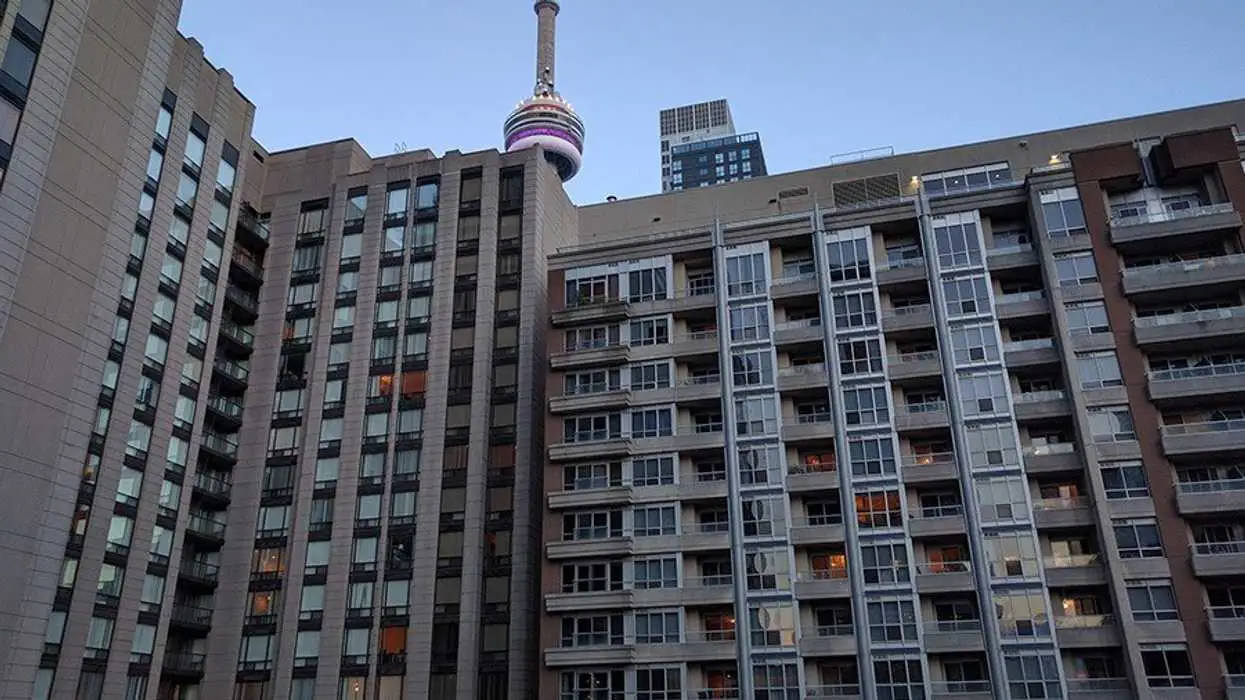
September 2026 saw a significant increase in low-rise home sales in the Greater Toronto Area, contrasting sharply with a record low for high-rise units, highlighting market shifts influenced by the HST rebate program.
In September 2026, builders in the Greater Toronto Area reported sales of 820 new low-rise homes, marking a 17% increase over the 10-year average for the month. This surge represents the sixth consecutive month that sales of low-rise homes have surpassed this historical benchmark, a trend that coincides with the implementation of the HST rebate program. Conversely, the high-rise segment experienced a dramatic decline, with only 129 new high-rise units sold, which is the lowest number recorded for September. This figure is down 40% from the same month in 2025 and a staggering 90% below the 10-year average for high-rise sales. According to the Building Industry and Land Development Association (BILD) and the Altus Group, which provides data for new home markets, the high-rise category encompasses units in low-, medium-, and high-rise buildings, as well as stacked townhouses. Despite the increase in low-rise sales, the overall new home sales in September totaled 949 units, which, while a significant rise from the previous year, still falls 52% short of the 10-year average of 1,978 units for this month. Both low-rise and high-rise segments are subject to the same program, but BILD and Altus attribute the struggles in the high-rise market to program regulations concerning construction start and completion timelines. Edward Jegg, Research Manager at Altus Group, further identified ongoing issues within the high-rise sector, which is burdened by undesirable inventory and constraints related to unrealistic construction schedules. The inventory for high-rise homes rose to 12,909 units in September, translating to approximately 49 months of supply based on the average sales figures over the past year. In contrast, low-rise inventory stood at 7,048 homes, equating to around 11 months of supply. The market has also seen shifts in buyer preferences within the low-rise sector. Justin Sherwood, Chief Operating Officer at BILD, noted a positive response to the HST rebate program, which has led to increased sales activity along with a growing interest in semi-detached homes and townhouses. Notably, over half of the sales in September were attributed to semi-detached homes and townhomes, indicating a shift from traditional sales patterns. Pricing trends reflect these changes; the benchmark price for a new low-rise home was reported at $1,246,764 in September, down 13.3% from the previous year. In contrast, the benchmark price for high-rise units remained stable at $1,031,574, unchanged year-on-year. Both prices are gross figures and do not take into account the HST rebate, which could provide additional savings for qualifying buyers. Sherwood emphasized that the September sales data for high-rise homes should serve as a critical indicator that the program rules require modification to enhance the high-rise sector's ability to engage with the program, thereby benefiting homebuyers across all housing market segments. The situation was even more pronounced in Simcoe County, where only 73 new low-rise homes sold in September at a weighted average price of $998,787, with no high-rise units sold at all.
🏷️
Simcoe County
Altus Group
real estate
Greater Toronto Area
construction timelines
BILD
low-rise homes
housing market
HST rebate program
high-rise homes