Major Projects CEO Addresses First Nations Concerns Over Pacific Link Pipeline Consultation
📅 3 days ago

Dawn Farrell, CEO of Major Projects, acknowledges First Nations' frustrations regarding insufficient consultation on the Pacific Link pipeline during a meeting with the B.C. Assembly of First Nations, highlighting the need for improved engagement and national standards.
OTTAWA — During a recent address to First Nations representatives in British Columbia, Major Projects CEO Dawn Farrell expressed her frustration over the lack of adequate consultation regarding the Pacific Link pipeline, stating it feels like Canada is perpetually stuck in a cycle of inefficiency. Speaking at the B.C. Assembly of First Nations annual general meeting in Vancouver, Farrell faced criticism for the government's approach to consultation and project approvals. The meeting was closed to media but was live-streamed on the B.C. Assembly of First Nations YouTube channel.First Nations leaders have urged the federal government to establish national standards for Indigenous consultations on major infrastructure projects. They voiced concerns over the limited timeframe provided for reviewing the Pacific Link pipeline proposal—only 11 working days to assess whether it should be classified as a project of national interest. Leaders are advocating for procedural protections that would ensure sufficient consultation time before any decisions are made.
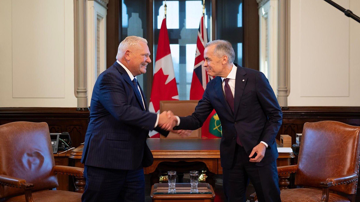
The Pacific Link pipeline, which would transport oil from Alberta to British Columbia, was designated a project of national interest on October 1 by Prime Minister Mark Carney and Alberta Premier Danielle Smith. This designation does not waive the requirement for the government to engage with First Nations on the project's potential impacts. The government aims to finalize reviews and consultations within the next year, with construction slated to commence in September.
Chief Rosanne Casimir of the Tkʼemlúps te Secwépemc presented the call for these national standards, highlighting that the current process requires First Nations to navigate extensive documentation under tight deadlines and with inadequate funding. She referenced Farrell's anecdote about managing two binders filled with 1,200 pages of documents, emphasizing the challenges faced by communities trying to understand the project while decisions are made.
Farrell acknowledged the need for improved consultation processes but expressed concern over how these standards could coexist with the government's expedited project approval timelines. "I hear your pleas and discussions, and I feel like, 'Oh my God, we can never get this country to work,'" she remarked. She noted that her team has faced significant challenges in consultations for previous projects, including the Trans Mountain pipeline, and reiterated the commitment of her office to improve engagement with Indigenous communities.
The federal government initially planned a one-month consultation period to decide on the pipeline's national interest designation, which was later extended to two months after Indigenous leaders raised concerns. A summary posted online by the government indicated that Indigenous groups criticized the lack of information, which hindered their ability to evaluate the project's implications fully.
Farrell emphasized that successful project delivery hinges on respecting Indigenous rights and ensuring that their processes are integrated into project planning. She highlighted the necessity of avoiding a repeat of past failures that have led to prolonged delays and legal disputes. Criticism arose during the meeting regarding the government's push for rapid approval of major projects, with concerns that such speed may compromise protections for Indigenous rights.
Shana Thomas, hereditary chief of the Lyackson First Nation, asserted that consultation must be a collaborative process, stating that Indigenous voices should be equal partners in decision-making, rather than merely subjects of evaluation. Assembly of First Nations National Chief Cindy Woodhouse Nepinak criticized the Major Projects Office for lacking the necessary understanding to engage effectively with First Nations communities, asserting that junior staffers have not fostered the requisite relationships.
In response, Farrell explained that her approach has been to limit communication to focus on achieving the standards expected by Indigenous communities. An email from the Privy Council Office stated that the Major Projects Office collaborates closely with Indigenous groups and that senior officials are available for discussions when requested.
During the same meeting, First Nations leaders passed a resolution urging Prime Minister Mark Carney to halt the progress of the Building Canada Act and to repeal Bill C-39 if it advances through Parliament. This legislation aims to accelerate project approvals and reduce review times while establishing zones of "national interest" for certain projects. Indigenous chiefs warned the government that it risks facing legal challenges if it proceeds without obtaining free, prior, and informed consent as outlined in the United Nations Declaration on the Rights of Indigenous Peoples. Discussions with Carney and provincial premiers are expected to focus heavily on major projects later this month.
🏷️
Infrastructure
oil pipeline
Indigenous consultation
major projects
national interest
environmental impact
project approvals
Pacific Link pipeline
First Nations
Building Canada Act
Next Article →
Graham Selected as Construction Manager for North Surrey Interceptor Storage Tank Project3 days ago