Celebrating National Indigenous History Month: The Construction Sector's Role in Reconciliation
📅 5 months ago
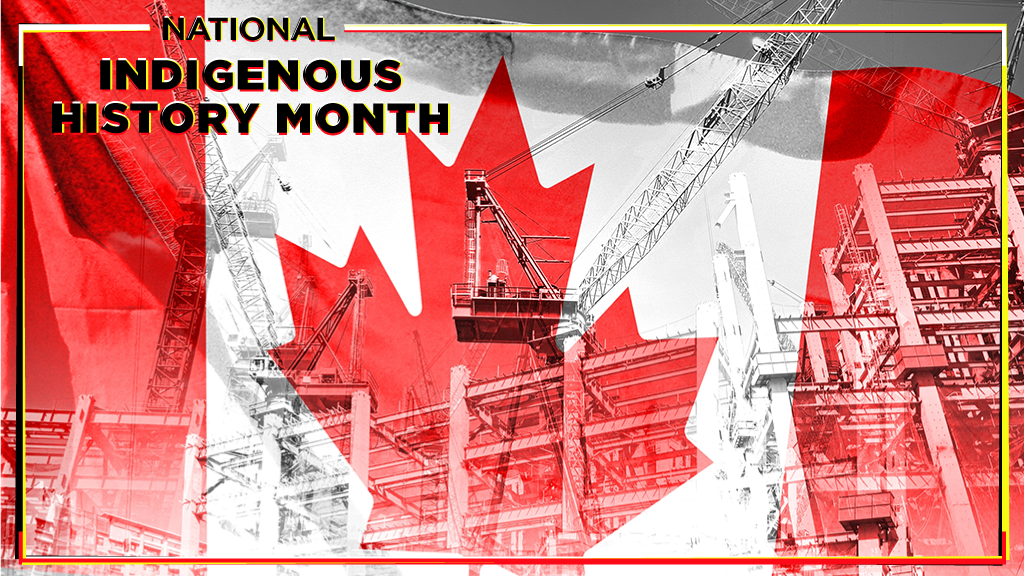
This June, Canada observes National Indigenous History Month, emphasizing the importance of Indigenous culture and the role of the construction sector in fostering reconciliation.
Every June, Canada observes National Indigenous History Month, a time dedicated to celebrating and honoring the distinct cultures, traditions, and experiences of First Nations, Inuit, and Métis peoples. This month serves not only as a celebration but also as a moment for reflection on the lasting impacts of colonization and the ways in which everyone can contribute to reconciliation efforts. The federal government notes that this campaign began in 2009 when the House of Commons designated June as National Aboriginal History Month. In 2017, the name was officially changed to National Indigenous History Month to better reflect the diversity of Indigenous peoples in Canada.In a climate marked by economic uncertainty, there is a renewed emphasis on nation-building projects, highlighting the critical importance of Indigenous consultation and involvement in these initiatives. The construction sector has increasingly formed partnerships with Indigenous stakeholders, recognizing that these collaborations not only create more opportunities but also enrich projects by ensuring diverse voices are included in the decision-making process.
Despite the progress made, significant challenges persist. Many First Nations continue to face issues related to drinking water security, as well as a lack of adequate housing supply and poor living conditions. As construction projects advance, it is vital that Indigenous concerns remain a priority and are not sidelined.
Publications like the Daily Commercial News and Journal of Commerce have taken the initiative to compile stories that address these pressing issues, showcasing how the construction sector is attempting to engage with Indigenous communities. These stories highlight the presence of Indigenous workers on job sites and the sector's efforts to honor Indigenous history, using cultural narratives as inspiration for innovative and striking designs.
Furthermore, the construction industry is seeing initiatives like the CBTU's launch of an Indigenous Reconciliation Action Plan, which seeks to create a framework for meaningful engagement with Indigenous communities. Industry perspectives also indicate that a new model for building on Indigenous land is being explored, emphasizing collaboration and respect.
In the Atlantic region, chiefs are calling for Indigenous collaboration in offshore wind farm development, recognizing the potential benefits of such partnerships. Additionally, Indigenous women are increasingly powering the future of Alberta’s trades industry through programs like Trade Winds to Success, which aim to empower and train Indigenous females in skilled trades.
Notable projects, such as the wave-roofed Ādisōke library, incorporate Indigenous design principles and aim for net-zero features, further illustrating the sector's commitment to integrating Indigenous culture into construction. Moreover, partnerships like the one between Marten Falls First Nation and Bird Construction are setting a precedent with a majority Indigenous-owned partnership model.
However, the Assembly of First Nations (AFN) chief has raised concerns regarding proposed changes to major project development rules, advocating for a thorough debate to ensure Indigenous voices are not marginalized in the process. As National Indigenous History Month unfolds, the construction sector's engagement with Indigenous communities remains a crucial aspect of fostering reconciliation and addressing longstanding issues.
🏷️
reconciliation
First Nations
Indigenous history
water security
partnerships
nation-building
sustainable development
cultural design
Construction Sector
housing
← Previous Post
Metro Vancouver Penalized $170,000 Following Serious Workplace Injury During Watermain Operations5 months ago