New National Monument in Ottawa Commemorates LGBTQ+ Victims of State Persecution
📅 2 months ago

A new monument in Ottawa honors the victims of Canada's historical LGBTQ+ persecution, providing a space for reflection and celebration.
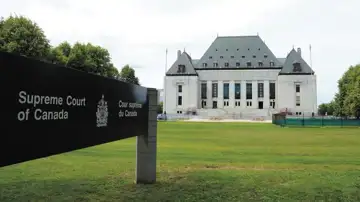
OTTAWA — The official opening of Canada’s new national monument dedicated to LGBTQ+ individuals takes place this morning in Ottawa, just west of Parliament Hill. This site is envisioned as a space for learning, mourning, and celebration, as articulated by Michelle Douglas, head of the LGBT Purge Fund. Douglas represents those from the military and public sectors who were expelled from their roles based on the suspicion of being part of a sexual or gender minority—an unfortunate reality that prevailed across the federal government during the Cold War era. The Heritage Department has described the Purge as a systematic and extensive initiative by the Government of Canada, aimed at identifying and removing thousands of lesbian, gay, bisexual, and transgender individuals from the Canadian Armed Forces, the Royal Canadian Mounted Police, and the federal public service. This campaign, which began in the 1950s and extended into the 1990s, has left a significant mark on the lives of many Canadians. The monument's construction was financed through a $145 million settlement from a class-action lawsuit involving 719 plaintiffs who alleged they were purged by Ottawa due to their sexual orientation or gender identity. Out of this settlement, $15 million was designated for the monument and associated memorialization exhibits. "Not enough people know that this was a historical injustice of great magnitude," Douglas lamented. She highlighted that researchers estimate around 9,000 individuals in federal employment faced harassment, discrimination, and job loss. Douglas herself was among those affected; in the late 1980s, she was discharged from the Canadian Armed Forces, with her release documents stating she was 'not advantageously employable due to homosexuality.' This moment led to her lawsuit in 1992, which prompted the military to adopt more comprehensive anti-discrimination policies. Named Thunderhead, the monument draws its inspiration from a cumulonimbus cloud, which is often associated with powerful storms that bring heavy rain and lightning. According to Anishinaabe teachings, thunderheads are homes to thunderers—spiritual beings whose storms are meant to rejuvenate the land and restore balance. Douglas explained that a thunderhead cloud symbolizes immense potential and the possibility of erupting with renewed energy and hope. The monument’s design features a sculpture reflecting a cloud, created with mirrored tiles and adorned with hundreds of thousands of small glass squares that evoke disco balls. Additionally, Indigenous motifs represent identities that existed prior to European colonization, which imposed a rigid gender binary. Situated along a cycling path by the Ottawa River, the monument offers views of the Supreme Court and Parliament. It includes areas for historical reading, quiet reflection, picnic spots for gatherings, and spaces intended for solemn occasions. The Public Service Pride Network plans to host a dance party at the monument this evening, marking a celebration of joy and love. "We hope any visitor will make it what they need it to be," Douglas stated. She will participate in the morning's opening ceremony alongside Governor General Louise Arbour, dignitaries, and notable Canadians from the LGBTQ+ community, including two-spirit individuals. This event takes place amidst a global trend of diminishing LGBTQ+ rights, as seen in various regions where policies have increasingly marginalized transgender individuals and bolstered penalties for same-sex relations. Douglas remarked, "Discrimination must be fought wherever it exists. The LGBT purge serves as a cautionary tale against judging individuals based on their identity. We should not need to struggle so fiercely for our existence." She noted the ongoing challenges faced by those attempting to erase the lives of trans and non-binary people. Similar monuments, like the Homomonument in Amsterdam, also commemorate the persecution of LGBTQ+ individuals, using granite pink triangles reminiscent of the badges employed by the Nazis to identify LGBTQ+ people in concentration camps.
🏷️
historical injustice
monument
LGBTQ+ rights
memorialization
Canada
Indigenous culture
discrimination
military
Public Service
social equity