Tragic Patterns Emerge from Ontario's Construction Death Review Report
📅 4 months ago

The second article in the series on the Ontario Construction Death Review Committee report reveals the circumstances surrounding 44 construction-related deaths, highlighting preventable incidents and the need for cultural change in the industry.
The latest report from the Construction Death Review Committee sheds light on the tragic circumstances surrounding 44 construction-related fatalities in Ontario, which occurred between 2015 and 2023, as well as one death dating back to 1994. This second article in a series follows an initial overview presented in the first article, which discussed the report's recommendations. The current focus delves into the specific incidents and the emerging patterns that have come to light.Among the heart-wrenching accounts shared, Susy Almeida recalls the day her husband, Ricardo (Richard) Almeida, 47, was crushed by an excavator bucket. She vividly remembers the trauma of witnessing his rescue and airlift to the hospital. "Although it will be eight years on June 20, 2026, the grief still hits us suddenly and unexpectedly… There are days I still expect Richard to walk through the door, but I know he will not," she shared.
Alicia Kaas, 26, was another victim whose death was linked to a drill rig mast coming into contact with an overhead hydro line. Her mother expressed the profound impact of the loss on their family, stating, "We are forever changed, moving forward with heavy hearts and the heavy task of keeping her memory alive for those she loved most."
The report emphasizes that all 44 deaths were potentially preventable, with the hope that the recommendations will lead to a significant cultural shift in the construction industry to avert future tragedies. The fatalities were categorized based on the nature of the incidents, revealing critical insights into the risks associated with various types of equipment and operational practices.
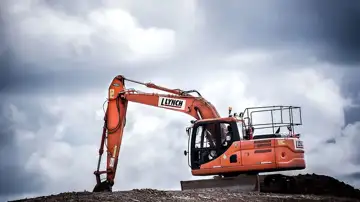
Heavy mobile equipment, including cranes and excavators, was identified as a significant risk factor. Six individuals, including Ernesto Campoli (62) and Amandeep Singh (28), lost their lives due to incidents involving such machinery. Similarly, the dangers posed by digging equipment like excavators and backhoes were underscored by the deaths of Jacob Lein (33) and Vicente Eliseo Gonzalez Bonilla (54).
The complexity of assembly and disassembly operations was also highlighted, with the deaths of Hashmet Ahmed (32) and Richard Almeida being attributed to failures in equipment stability and control during these processes. Stationary heavy machines posed risks as well, as demonstrated by the death of Shogo Minami (27), who was working near such equipment without adequate supervision.
The report further categorized deaths resulting from lifting and hoisting activities, revealing that Theodoros Gertsakis (61) and Robert Nash Aitchison (28) were among the fatalities linked to these operations. Additionally, incidents during loading and unloading procedures resulted in the deaths of several workers, including Marc Normand (50) and Robert Pacan (58).
Other categories included workers being in the wrong place at the wrong time, as evidenced by the deaths of Joseph Roger (Billy) Blanchard (61) and Xiuyuan Pang (55). The report also highlights fatalities due to wall, ceiling, and trench collapses, emphasizing the importance of proper procedures and supervision in preventing such incidents.
Electrical hazards were another significant concern, with Michael Attfield (22) and Alicia Kaas being among those who lost their lives while engaged in electrical work. Furthermore, exposure to hazardous elements led to the deaths of Jia Xiao (32) and Benjamin Readman (52), among others.
Notably, the report revisits historical cases, such as Paul Dawson, who succumbed to complications from a work-related injury sustained in 1994. The review indicates that 47 of the 56 workers for whom employer information was available worked in small- to medium-sized companies, raising concerns about the challenges these firms face in ensuring a safe working environment.
The findings also reveal demographic patterns, with older men being at greater risk in incidents involving falls or heavy machinery. The report underscores that construction sites are inherently dangerous, and a lack of awareness or preparedness can pose significant hazards to workers, regardless of their experience level. The third article in this series will provide insights from members of the review's advisory committee.
🏷️
construction safety
safety protocols
preventable deaths
worker demographics
heavy machinery risks
construction industry culture
Small Businesses
electrical safety
workplace fatalities
equipment hazards