Parliament Resumes Debate on Bill C-39 and New Defence Procurement Legislation
📅 2 weeks ago
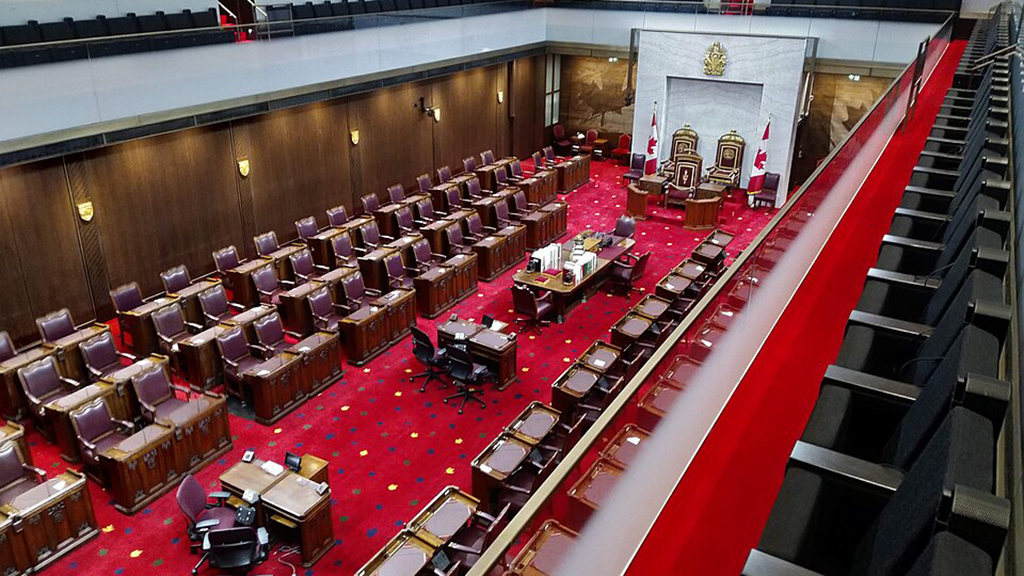
Parliamentarians reconvene to discuss Bill C-39, which aims to expedite federal project decisions and alter labour dispute interventions, amidst concerns from First Nations and labour groups. A new defence procurement bill is also on the agenda.
OTTAWA — As Parliamentarians return to Ottawa, discussions are set to resume on the government's comprehensive 243-page economic and labour bill. This significant piece of legislation, known as Bill C-39, proposes a variety of measures aimed at streamlining federal project decisions within a one-year timeframe. It also seeks to establish designated zones of 'national interest' where certain projects could receive pre-approval, alongside adjustments to the timeline regarding the jobs minister's ability to intervene in labour disputes. These proposed changes are intended to minimize the incidence of work stoppages across various sectors.The government intends to advance this bill to a special committee for in-depth study, rather than utilizing a traditional standing committee, signaling the importance of the legislation. National chief of the Assembly of First Nations, Cindy Woodhouse Nepinak, has expressed concerns regarding the potential implications of the bill on First Nations rights, particularly if it restricts mandatory consultations.
In addition to First Nations' concerns, the bill has encountered resistance from various labour organizations, including the Canadian Labour Congress. They argue that the expanded powers proposed in Bill C-39 could undermine the right to strike. Bea Bruske, president of the Canadian Labour Congress, emphasized that the International Trade Union Confederation has communicated with Prime Minister Mark Carney, warning that the legislation could likely contravene Canada’s international labour commitments. "Canada has a long history of standing up for fundamental labour rights," Bruske stated, urging the government to reconsider the contentious provisions of the bill.
The Canadian Union of Public Employees (CUPE), one of the largest unions in the country, has declared its intention to oppose Bill C-39 if it passes in its current form without amendments. Meanwhile, members of the business community have voiced their opinion that the proposed legislation does not adequately address the need to prevent job actions.
Jobs Minister Patty Hajdu has defended the bill, asserting that it will introduce necessary 'guardrails' around the minister's powers regarding strike or lockout interventions, effectively compelling individuals to return to work. Concurrently, Procurement Minister Joel Lightbound has placed a new piece of legislation on the notice paper, titled 'An Act Respecting Production, Procurement and Investment in Relation to National Defence and National Security.' This new bill aligns with the government's ongoing efforts to enhance defense procurement, a commitment reinforced by the establishment of the Defence Investment Agency a year prior.
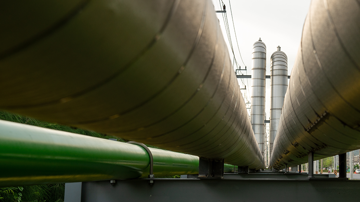
The government has significantly increased its defense spending, with the aim of meeting NATO's target of allocating five percent of GDP to defense annually. On the opposition front, Conservative Leader Pierre Poilievre has proposed a motion urging the government to set a target of one million barrels of diesel production per day to address soaring fuel prices. In a video released on Sunday, he suggested that this could be achieved through emergency permits and tax relief for refining, storage, and transportation.
Poilievre's motion also advocates for extending the fuel excise tax exemption until at least July 1, 2027, and the creation of a strategic energy reserve to ensure adequate stockpiles during potential shortages. He pointed out that Canada currently lacks such a reserve, despite being the only G7 nation without one, while possessing substantial oil resources. The International Energy Agency mandates that member countries maintain a 90-day supply of their net fuel imports, a requirement from which Canada is exempt due to its status as a net fuel exporter.
This legislative activity comes against the backdrop of soaring diesel prices, which recently approached record highs, averaging around $2.60 per litre across Canada. The current pause on the fuel excise tax, which was recently extended until January 31, 2027, will see the tax gradually reinstated to its full rate by April 1, 2027. Parliamentarians are scheduled to remain in Ottawa until Friday, after which they will return to their constituencies for a break coinciding with Thanksgiving.
🏷️
construction legislation
Canadian Labour Congress
labour rights
diesel production
First Nations
CUPE
national security
Bill C-39
defence procurement
fuel excise tax
← Previous Post
Alberta Invests $38.5 Million in Beaumont's Safety Campus Infrastructure2 weeks ago