Paul Raff Studio and Kengo Kuma Selected to Design Banff Visitor Centre
📅 5 months ago
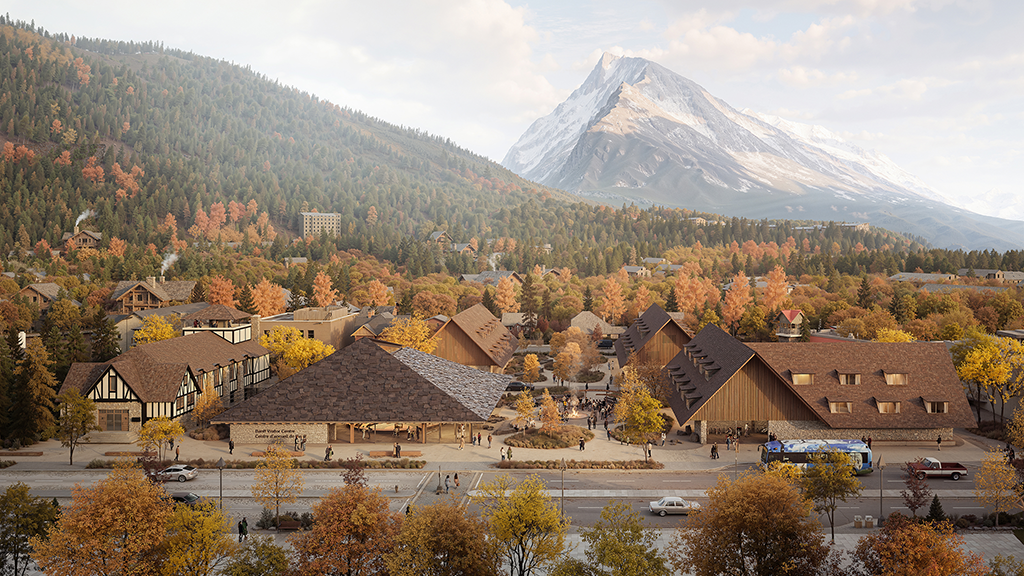
Toronto-based Paul Raff Studio and Japan's Kengo Kuma & Associates have won the design competition for a new visitor centre in Banff, focusing on sustainability and community engagement.
Toronto's Paul Raff Studio Inc., in collaboration with Japanese architects Kengo Kuma & Associates, has emerged victorious in a highly competitive international selection process for the design of a new visitor centre and community space in Banff. The announcement, made by Parks Canada, culminated a year-long journey that began with 44 submissions and narrowed down to six interdisciplinary teams of esteemed architects, landscape architects, engineers, and Indigenous knowledge specialists.The winning design encompasses multiple buildings and outdoor areas across approximately three acres, centering around a pavilion that features a timber structure topped with a pitched roof adorned with local rough shale stone. This pavilion is designed with two prominent clerestory windows; one serves a passive solar function while the other frames a breathtaking view of Mt. Rundle, a pivotal element in the design according to Paul Raff, the studio's founding principal.
While the project will restore the historic exterior of the existing information centre, originally the Banff School Auditorium built in 1940, it will also involve raising the pitched roof by about two meters at the rear. This alteration will create a belvedere lookout offering a comprehensive 360-degree view of the Bow Valley and the surrounding Canadian Rockies. Raff describes the pavilion as a “special little destination place for visitors to Banff.”
The project will also enhance civic space along Banff Avenue, situated between the new pavilion and a small residential building. Raff emphasized the importance of community engagement throughout the design process, noting that input from local stakeholders, Indigenous groups, and even international visitors has been invaluable in shaping the centre.
According to a press release from Parks Canada, the jury for the competition commended the winning proposal for its sustainable design approach and its strong connection to nature. It also highlighted the emphasis on conservation, heritage, and Indigenous perspectives. Raff noted that environmental sustainability has been a core value of his firm for many years and will play a significant role in this project, aiming to create a design that endures for generations.
Although the design workload has been substantial, Raff expressed pride and privilege in contributing to this landmark project, which he believes embodies the best values of the area and showcases them on a global platform. He chose to partner with Kengo Kuma, recognizing the firm’s international reputation and their philosophy of integrating nature and harmony into their designs.
Looking ahead, the design team plans to meet with Parks Canada to gather further feedback from user groups before moving on to the municipal and building permit approval process. Construction is expected to begin in approximately three to four years, though final costs for the redevelopment have yet to be determined. In 2022, the federal government allocated $8 million to initiate public engagement and planning for the visitor centre, which is anticipated to draw around one million visitors each year. Raff expressed optimism that the centre could rank among the top 10 most visited tourist destinations in Canada.
🏷️
sustainability
environmental design
Indigenous perspectives
tourism
community space
Banff
architecture
Paul Raff Studio
Kengo Kuma
visitor centre
← Previous Post
Revamping the Blue Water Bridge: A Major Overhaul for Enhanced Traffic Management5 months ago
Next Article →
Canada's Trade Diversification Efforts Strengthen Ties with U.S., Says Prime Minister Carney5 months ago