Quebec and Newfoundland and Labrador Forge Energy Sharing Agreement
📅 2 months ago
A non-binding agreement between Hydro utilities in Quebec and Newfoundland and Labrador aims to share energy from Labrador, potentially transforming the regional energy landscape.
In a significant development for energy collaboration, Hydro-Québec and Newfoundland and Labrador Hydro have announced a non-binding agreement to share energy resources from Labrador, bolstered by support from the federal government. The agreement was revealed on Monday in St. John’s, with notable attendance from Prime Minister Mark Carney and the premiers of both provinces, marking a pivotal moment in the long-standing discussions between the two regions.The proposed deal outlines ambitious plans for both utilities to allocate power generated from the Churchill Falls generating station while also initiating new hydroelectric, wind, and transmission projects estimated to exceed $50 billion. If the agreement is finalized, it would fulfill Newfoundland and Labrador's long-desired goal of transmitting up to 985 megawatts of power from Labrador through Quebec to U.S. markets. Negotiators are aiming to finalize the deal by the end of this year, although the timeline could be affected by Quebec Premier Christine Fréchette's obligation to call a provincial election by October 5, which introduces uncertainty regarding the negotiations.
Newfoundland and Labrador Premier Tony Wakeham expressed optimism about the agreement, emphasizing its potential benefits. “I think this is a win-win-win situation,” Wakeham stated, highlighting the collaborative nature of the deal. The utilities are eyeing an impressive 14,000 megawatts of new and existing hydroelectric projects along the Churchill River, with Newfoundland and Labrador keen on capitalizing on the river's hydroelectric capacity to generate revenue, while Quebec seeks a dependable power source for the future.
Following years of negotiations, a framework agreement was established in 2024. However, Premier Wakeham, elected last year, sought to renegotiate the terms for greater power rights and transmission benefits. His election campaign had previously included a promise for a public referendum on any finalized agreements, a stance he has since retracted, stating that immediate action was necessary. “The time was now. There was an opportunity right now,” he explained, acknowledging potential disappointment among residents who had hoped for a referendum.
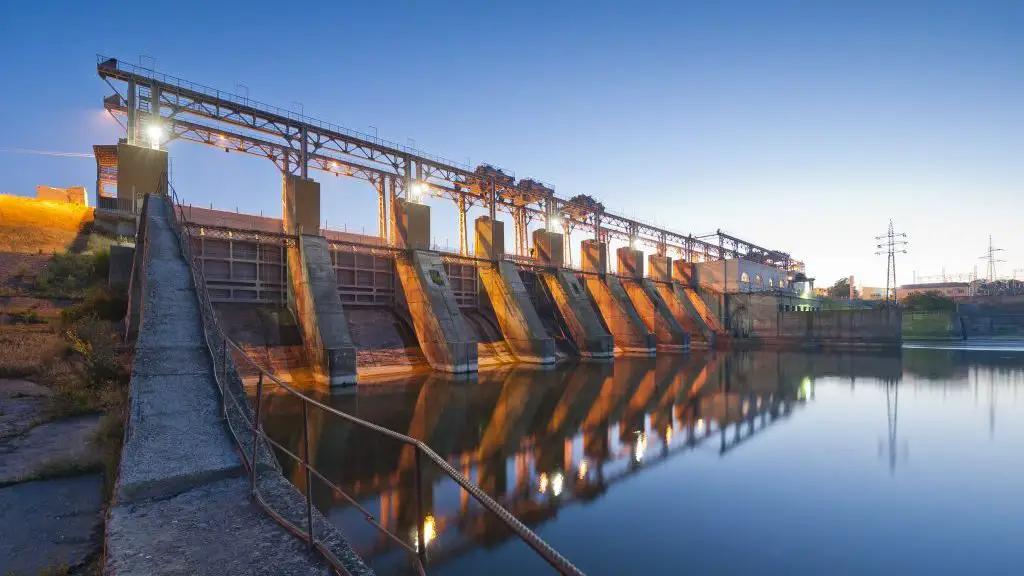
The agreement proposes the development of a new 2,700-megawatt generating station at Gull Island, along with upgrades to the existing 5,428-megawatt facility at Churchill Falls. Additional plans include constructing transmission lines and conducting a feasibility study for a second powerhouse at Churchill Falls. Notably, the federal government has committed $10 billion in funding for several proposed projects, which encompass transmission lines and the Gull Island development.
As part of the agreement, Hydro-Québec will also be required to pay a higher rate for power sourced from the Churchill Falls facility, starting at 1.8 cents per kilowatt-hour in 2027. This cost is expected to rise incrementally, reaching an average effective price of 7.4 cents per kilowatt-hour over the next half-century. In contrast, the previous draft agreement set the average effective price at 5.9 cents per kilowatt-hour. Currently, Hydro-Québec pays just 0.2 cents per kilowatt-hour under a 1969 contract, which is set to expire in 2041. Many in Newfoundland and Labrador have long viewed this arrangement as inequitable, and the new tentative agreement could signal a resolution to decades of strained relations between the two provinces.
🏷️
energy agreement
Quebec
Gull Island
Newfoundland and Labrador
federal funding
renewable energy
hydroelectric power
Infrastructure
power transmission
Churchill Falls
← Previous Post
Stantec and Net Zero Atlantic Launch New Geospatial Data Platform for Offshore Wind Development in Atlantic Canada2 months ago