Unlocking Potential: How Religious Landowners Can Alleviate Canada’s Affordable Housing Crisis
📅 3 months ago
A faith-based non-profit, Relèven, is collaborating with churches across Canada to explore opportunities for reusing underutilized land for affordable housing, aiming to address the pressing housing shortage.
In Canada, religious organizations rank as the second largest landowners, trailing only the government. Despite holding extensive tracts of land, much of it remains underutilized, presenting a unique opportunity for addressing the urgent need for affordable housing. Relèven, a faith-based non-profit organization, has taken the initiative to collaborate with churches and other stakeholders to identify potential reuse opportunities that could benefit both congregations and their surrounding communities.Mike Wood Daly, the director of research at Relèven, highlights that if churches could mobilize even 20 percent of the over 30,000 acres they collectively own, it would significantly contribute to alleviating the affordable housing crisis in Canada. However, he notes that both developers and congregations require clear guidance on the steps necessary to initiate such projects. Municipalities play a crucial role in this process, as they need to recognize church properties as viable sources for affordable housing development.
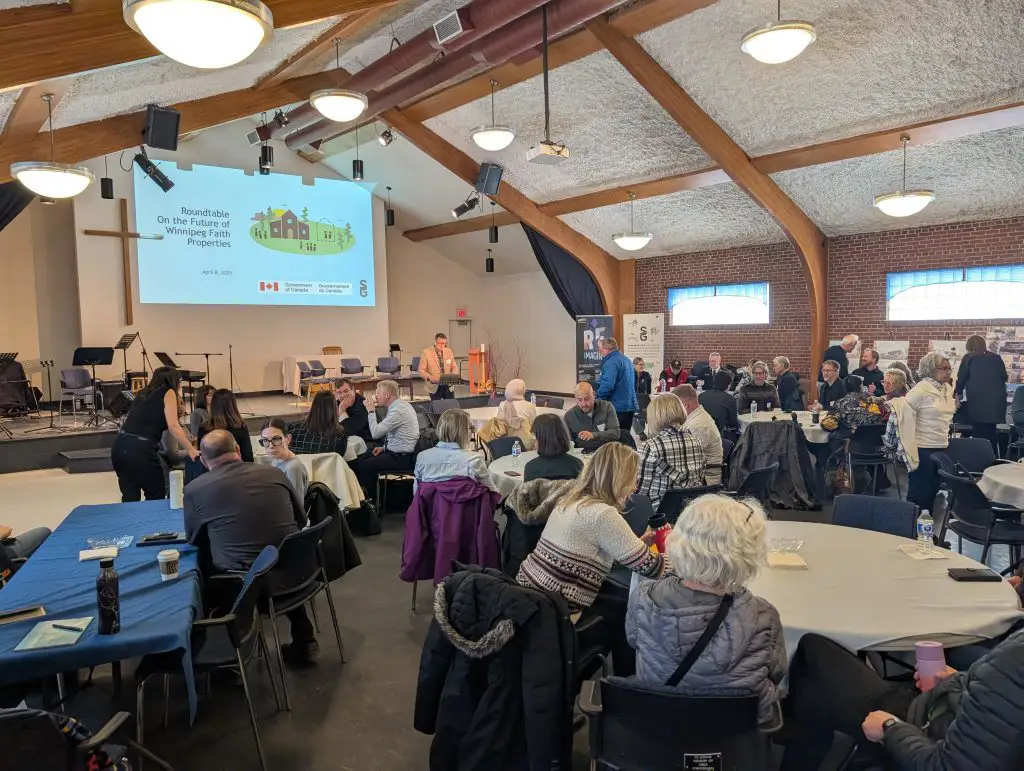
To facilitate discussions on this topic, Relèven has organized a series of roundtables in Winnipeg aimed at exploring redevelopment opportunities across Canada. These gatherings have brought together church congregations, city officials, urban planners, architects, funding organizations, and other relevant stakeholders. Daly points to St. Mary’s Road United Church in Winnipeg as a pioneering example in this movement, currently in the final stages of pre-development for a project that will include affordable housing, a shared worship space, and additional community facilities.
This project aims to allocate approximately 30 percent of its units for affordable housing, allowing the church to generate revenue while maintaining a sustainable development model. The partnership typically involves the congregation contributing the land's value, while a developer manages the construction costs, with both parties recouping their investments over time through rental income from the housing units.
One of the preliminary hurdles churches face is securing funding for the initial stages of development. Relèven’s roundtable discussions across various Canadian cities have helped municipalities better understand the financial challenges churches encounter and how even modest financial incentives can catalyze development initiatives. For instance, in Edmonton, a partnership between the city and a community foundation has emerged, offering up to $135,000 to churches for early-stage feasibility studies, which will cover essential geotechnical and traffic studies as well as fulfill other municipal requirements.
Daly emphasizes the importance of this initiative, especially in Edmonton, which is experiencing rapid growth and significant housing challenges, making it imperative for local authorities to take church redevelopment seriously. Similarly, the City of Winnipeg has introduced financial incentives to support pre-development efforts, while Vancouver is exploring zoning changes to expedite church development plans.
For church administrators seeking guidance, Relèven has created a comprehensive online course detailing the redevelopment process. As with many private development projects, the timeline for church property redevelopment can span five to ten years from initial conception to final completion. However, Daly believes this should not deter congregations from pursuing these opportunities, viewing the repurposing of church properties as a vital step toward addressing the affordable housing crisis and ensuring the long-term viability of churches.
"Organizations like ours assist congregations in navigating the initial stages to understand how housing development aligns with their mission and purpose. It constitutes a significant stride forward," Daly asserts. In addition to its focus on affordable housing, Relèven, which was established in Montreal in 2018, also champions the preservation of church heritage and the modernization of their use, emphasizing sustainable revenue models and fostering partnerships with investors and municipalities.
🏷️
Winnipeg
Affordable housing
sustainable development
municipal incentives
church redevelopment
community development
Urban planning
land use
Relèven
Edmonton
← Previous Post
H&R Real Estate Investment Trust to Be Acquired by GO Residential REIT in $6.7 Billion Deal3 months ago