Toronto Reports on the Impact of FIFA World Cup 2026 Events
📅 3 months ago
🏷️ City of Toronto Municipality
The City of Toronto shares insights on the impact of hosting FIFA World Cup 2026 matches and related events, highlighting tourism, economic benefits, and emergency services coordination.
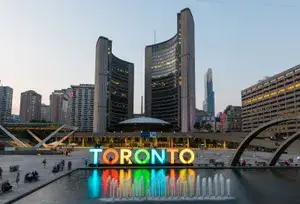
On July 20, 2026, the City of Toronto released a comprehensive report detailing the early impacts of hosting six FIFA World Cup 2026™ matches and the FIFA Fan Festival™ Toronto. This event spanned 23 days and attracted significant attention and participation from both local and international visitors.During the tournament, approximately 250,000 fans flocked to the Toronto Stadium to attend the six matches. Concurrently, the FIFA Fan Festival™, which was held at Nathan Phillips Square, drew in more than 350,000 attendees over its duration. The festival featured a vibrant lineup of 86 performers, including 80 Canadian artists, with 75 of them hailing from the local area, alongside 19 cultural acts, enriching the festival's atmosphere.
The match broadcasts at Nathan Phillips Square also saw considerable turnout, with around 60,600 viewers watching live broadcasts of the matches, excluding the final. The preliminary findings from Destination Toronto and Destination Ontario indicated that a remarkable nine out of ten surveyed visitors expressed a strong desire to return to Toronto for leisure travel within the next two years.
Economic insights revealed that during the six-game period, out-of-town visitors contributed significantly to local spending. The data indicated that 37% of spending was attributed to international visitors, while 15% came from the United States. Additionally, 27% of the spending was from Ontario visitors outside Toronto, and 21% was from the rest of Canada. Local businesses also benefited, with four authorized to sell official FIFA merchandise through the FIFA Local Licensee Program.
Transportation patterns in the vicinity of Toronto Stadium showed a marked increase in pedestrian activity, with numbers rising between 70% to 160% above baseline levels during the tournament. Cycling also saw a boost, with activity levels ranging from 25% to 140% above normal. Interestingly, motor vehicle volumes on the Gardiner Expressway decreased by 10% to 30%, suggesting a shift in transportation preferences during the event.
Bike Share Toronto reported an impressive 2,000 rides per match using valet services at various stadium locations, and on non-match days, the service averaged 200 rides per day. In June 2026 alone, Bike Share Toronto recorded 1,173,315 rides, marking an increase from the previous year.
The Toronto Police Service undertook the longest deployment in its history, maintaining six weeks of continuous operations throughout the tournament. They responded to 27,145 emergency calls and successfully monitored 17 fan and supporter marches, with the largest gathering for Portugal attracting over 18,000 supporters. Meanwhile, Toronto Paramedic Services responded to approximately 550 medical requests across various event sites, aided by on-site clinics staffed by medical professionals.
Toronto Fire Services handled 1,835 incidents during the World Cup events, which included fire suppression and medical emergencies. They also provided essential support to the FIFA Fan Festival™ with misting fans to combat heat.
In terms of legacy, the City has embedded long-term benefits into its hosting plan. This includes workforce development initiatives aimed at equity-deserving youth, environmental sustainability programs, and investments in local soccer. Notable legacies include mini-pitches in city parks, partnerships with local organizations, and the establishment of a new soccer hub at Centennial Park as part of the revitalization plan. The City also embraced sustainable practices, achieving a waste diversion rate of 65% and implementing measures to reduce single-use plastics at festival events.
In summary, the City of Toronto's hosting of the FIFA World Cup 2026™ not only brought immediate tourist and economic benefits but also set the stage for lasting community and environmental impacts, showcasing the city's commitment to inclusivity and sustainability.
🏷️
FIFA World Cup
sports events
Infrastructure
emergency services
Toronto
economic impact
community development
Urban planning
sustainability
public health
← Previous Post
Toronto Confirms First Mosquitoes Testing Positive for West Nile Virus in 20263 months ago
Next Article →
Closure of Ekati Diamond Mine Marks a Shift in Northwest Territories Economy3 months ago