Toronto's Housing Development Office Releases First Annual Report, Highlights Shift to Active Housing Development
📅 5 months ago
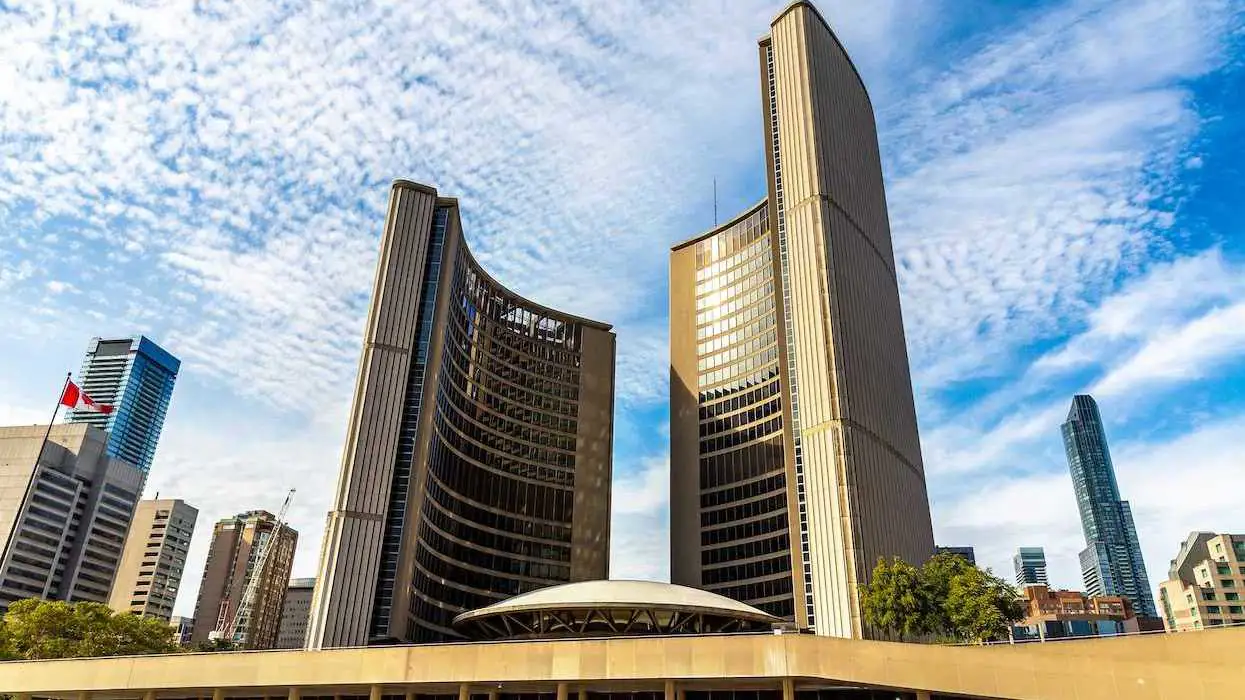
Toronto's Housing Development Office has released its inaugural annual report, outlining the city's strategic shift towards becoming an active player in housing development, detailing its projects, funding needs, and a crackdown on stalled initiatives.
The inaugural annual report from Toronto's Housing Development Office (HDO) has been presented to City Council, providing a comprehensive overview of the municipality's evolving role in housing development. Established in 2025, the HDO aims to consolidate all public development efforts within the city, integrating activities from CreateTO, the Toronto Community Housing Corporation (TCHC), the City’s Corporate Real Estate Management (CREM), and various non-profit, Indigenous, and private housing partners. The 24-page document delineates a housing strategy focused on actionable outcomes, emphasizing fast-tracked projects, the strategic use of public land, and a potential reconsideration of incentives for developers whose projects have stalled.The report marks a significant step in Toronto’s commitment to affordable housing, revealing the financial challenges associated with delivering such projects. It highlights that many major initiatives now depend on substantial public funding, including hundreds of millions in subsidies, waived fees, and contributions of land.
Mayor Olivia Chow's proposal for a public developer model in 2023 faced skepticism, but the HDO's findings indicate a shift in the city’s approach. Toronto is transitioning from merely regulating housing to actively engaging as a developer, land manager, and project coordinator. The HDO currently oversees a portfolio of 83 development sites, with its Three-Year Work Plan detailing the status of each project. According to the report, 13 projects are currently under construction, nine are scheduled to commence in 2026, ten are expected to begin in 2027, and 51 projects are anticipated to start construction in or after 2028. The plan includes specific information on the projected occupancy and the number of new rental, affordable, or rent-geared-to-income units expected from each project.
A notable aspect of the report is the City’s assessment of stalled projects. City staff reviewed 74 affordable housing projects that had received incentives through the Open Door Affordable Housing Program and the Rental Housing Supply Program, seeking updated financial information and architectural plans. Out of these, only 54 projects responded. The review indicated that six projects are over a year away from construction or have been abandoned, while 20 projects remain uncertain due to lack of responses. Consequently, these 26 projects are at risk of losing their previously granted incentives. In contrast, the report allocates $34.6 million in capital funding to advance projects scheduled to begin construction within the next year. This strategy reflects a more results-driven approach to affordable housing, as the city is increasingly unwilling to allow subsidies to remain tied up in projects that are not progressing.
Additionally, the report sheds light on the financial dynamics of affordable housing projects in Toronto, indicating a growing reliance on public subsidies due to rising construction costs. The city has secured $21.6 million from Build Canada Homes (BCH) for the Dunn House Phase 2 project and is actively pursuing an additional $557.5 million in capital funding for other projects. This funding is aimed at delivering approximately 4,000 rental homes within the next 12 to 18 months and is expected to be supplemented by municipal funding, waived fees, and tax exemptions. The BCH submission estimates that nearly $625.3 million will be related to waived fees and development charges, alongside $245 million concerning land value contributions and lost revenue from public land. Collectively, this amounts to almost $900 million in municipal support for affordable housing initiatives, alongside the requested federal funding.
🏷️
Affordable housing
public funding
Toronto
subsidies
land management
municipal initiatives
housing development
Construction
housing strategy
development projects
← Previous Post
Massive Fire at Penticton Long-Term Care Home Under Construction Triggers Evacuations5 months ago
Next Article →
Canada's Trade Diversification Efforts Yield Mixed Results, Report Reveals5 months ago