Toronto's Western Beaches Plan Aims for Climate Resilience and Enhanced Visitor Experience
📅 2 weeks ago
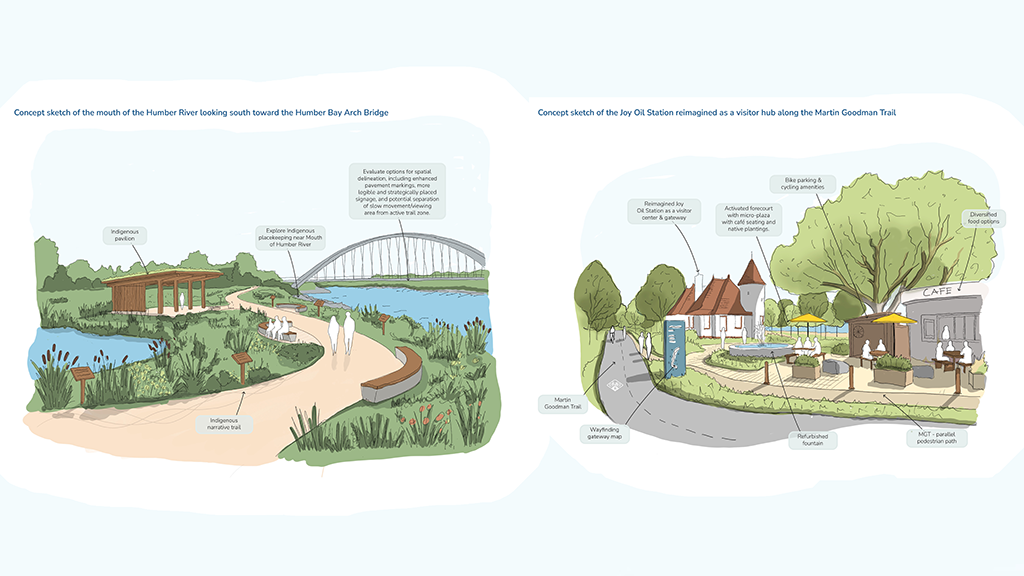
DIALOG unveils a comprehensive plan to revitalize Toronto's Western Beaches, addressing climate change and visitor surge while prioritizing ecological sensitivity and cultural recognition.
The Toronto Western Beaches, a four-kilometre stretch at the mouth of the Humber River, is undergoing a significant transformation prompted by climate change and the impact of the COVID-19 pandemic. Despite its popularity, the area has been criticized for its disjointed collection of parks, beaches, and facilities, which are not equipped to handle rising lake levels or increased visitor numbers. Dorsa Jalalian, project manager with DIALOG, emphasized the need for a cohesive approach in creating the Western Beaches Public Realm Plan, an update to the city’s 17-year-old masterplan for this area.The project aims to enhance the waterfront experience while maintaining an ecologically and culturally sensitive approach. Jalalian, along with a dedicated team of urban designers and landscape architects from DIALOG, spent a year collaborating with the city to develop this plan. The strategy, which has been approved by the city, is designed with a 20-year buildout horizon in mind, addressing critical issues such as climate change, aging infrastructure, and the growing number of visitors.
The plan advocates for a phased implementation strategy, prioritizing the restoration of ecological systems at the Humber River mouth to improve climate resilience. Among the innovative initiatives being discussed are pilot projects for small floating wetlands to enhance the area’s ecological health. Other immediate priorities include establishing meadows or “no mow” areas, implementing water retention and filtration systems, and enhancing recreational water activities.
In addition to these initiatives, DIALOG recommends urgent repairs and remediation for existing breakwaters, suggesting that some of these structures could evolve into multi-purpose green infrastructure over time. However, Jalalian noted that several projects outlined in the city’s 2009 masterplan remain incomplete and unfunded, such as the proposed realignment of Lake Shore Boulevard West.
The plan also includes feasibility studies for significant heritage structures along the shoreline, like the Joy Oil Gas Station from the 1930s and the Sunnyside Bathing Pavilion, built in 1922. These studies will explore potential new uses for these sites, including a visitors’ centre at the gas station and expanded programming at the pavilion.
Access to the waterfront, currently hindered by the Gardiner Expressway and Lake Shore Boulevard, is another focus of the plan. Short-term improvements are being discussed, such as enhancing underpass access points and collaborating with the Toronto Transit Commission (TTC) to increase public transit options. Additionally, efforts are underway to create a continuous connection along the fragmented boardwalk.
The year-long study engaged with over 4,000 community members through public consultations, highlighting the importance of Indigenous communities in the planning process. Feedback indicated a desire for naturalization and resilience, while also expressing a preference for minimal major changes in the area. The adoption of the City of Toronto’s Reconciliation Action Plan has further emphasized the need for Indigenous placekeeping and cultural recognition in future developments.
For DIALOG, the extensive study has posed both challenges and opportunities, compelling the team to examine the waterfront from a broader perspective. Jalalian reflected on the project, noting the meaningfulness of establishing a vision that accounts for long-term uncertainties such as climate change. Overall, the Western Beaches Public Realm Plan represents a commitment to enhancing the area’s ecological integrity and visitor experience while respecting its cultural significance.
🏷️
Western Beaches
landscape architecture
urban design
sustainability
public realm plan
community engagement
Humber River
Toronto
climate resilience
Indigenous communities
Next Article →
GHD Selected for Major Upgrades at Burlington's Skyway Wastewater Treatment Plant2 weeks ago