
Trade Negotiations Between Canada and U.S. Likely to Continue Beyond Midterms
📅 4 months ago
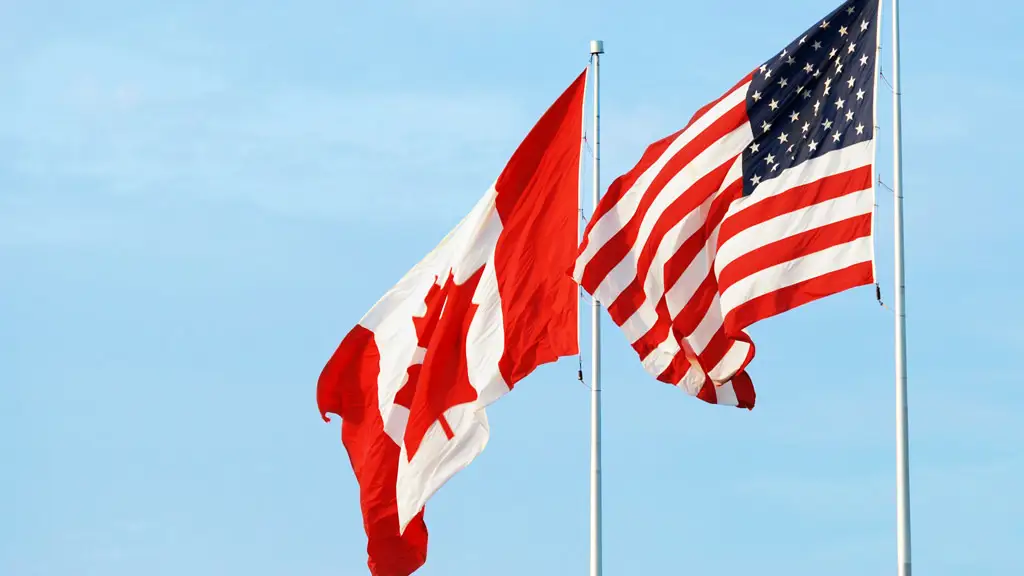
OTTAWA — Canada’s former chief trade negotiator, Steve Verheul, expressed his belief that a tariff agreement between Ottawa and Washington is unlikely to materialize before the U.S. midterm elections. During a discussion aimed at business leaders, Verheul highlighted a potential window for a political agreement as U.S. President Donald Trump seeks a success to present to American voters ahead of the fall elections. However, he suggested that it would be more probable for negotiations to extend beyond the midterms and possibly into the following year.
Verheul, who previously led Canada’s negotiations during the overhaul of the North American Free Trade Agreement (NAFTA) in Trump’s first term, currently serves as the principal at the public affairs firm GT & Co. His comments were made at an event for the Bank of Montreal (BMO) clients, focusing on the trade landscape as the review period for the Canada-U.S.-Mexico Agreement (CUSMA) officially commenced on July 1.
Both Canada and Mexico have indicated their desire for a 16-year renewal of CUSMA; nevertheless, the United States may opt for annual reviews instead. Trump possesses the authority to terminate the agreement with a six-month notice, which adds a layer of uncertainty to the ongoing discussions. Prime Minister Mark Carney recently noted the U.S. president's lack of enthusiasm for CUSMA but emphasized that Canada is advocating for collaboration with the Trump administration in specific sectors.
BMO’s chief economist, Doug Porter, expressed skepticism regarding the likelihood of the U.S. abandoning the trade agreement altogether. Despite acknowledging the stagnation in economic growth attributed to U.S. tariffs adversely affecting Canadian exports, Porter does not classify Canada as being in a recession. His economic forecast suggests that growth will remain sluggish until 2026, with a projected recovery in 2027, assuming the U.S. maintains its current tariff policies.
Although Trump has hinted at the possibility of withdrawing from CUSMA, Verheul pointed out the considerable support for the agreement among the U.S. populace, businesses, and lawmakers, which underscores its significance. He noted that CUSMA continues to protect most Canadian exports from U.S. tariffs, indicating that the U.S. recognizes its value.
Verheul stressed the importance of addressing the steep tariffs imposed by the U.S. on Canadian steel, aluminum, automobiles, and other products, which are hindering manufacturing sectors in both countries. He anticipates a gradual easing of these tariff pressures but foresees ongoing uncertainty in the interim. “We may see some adjustments over time, but the path to that resolution may be rocky,” he said.
Verheul commented on the current state of negotiations, asserting that Canada has yet to see any favorable deal on the table. He expressed skepticism regarding the durability of tariff agreements reached by other nations with Trump, suggesting that they may not endure over time due to their lack of solid foundations.
Both Verheul and Porter remarked that, following a year of Trump’s protectionist tariff policies, the U.S. stands as the only nation heavily reliant on protectionism, while countries like Canada are diversifying their trade partnerships to lessen dependency on the American market. This shift presents new opportunities for various nations, particularly China, which is making notable strides in global trade, while the U.S. appears to be lagging behind.
Verheul, who previously led Canada’s negotiations during the overhaul of the North American Free Trade Agreement (NAFTA) in Trump’s first term, currently serves as the principal at the public affairs firm GT & Co. His comments were made at an event for the Bank of Montreal (BMO) clients, focusing on the trade landscape as the review period for the Canada-U.S.-Mexico Agreement (CUSMA) officially commenced on July 1.
Both Canada and Mexico have indicated their desire for a 16-year renewal of CUSMA; nevertheless, the United States may opt for annual reviews instead. Trump possesses the authority to terminate the agreement with a six-month notice, which adds a layer of uncertainty to the ongoing discussions. Prime Minister Mark Carney recently noted the U.S. president's lack of enthusiasm for CUSMA but emphasized that Canada is advocating for collaboration with the Trump administration in specific sectors.
BMO’s chief economist, Doug Porter, expressed skepticism regarding the likelihood of the U.S. abandoning the trade agreement altogether. Despite acknowledging the stagnation in economic growth attributed to U.S. tariffs adversely affecting Canadian exports, Porter does not classify Canada as being in a recession. His economic forecast suggests that growth will remain sluggish until 2026, with a projected recovery in 2027, assuming the U.S. maintains its current tariff policies.
Although Trump has hinted at the possibility of withdrawing from CUSMA, Verheul pointed out the considerable support for the agreement among the U.S. populace, businesses, and lawmakers, which underscores its significance. He noted that CUSMA continues to protect most Canadian exports from U.S. tariffs, indicating that the U.S. recognizes its value.
Verheul stressed the importance of addressing the steep tariffs imposed by the U.S. on Canadian steel, aluminum, automobiles, and other products, which are hindering manufacturing sectors in both countries. He anticipates a gradual easing of these tariff pressures but foresees ongoing uncertainty in the interim. “We may see some adjustments over time, but the path to that resolution may be rocky,” he said.
Verheul commented on the current state of negotiations, asserting that Canada has yet to see any favorable deal on the table. He expressed skepticism regarding the durability of tariff agreements reached by other nations with Trump, suggesting that they may not endure over time due to their lack of solid foundations.
Both Verheul and Porter remarked that, following a year of Trump’s protectionist tariff policies, the U.S. stands as the only nation heavily reliant on protectionism, while countries like Canada are diversifying their trade partnerships to lessen dependency on the American market. This shift presents new opportunities for various nations, particularly China, which is making notable strides in global trade, while the U.S. appears to be lagging behind.
🏷️
steel
manufacturing
aluminum
trade negotiations
Canada
tariffs
economy
CUSMA
United States
trade agreements
← Previous Post
Trump's Redevelopment Plans for East Potomac Golf Links Spark Controversy4 months ago
Next Article →
Aecon Secures $1.7 Billion Contract for Greenlight Electricity Centre Project in Alberta4 months ago