
Understanding Concrete Curing: The Key to Efficient Construction
📅 4 months ago
🏷️ Giatec Scientific Inc.
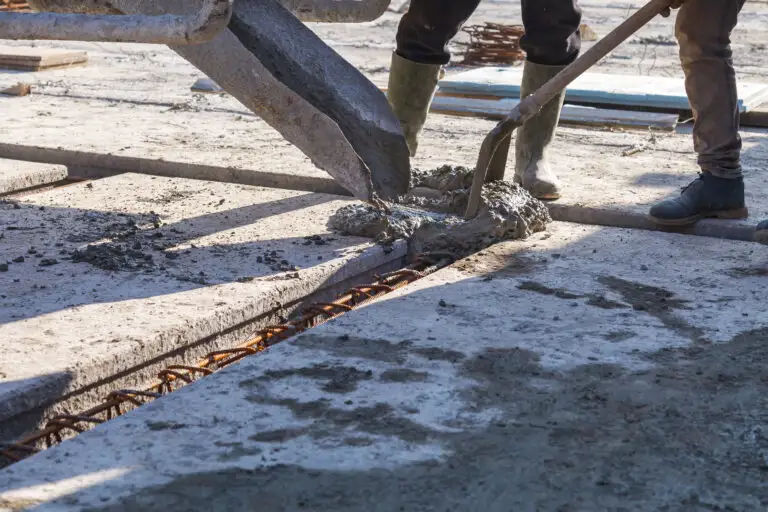
This article explores the importance of concrete curing in construction, highlighting the implications of misunderstanding the process and how SmartRock technology can optimize concrete strength monitoring.
Concrete does not dry; it cures, a distinction that is crucial yet often overlooked on construction sites. Misunderstanding this process leads to costly delays, structural risks, and unnecessary rework in concrete construction. Across the industry, rework accounts for approximately 5% of total project costs on average, with concrete that fails to meet its strength specifications being a significant contributor to this issue.Concrete’s design strength, denoted as f’c, is typically evaluated at 28 days. However, this is merely a benchmark age rather than a definitive standard. While high-early mixes can achieve their design strength sooner, slower mixes may take longer to reach the same milestones. Generally, concrete begins to gain measurable strength within 24 to 48 hours, reaching about 70% of its specified strength by the end of the first week. The actual curing time can vary significantly depending on temperature, mix design, and moisture availability.
To address these complexities, SmartRock sensors utilize the maturity method (ASTM C1074), providing continuous estimates of in-place strength from the moment of the pour. This technology enables project teams to monitor curing performance in real time, minimizing dependence on traditional lab results and cylinder break tests. For teams frequently adjusting mix designs, SmartRock Pro incorporates self-calibrating CEMMA technology, eliminating the need for manual sensor calibration.
Curing time is primarily influenced by hydration, a chemical reaction between cement and water that facilitates the hardening and strengthening of concrete. Several factors impact the rate of this process, such as temperature, mix design, element size, and moisture availability. For instance, concrete typically reaches sufficient strength for foot traffic within 24 to 48 hours, while the American Concrete Institute (ACI) recommends a minimum curing duration of seven days under specified temperature conditions.
The conventional approach to verifying concrete strength has long relied on cylinder break tests, where samples are cast at the time of the pour and tested at 7 and 28 days. However, this method has notable shortcomings. Laboratory conditions do not replicate the actual field environment, resulting in discrepancies between lab results and in-place performance. Additionally, the timing of these results often leads to delayed decision-making, potentially costing valuable time on large projects.
Specific failure modes associated with cylinder break tests can cause significant delays and risks on construction sites. For instance, laboratory-cured cylinders are tested at a controlled temperature of 73°F (23°C), while in-place concrete may experience temperature fluctuations, affecting its strength gain. Moreover, the results from these tests often arrive too late to influence critical decisions, resulting in unnecessary wait times or premature actions without proper verification.
To mitigate reliance on cylinder break tests, the concrete maturity method, recognized by various standards, provides a more accurate assessment of in-place strength based on the cumulative time-temperature history of the concrete during curing. While this method requires calibration to establish the maturity-strength relationship for a specific mix, SmartRock technology simplifies this process. By using temperature data collected by sensors embedded in the concrete, SmartRock can continuously estimate in-place strength without the need for manual calibration.
SmartRock Pro further enhances this capability by measuring strength directly from the concrete's evolving microstructure, allowing for real-time monitoring that reflects the actual mix in place. This innovation helps contractors avoid potential pitfalls associated with mix variability that could go unnoticed with traditional methods.
Cold weather can exacerbate the issues related to concrete curing, making real-time monitoring even more critical. For example, a cylinder cured at 73°F may perform significantly better than field-placed concrete exposed to lower temperatures. By capturing temperature fluctuations during the curing process, SmartRock provides valuable insights, enabling contractors to manage their projects more effectively and prevent costly delays.
In conclusion, understanding concrete curing is essential for maintaining project timelines and structural integrity. With the implementation of technologies like SmartRock, construction teams can transition from guesswork to informed decision-making, ensuring that concrete achieves the necessary strength before proceeding to subsequent phases of construction. This approach not only enhances efficiency but also minimizes the risk of rework and delays, ultimately leading to more successful project outcomes.
🏷️
project management
strength monitoring
construction technology
Concrete Curing
Cylinder Break Tests
real-time data
maturity method
Cold Weather Concrete
Construction Efficiency
SmartRock
← Previous Post
Canada's Commercial Real Estate Sector Shows Resilience Amid Shifting Demand4 months ago