Vancouver Elects First Green Mayor as Progressive Forces Gain Ground
📅 3 days ago
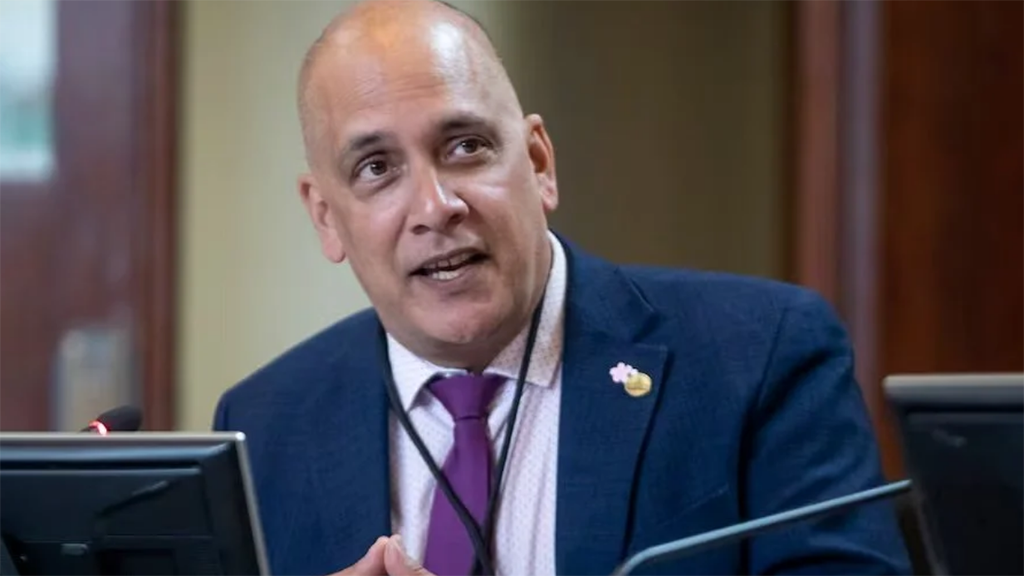
Pete Fry has been elected as Vancouver's first Green mayor, leading a progressive shift in city politics. His election signifies a major change as progressive parties dominate the council.
VANCOUVER — Hedy Fry, with over 30 years of experience as a Liberal member of Parliament, experienced a unique election night on Saturday as her son, Pete Fry, was elected as the city's new mayor. This occasion, she noted, was different, as it was marked not by her own candidacy but by her pride in her son's achievement. "He’s paid a lot of attention to city politics ever since he was very young. And so, he knows what he wants and he knows how to build bridges," she expressed in an interview the following day. "He knows how to work with disparate groups and he knows how to find common ground and that, I think, is going to be his strength. It’s going to be a tough job, but he’s a hard-working guy."Pete Fry’s election marks a significant milestone as he becomes the first Green mayor of Vancouver, following a remarkable turnout during the election where progressive candidates secured nearly all the available seats on the city council, the park board, and the school board. Having first entered the political arena as a councillor in 2018, Fry will now collaborate with fellow Greens and members from the Coalition of Progressive Electors (COPE), both of whom secured four seats out of ten. OneCity Vancouver also added a ninth seat to the left-leaning coalition. In stark contrast, the pro-business ABC Party saw a dramatic decline, with only one councillor elected and Ken Sim losing his position as mayor. This outcome is a sharp departure from 2022, when the ABC Party held seven council seats.
Hedy Fry emphasized her role as a supportive parent rather than a political influencer, stating, "I never get involved in provincial or municipal politics, so that I can work with whichever group comes to power. I was very proud of my son. He did this on his own steam without any help at all from me." She acknowledged the clear message from voters who sought change and reminded her son of the importance of not betraying the trust voters have placed in him. "I think that’s what it’s about, trying to do your best to help and to make things better," she said.
While no single party holds a majority on the new council, the progressive factions have already shown their capacity to collaborate, as evidenced by COPE’s Stephanie Allen and OneCity’s William Azaroff suspending their mayoral campaigns to bolster Fry’s chances. Hedy Fry remarked on her son’s ability to connect with others, attributing it to his upbringing in a household that encouraged forming opinions on various issues. "He’s always been the tallest boy in his class ever since he was in kindergarten, and they always called him the gentle giant because he always kind of tried to make peace and bridge gaps," she reflected, expressing confidence in his capability to navigate the challenges ahead.
Preliminary results indicate Fry won decisively, accumulating over 98,000 votes—approximately 31,000 votes more than Sim. Voter turnout reached 209,000, a 36% increase compared to the previous election cycle. The Green Party and COPE candidates dominated the Park Board, winning all seven commissioner positions, while Green, COPE, and OneCity candidates collectively secured all nine school trustee roles.
COPE’s Sean Orr, a socialist council incumbent embroiled in a defamation lawsuit against Sim, emerged as the top vote-getter on the council, receiving over 83,000 votes. He celebrated his victory by sharing a meme on social media featuring him with laser eyes, directed at Sim. Richard Johnston, a political science professor emeritus at the University of British Columbia, remarked on the provincial municipal elections, noting it was a tough year for incumbents. He also observed that those who managed to retain their seats tended to lean towards progressive ideologies.
Johnston articulated that this new council may exhibit a stronger alignment than previous ones, suggesting they will work effectively together. He described them as a "pretty pragmatic crowd," indicating that voters are increasingly focused on actionable results. "I have to believe that many of these, if not most, but I would hope most, even all, have absorbed the ethos that honestly, we should focus on the urban issues, in particular the issues that we think we can deliver directly," he noted, cautioning against distractions from broader ideological debates.
He suggested that the progressive council will need to navigate provincial interests, particularly regarding involuntary care for individuals with addiction and mental health challenges, while also making strides in housing initiatives. The inauguration for the newly elected officials is scheduled for November 2, just over a week after the provincial election on October 24. Johnston added that the effectiveness of Vancouver’s new progressive council could be influenced by the outcome of the provincial elections, positing that a Conservative government would not be supportive of the priorities set by a progressive municipal council. "It would mean that to the extent that any reasonable agenda does require support from senior governments, they’re unlikely to see it from a Conservative government," he concluded.
🏷️
public health
progressive politics
city council
voter turnout
Green Party
Pete Fry
municipal elections
Vancouver
housing
local governance
← Previous Post
Graham Selected as Construction Manager for North Surrey Interceptor Storage Tank Project3 days ago