Vancouver Fraser Port Authority Receives Federal Permits for Burrard Inlet Dredging
📅 4 months ago
The Vancouver Fraser Port Authority has obtained federal permits to commence dredging in Burrard Inlet, facilitating larger oil tankers from the Trans Mountain pipeline. The project aims to enhance shipping capacity while addressing environmental concerns.
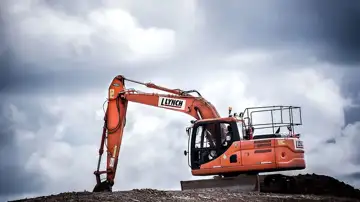
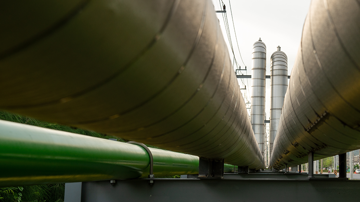
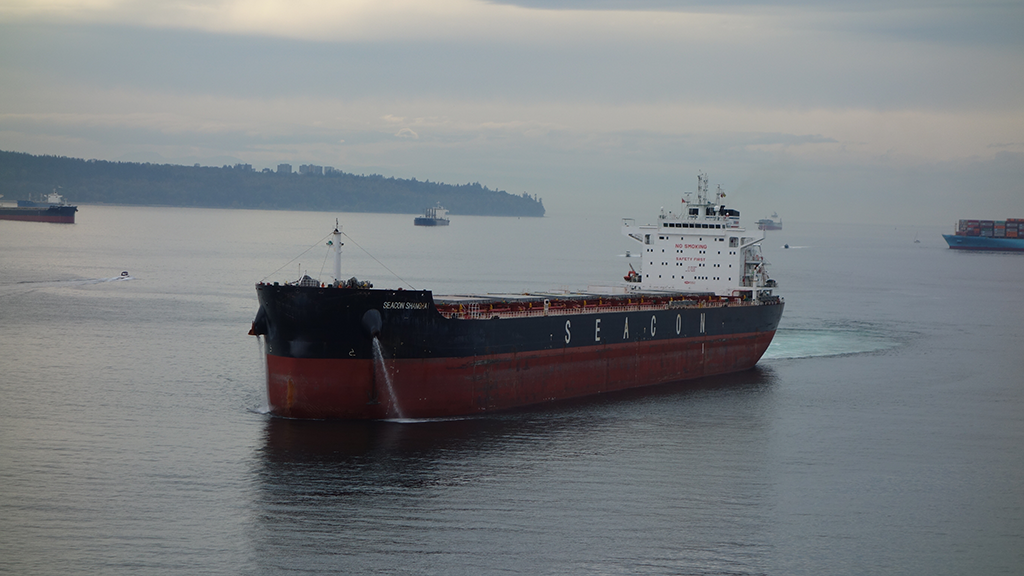
The Vancouver Fraser Port Authority has announced that it has secured all necessary federal permits to initiate dredging operations in Burrard Inlet, a move aimed at accommodating larger oil tankers loading from the Trans Mountain pipeline. The dredging work, which will take place along the northern and southern edges of the navigation channel beneath the Second Narrows Bridge in Vancouver, is set to commence in September. However, the authority has not disclosed an estimated duration for the project.This dredging initiative is crucial for allowing Aframax-class tankers, which can reach lengths of up to 250 meters and drafts of 16 meters, to load more fully at the Westridge Marine Terminal. Currently, these vessels typically operate at about 80% of their capacity to safely navigate the inlet.
The concept of dredging Burrard Inlet was initially proposed by Prime Minister Mark Carney in the spring of 2025. Nonetheless, the latest federal budget has not included specific allocations for the dredging project, aside from general commitments to improving access to international markets through investments in airport, railway, and port infrastructure.
The provincial government of British Columbia has expressed support for the dredging project. Energy Minister Adrian Dix noted last year that this federal initiative would enable a reduction in traffic at the port and enhance shipping efficiency by allowing vessels to load more fully.
The Vancouver Fraser Port Authority has clarified that the dredging will not alter the number or size of the largest vessels currently traversing beneath the Second Narrows Bridge, with Aframax-class tankers remaining the largest type allowed.
The timing of this dredging project comes approximately two years after the expanded Trans Mountain pipeline began operations in May 2024. Recent discussions have highlighted calls to further expand the pipeline to diversify energy exports, particularly amidst trade tensions with the United States.
Environmental considerations are paramount in this project, as the port authority emphasizes its commitment to conducting the dredging with environmental care and in collaboration with local communities and First Nations. The dredging project is bound by over 50 conditions designed to monitor and protect marine life, as well as to enhance kelp habitats. Specifically, work in the water will be limited to a low-risk window for fish and their habitats from mid-August to the end of February, as determined by the Fisheries Department.
However, environmental groups like the Sierra Club have voiced concerns, warning that the dredging beneath the Second Narrows Bridge could disrupt years of ecological recovery in the inlet. They caution that disturbing toxic sediments might negatively impact populations of eelgrass, herring, salmon, seals, and whales.
The port authority acknowledges that while there is a low risk of disturbing contaminated sediments during the dredging process, the contractor will be required to monitor turbidity levels to inform any necessary work pauses. According to agency documents, most dredging will occur to a depth of approximately 1.3 meters to a maximum of six meters below the sea floor, with an estimated removal of 25,000 cubic meters of material. This volume represents less than one percent of the material the port authority typically removes annually from the Fraser River as part of its maintenance dredging program. Additionally, the project includes the removal of segments of two decommissioned Metro Vancouver waterlines and the installation of navigation aids.
🏷️
marine life
Vancouver
Burrard Inlet
Construction
Aframax tankers
environmental impact
Trans Mountain pipeline
shipping capacity
Infrastructure
dredging
← Previous Post
Hazelview's Station House in Toronto Achieves Rainbow Registered Accreditation4 months ago
Next Article →
Public Comment Period Opens for Proposed LPG Facility on British Columbia’s North Coast4 months ago