Vancouver Implements Innovative Trenchless Technology for Sewer Upgrade at Memorial West Park
📅 2 months ago
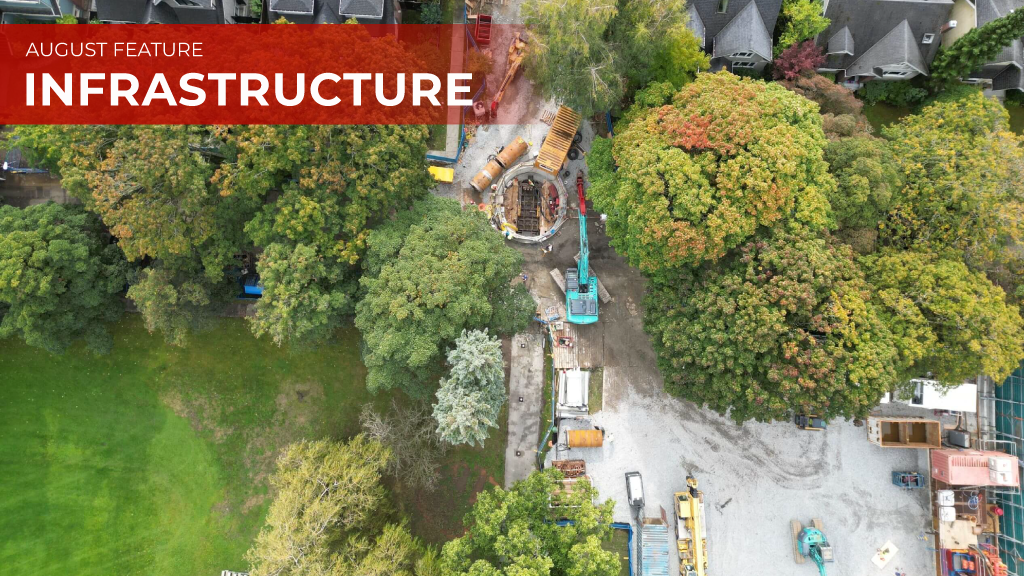
Vancouver has successfully utilized trenchless construction techniques to upgrade its sewer infrastructure at Memorial West Park, marking a significant advancement in urban construction practices.
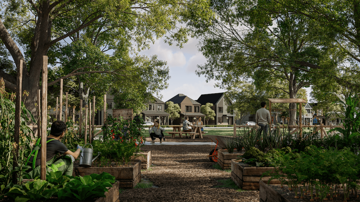
In a groundbreaking initiative for Vancouver, the city has successfully employed trenchless construction techniques to upgrade aging sewer infrastructure located beneath Memorial West Park, situated in the Dunbar neighborhood, known for its single-family residences. The Vancouver office of GHD Limited was instrumental in this project, managing detailed design, tender development, and providing ongoing contract administration and field support throughout the construction phase. During this process, GHD's team offered technical assistance and construction-phase support to tackle the unique challenges posed by working within a confined urban setting.The Memorial West Trenchless Sewer Upgrade, projected to commence in 2025 and conclude by spring 2026, focuses on replacing outdated combined sewer pipes with newly installed separated sewer mains in the Dunbar West sewer catchment area. This separation of combined sewer mains is significant as it diminishes the risk of combined sewer overflows, enhances the separated sewer network, and boosts the system's capacity to accommodate the city's expanding needs. This initiative is also a critical component of Vancouver's Healthy Waters Plan.
Approximately 90% of the combined sewer infrastructure surrounding Memorial West Park is over 90 years old. Given that the typical lifespan of an underground sewer main is around 100 years, the necessity for an upgrade has become apparent. The project has been recognized with a 2026 Award of Excellence from the Association of Consulting Engineering Companies British Columbia, specifically in the municipal and civil engineering category.
According to Mike Lam, the project director for GHD's integrated water management team in Western Canada, a combined sewer carries both sanitary sewage and stormwater runoff in a single pipeline. In contrast, a separated sewer system utilizes two distinct pipelines: one for sanitary sewage directed to treatment facilities and another for stormwater runoff.
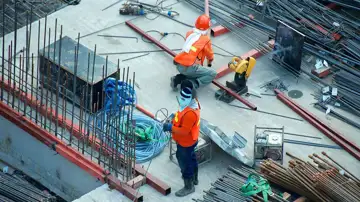
To accomplish this upgrade, GHD opted for a remote-controlled micro-tunnel boring machine (MTBM) to excavate a long underground tunnel between W 31st Avenue and W 33rd Avenue, directly beneath the park’s main footpath. Lam described micro-tunneling as a method that involves creating a tunnel less than 3.5 meters in diameter, utilizing prefabricated pipe segments. This technique is executed with entry and exit shafts, where the pipe is pushed through from the entry shaft, forming the tunnel's lining, as it advances towards the exit shaft.
Micro-tunneling has been a reliable construction method globally for several decades. Lam noted that while the technology is continually evolving, it is a well-established technique rather than a novel or experimental one. The alternative to micro-tunneling would have been traditional open-cut construction, which would have necessitated extensive digging and caused greater disruption to the park, its trees, pathways, and visitors. The adoption of micro-tunneling enabled the installation of new pipes with minimal surface disturbance.
Vancouver’s director of sewers and drainage, Amy Sidwell, emphasized that the city conducted a thorough assessment of various construction methods, weighing their costs and risks due to the project's unique location. Ultimately, trenchless methods emerged as the most suitable solution, with micro-tunneling being selected for the new storm sewer due to its practicality and lower risk.
Upon completing the tunnel, crews implemented a second trenchless method known as slip-lining, which involves inserting a new, smaller pipe inside the larger existing pipe. This approach not only extends the life of the sewer but also minimizes construction-related disruptions and is generally quicker than replacing the entire pipeline. By spring 2026, the crews had connected the new pipes to the existing water and sewer systems and installed new maintenance access points.
The project successfully replaced the old sewer system with a newer, larger-capacity infrastructure, featuring distinct pipes for stormwater runoff and sewage. One of the project’s most significant challenges involved navigating through difficult ground conditions, including unexpected large boulders. Lam reported that the project team utilized specialized tunneling equipment, meticulous planning, and close coordination among the contractor, city officials, and engineers to complete the tunnel safely and accurately.
Sidwell expressed satisfaction with the project's outcome and the effectiveness of the micro-tunneling method, indicating that the city would consider employing this technology for future sewer separation projects. The Memorial West Trenchless Sewer Upgrades project stands as a testament to the viability of trenchless technologies in overcoming challenges posed by urban construction environments.
🏷️
water management
civil engineering
public works
micro-tunneling
sewer upgrade
Vancouver
trenchless construction
Infrastructure
environmental sustainability
urban development
← Previous Post
Buildots Launches AI-Driven Research Hub to Revolutionize Construction Decision-Making2 months ago
Related Posts