
Harnessing Aggregate Optimization: The Key to Enhancing Concrete Mix Efficiency
📅 2 months ago
🏷️ Giatec Scientific Inc.
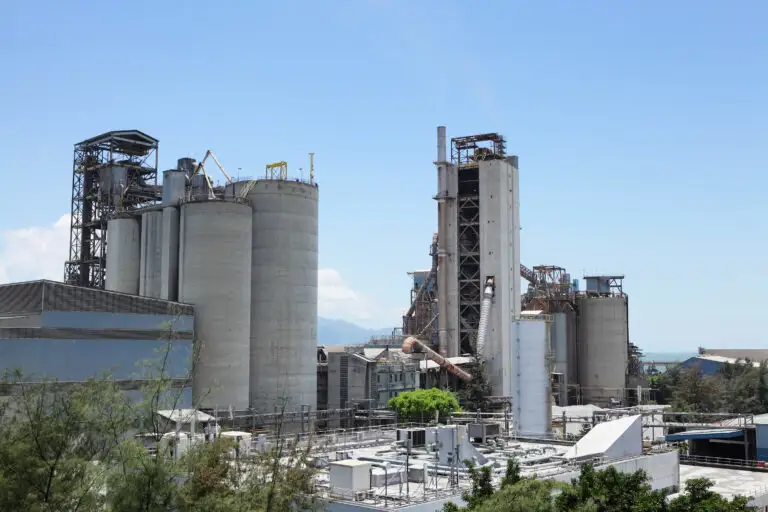
This article explores the importance of aggregate optimization in concrete mix design, highlighting how advanced technologies like Giatec SmartMix can transform production efficiency while reducing costs.
In the world of ready-mix concrete production, an intriguing paradox exists. While producers meticulously calibrate cement to the kilogram and carefully measure admixtures to the milliliter, the most substantial component of the mix—aggregates, which account for approximately 75% of the total volume—remains largely managed by intuition. This lack of optimization leads to the industry habitually overdesigning mixes, often by more than 20%, primarily to accommodate variability that current processes fail to address. Such inefficiencies result in unnecessary costs and operational challenges.To understand the significance of aggregate optimization, it's essential to explore how it influences the performance, cost, and workability of concrete mixtures. An effective optimization model relies on a comprehensive analysis of production data, including mix designs, batch proportions, ambient conditions, and the resulting strength and slump outcomes. This model can achieve three pivotal objectives: predict mix performance, redesign mixes for efficiency, and continuously optimize all elements of the design.
Aggregate optimization shifts the focus to treating the aggregates, which constitute a considerable portion of the mix, as a dynamic variable rather than a static input. This approach prompts producers to evaluate which combination of available sands and stones will yield the most durable and cost-effective results for a specific target strength and slump. The connection between aggregate packing and water demand is crucial; well-proportioned aggregates minimize voids, thereby reducing the required paste and cement while improving workability.
However, many plants treat aggregates as a fixed component, failing to account for the inherent variability in gradation that can change from load to load and season to season. Factors such as moisture content, particle shape, and texture significantly influence the mix's performance, yet these variables often go unnoticed. As a result, producers may unintentionally add excess cement to compensate for these unseen changes, which can lead to inflated operational costs over time. This practice is akin to paying interest on an unacknowledged loan, where the concrete meets basic strength requirements, but at the expense of profitability.
For instance, Trio Ready-Mix has demonstrated the financial benefits of implementing an AI-driven mix optimization platform like SmartMix. After adopting this technology, the company reduced its cement usage by approximately 50 kg per batch, resulting in an average savings of $3 per cubic meter over ten months. This optimization did not require new aggregate sources or significant capital investments; instead, it capitalized on insights derived from historical mix data.
Another critical aspect of aggregate optimization is addressing moisture content accurately. While moisture probes can provide some insights, they often fail to represent the entire truckload's condition. Variability in moisture can fluctuate dramatically due to environmental conditions, leading to significant discrepancies in the water-to-cement ratio and potentially compromising the concrete's strength. SmartMix counters this issue by utilizing real-time performance feedback to adjust future mix designs, effectively correcting for moisture variations without solely relying on sensors.
SmartMix also offers two key capabilities: source selection and fine-to-coarse aggregate balance. By evaluating multiple aggregate sources available to a plant, SmartMix can determine the optimal blend for achieving the desired specifications at the lowest cost. Furthermore, it allows for adjustments in the fine-to-coarse ratio, tailoring it to specific mix requirements rather than applying a one-size-fits-all approach. This flexibility can result in substantial cost savings and reduced environmental impact due to lower cement consumption.
As the industry moves toward greater efficiency, the importance of aggregate optimization cannot be overstated. By leveraging data-driven insights, producers can refine their mix designs, reduce material costs, and maintain compliance with quality standards. The future of concrete production lies in the ability to harness the untapped potential of aggregates, transforming them from a neglected component into a strategic asset that drives performance and profitability.
🏷️
quality control
construction technology
production efficiency
concrete mix design
aggregate optimization
AI in Construction
cost savings
environmental impact
Giatec SmartMix
ready-mix concrete
← Previous Post
McMichael Canadian Art Collection to Undergo Major Renovation for Three Years2 months ago
Next Article →
Federal and Ontario Governments Invest $41 Million in Oshawa Affordable Housing Projects2 months ago