Embracing AI in Consulting Engineering: Opportunities and Risks Discussed at ACEC Webinar
📅 5 months ago
A recent ACEC webinar highlighted the integration of AI in consulting engineering, discussing both its potential benefits and risks, particularly concerning project accountability and knowledge transfer among generations.
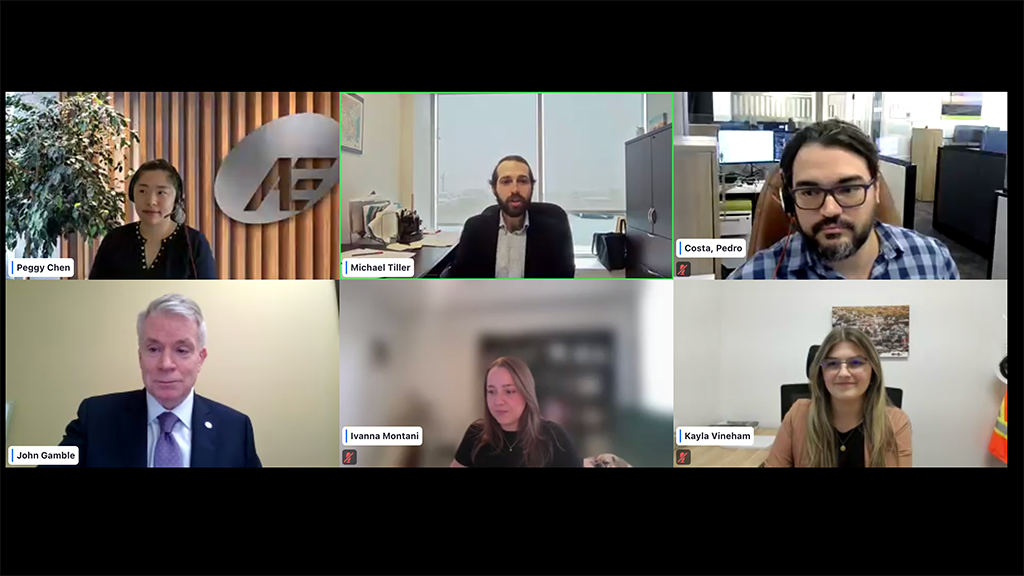
As the adoption of Artificial Intelligence (AI) continues to grow within Canada’s consulting engineering sector, concerns about the potential for project failures linked to this technology are being raised. This issue was a focal point during a dynamic webinar organized by the Association of Consulting Engineering Companies – Canada (ACEC) in celebration of National Consulting Engineering Day on May 26. The event featured a panel of four emerging professionals who examined the dual-edged nature of AI, discussing not only the benefits but also the significant risks associated with its integration into engineering practices.Ivanna Montani, a geotechnical engineer with KGS Group, was among the panelists who expressed caution regarding the increasing reliance on technology like AI without sufficient professional oversight. She pointed out the current climate of dwindling budgets, reduced funding, and a shortage of new entrants into the profession, leading to heightened stress levels among consulting engineers. "We are living in a generation where we’re at very high risk of an engineering failure associated with the use of AI on projects, and I wouldn’t be surprised," Montani stated. She emphasized the need for a deliberate approach to incorporate AI into engineering work, particularly on the technical front, in ways that are both healthy and effective.
Michael Tiller, a structural engineer at Tiller Engineering and chair of ACEC’s Future Leaders Network, echoed Montani’s sentiments. He noted that while AI might seem like a beneficial tool amidst talent shortages and tight deadlines, it introduces significant risks if not properly validated. Panelist Peggy Chen, a civil engineer at Associated Engineering, raised concerns about the accountability issues that could arise if AI is relied upon too heavily in design processes. "If AI is used in designs and a project goes wrong, where is the accountability?" Chen questioned, expressing her cautious optimism about AI's potential benefits while underscoring the need for thorough understanding of the underlying processes involved.
Kayla Vineham, a civil/structural engineer-in-training at CIMA+, connected the discussion of AI to the professional development of younger engineers. She noted that while senior leaders possess invaluable experience, much of this knowledge is not effectively passed down to the next generation. "Documentation is very, very important," Vineham asserted, advocating for comprehensive records to aid the learning process of younger professionals. This sentiment was shared by Montani and Tiller, who highlighted that AI is now handling many routine tasks that junior engineers traditionally performed, such as taking meeting minutes and drafting reports. Tiller remarked that this shift risks depriving young engineers of crucial hands-on experiences that foster their development.
Montani further stressed the importance of adhering to fundamental engineering principles, such as project accountability and integrity, in the discourse surrounding AI. She believes that how the industry integrates AI will significantly influence innovation over the coming decades. Chen, meanwhile, expressed optimism about the influx of new talent into consulting engineering, noting the diverse skill sets and perspectives that these individuals bring, particularly in technology. "The diversity that we’re now seeing in the pool of great talent is very exciting to me," she concluded, indicating that these fresh insights could greatly enrich the engineering field.
In summary, the ACEC webinar provided a platform for critical discussion about the intersection of AI and consulting engineering, emphasizing both the opportunities for innovation and the risks that must be managed to ensure project success and professional integrity.
🏷️
Workforce Challenges
Professional Development
Project Accountability
industry trends
technology integration
engineering ethics
Knowledge Transfer
Innovation
artificial intelligence
consulting engineering
Next Article →
Canada's Building Trades Unions Unveil Indigenous Reconciliation Action Plan5 months ago