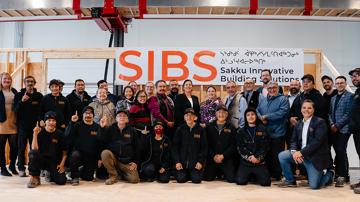
Canada's Building Trades Unions Unveil Indigenous Reconciliation Action Plan
📅 5 months ago

The CBTU introduces a structured framework aimed at enhancing Indigenous participation in the construction sector, with commitments to be fulfilled by 2029.
OTTAWA — Canada’s Building Trades Unions (CBTU) have officially launched their Indigenous Reconciliation Action Plan (IRAP), a comprehensive framework designed to enhance Indigenous involvement, leadership, and economic opportunities within the unionized construction industry. This initiative, spearheaded by Lindsay Amundsen, the CBTU’s director of workforce development, was developed in collaboration with Mokwateh, an Indigenous-owned consultancy. The plan aims to create a cohesive, sector-wide strategy for reconciliation, equipping CBTU affiliates and provincial councils with tools and commitments to foster stronger relationships with Indigenous communities and widen access to skilled trades careers.Sean Strickland, executive director of CBTU, emphasized the importance of this initiative, stating, "We stand at a defining moment for Canada’s skilled trades. With unprecedented investment in infrastructure, we have a responsibility to ensure Indigenous engagement and partnership are embedded across every jobsite and community. Canada’s Building Trades Unions’ Indigenous Reconciliation Action Plan is that unified national voice."
The IRAP is structured around four key pillars: workforce participation, learning and engagement, economic reconciliation, and representation. These pillars encompass 41 specific commitments that the CBTU aims to achieve by the year 2029. These commitments include the development of culturally relevant pre-employment programs, the establishment of Indigenous procurement policies, and the formation of an Indigenous Advisory Committee, alongside the integration of reconciliation principles into CBTU governance structures.
Robert Kucheran, chairman of the CBTU Canadian Executive Board, remarked, "This plan is a formal commitment born from listening, learning, and working alongside Indigenous communities and our members across the country." The IRAP builds upon the CBTU’s previous adoption of the Truth and Reconciliation Commission of Canada’s Call to Action #92 in 2017, reinforcing the organization’s dedication to meaningful consultations, equitable job access, and educational initiatives regarding Indigenous history, rights, and cultures.
The Daily Commercial News is expected to provide further insights into this development in an upcoming article.
🏷️
skilled trades
pre-employment programs
Truth and Reconciliation Commission
Indigenous Advisory Committee
economic reconciliation
Infrastructure Investment
CBTU
workforce development
Construction
Indigenous participation
← Previous Post
Embracing AI in Consulting Engineering: Opportunities and Risks Discussed at ACEC Webinar5 months ago
Next Article →
Massive Fire at Penticton Long-Term Care Home Under Construction Triggers Evacuations5 months ago