Alberta's Oilsands Set for New Growth with Pacific Link Pipeline
📅 1 week ago

The Pacific Link pipeline is poised to revitalize Alberta's oilsands industry, promising streamlined reviews and the potential for increased production, while addressing labor and infrastructure needs.
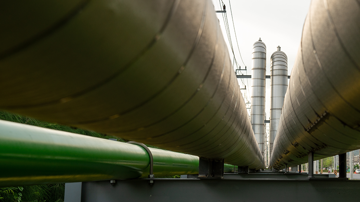
CALGARY, ALTA. — Alberta’s oilsands have seen a period of relative calm over the past decade, but both federal and provincial administrations are optimistic that the introduction of a new West Coast pipeline, alongside favorable policy changes, could reignite activity in the sector. Last week, Prime Minister Mark Carney made a significant announcement in Fort McMurray, Alberta, regarding the Pacific Link pipeline, which is designed to transport up to one million barrels of oil per day from Alberta to a tanker export terminal located in southern British Columbia. This proposal has received a designation of national interest under new legislation enacted last year, allowing it to undergo a streamlined review process managed by the Calgary-based major projects office.The economic viability of the Pacific Link pipeline is contingent upon oilsands companies' willingness to invest in expanding their production capabilities. When questioned at the press conference about the prospects for a return to the boom times previously experienced in northeastern Alberta, Carney refrained from using the term 'boom,' opting instead for 'sustained growth.' The previous boom, which lasted from the mid-2000s to the mid-2010s, was accompanied by significant cost inflation, labor shortages, and housing crises.
Both Carney and Alberta Premier Danielle Smith expressed hope that if oilsands companies resume construction projects, the outcomes will differ from those of the previous decade. Companies in the sector have been reluctant to undertake the multibillion-dollar megaprojects that were common before. The last completely new mine to be constructed was the Fort Hills project, managed by Suncor Energy Inc., which saw its costs rise dramatically from $13.5 billion to over $17 billion from its initial approval in 2013 to its operational launch in 2018.
In recent years, rather than pursuing new 'greenfield' projects, companies have tended to optimize existing operations to maximize bitumen extraction or incrementally expand their current facilities. Executives have pointed to a lack of pipeline capacity, a complex regulatory framework, and stringent environmental regulations as significant barriers to large-scale project development. Additionally, a decade ago, investment in the sector plummeted due to a global oversupply of crude oil, which was exacerbated by the COVID-19 pandemic that drastically reduced demand.
However, by 2026, the geopolitical landscape has shifted, with conflicts in the Mideast exposing vulnerabilities in global energy supply chains and leading nations to seek reliable energy sources. Many of the energy policies instituted during Justin Trudeau's administration that were unpopular with oil industry stakeholders have been reversed, paving the way for the Pacific Link to progress toward realization and possibly allowing for greater exports of oilsands crude to profitable Asian markets.
Carney noted that there are lessons learned from past infrastructure projects, emphasizing the importance of early collaboration with local leaders and First Nations communities to ensure a more equitable distribution of economic benefits. He also highlighted advancements in technology within the industry that were not present in earlier phases of development.
In a statement at the press conference, Premier Smith pointed to the autonomous haul trucks in operation at oilsands sites, which previously required highly-paid human operators who often lived in temporary accommodations during their work rotations. “Companies have found ways to enhance production without the intense pressures seen in the past, which led to an influx of workers struggling to find housing,” she remarked.
Smith also mentioned discussions with local municipal officials regarding necessary upgrades to infrastructure, specifically mentioning improvements to Highway 881, which connects several steam-driven oilsands sites south of Fort McMurray. “There are numerous opportunities for collaboration with the federal government to ensure that key infrastructure projects are executed at a pace that meets our needs,” she added.
Andrew Botterill, head of Deloitte Canada’s oil, gas, and chemicals division, remarked that the Alberta oil industry has evolved since the last boom, stating, “Today, we have a more efficient and cooperative group of producers than we did 10 to 15 years ago. They have recognized the need to share resources and collaborate to avoid escalating costs.” The ownership of oilsands properties has also consolidated, with fewer companies holding larger stakes in the industry compared to a decade ago, as firms like Husky and MEG Energy have been acquired and international companies such as Shell and Total have reduced their investments.
Lance Mortlock, managing partner at EY Canada, raised concerns regarding the workforce needed for multiple upcoming projects, including the Pacific Link pipeline and new oilsands initiatives, as well as potential mining, transmission, and hydroelectric projects. “We will require tens of thousands of workers nationwide to construct these projects: engineers, professionals, welders, and pipe fitters. I am uncertain where this workforce will come from if we proceed with all the desired projects,” he stated, urging for more discussions around labor availability and project sequencing to optimize workforce utilization.
🏷️
labor
Alberta
energy
production
environmental regulations
Pacific Link
oilsands
pipeline
technology
Infrastructure
← Previous Post
Base31: Transforming a Historic WWII Site into a Year-Round Community Hub1 week ago
Next Article →
SkilledTradesBC Launches Training Programs for Underrepresented Groups in Skilled Trades1 week ago