Balancing Carbon Emissions and Housing Affordability in Canada's Building Codes
📅 2 months ago
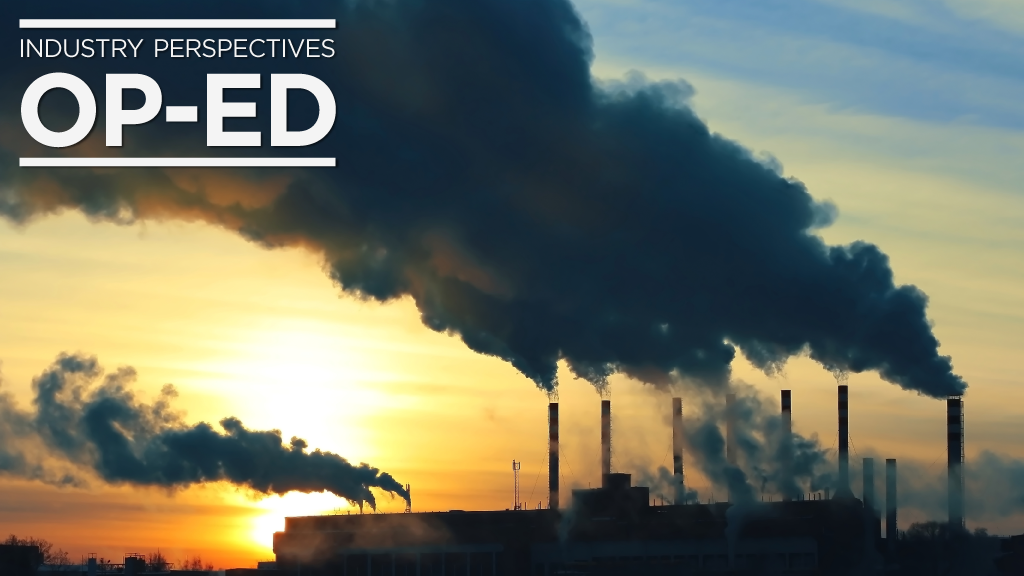
This article explores the challenges Canada faces in addressing its housing affordability crisis while also tackling climate change, emphasizing the need for a balanced approach in building codes that considers both embodied and operational carbon emissions.
Canada is currently grappling with two significant crises: an affordable housing shortage and the pressing need to address climate change. The most detrimental outcome would be resolving one issue at the expense of the other. The ongoing dialogue surrounding low-carbon construction has predominantly focused on embodied carbon, which refers to the emissions generated during the manufacturing of building materials and the construction of homes. While this aspect is undoubtedly important, there has been a notable shift in the conversation that often neglects the emissions savings related to materials that influence a building's performance over time.In July 2025, the Canadian Board for Harmonized Construction Codes (CBHCC) released a Climate Change Policy Position on Embodied Greenhouse Gas (GHG) Emissions intended for inclusion in the 2030 Model National Building Code. This policy is modeled after the tiered approach to operational carbon emissions that was introduced in the 2020 Model National Building Code. However, while operational carbon focuses on elements that consume energy—such as mechanical systems, water heaters, and lighting—the current framework overlooks critical materials that can enhance operational energy efficiency, such as insulation.
A recent lifecycle analysis conducted by Building Knowledge Canada, commissioned by NAIMA Canada, has shed light on how insulation can significantly impact carbon emissions throughout a building's lifespan. The study revealed that in many instances, the carbon savings achieved through reduced operational energy consumption outstripped the total embodied carbon produced during the building's construction over a century. This is a crucial finding, especially as the direction of the 2030 National Building Code increasingly prioritizes the reduction of upfront embodied carbon.
While it is essential to address embodied emissions during construction, evaluating materials without factoring in their long-term performance presents an incomplete and potentially misleading narrative. The analysis underscored the importance of operational carbon, which is often overlooked. The study introduced the concept of the “carbon payback period,” which measures the time required for operational carbon savings to compensate for the additional embodied emissions from upgraded insulation strategies. Across various building archetypes, this payback period ranged from approximately 3.1 to 5.1 years over the expected lifespan of the building, which spans 75 to 100 years, indicating a favorable return on investment.
Housing affordability is frequently discussed in terms of initial costs; however, design choices that lead to inferior energy performance can have long-term financial implications. A less expensive home, which incurs higher heating and cooling costs, may not truly be affordable in the long run. Homes with lower energy performance often result in increased utility bills and greater vulnerability to fluctuations in energy prices. Thus, materials that enhance operational efficiency and reduce carbon output should be prioritized.
Canada is in dire need of more housing, but it is equally important that this housing remains viable for decades to come, allowing residents to afford their energy bills. If the focus remains solely on reducing upfront embodied carbon without considering the full lifecycle performance of building materials, we risk embedding unnecessary emissions, escalating future maintenance costs, and increasing climate vulnerability into our infrastructure.
Energy consumption from heating—regardless of whether it comes from natural gas, heating oil, propane, or fossil fuel-generated electricity—inevitably leads to emissions. While electrification is a critical component of Canada’s climate strategy, the availability of zero-carbon electricity is still limited across large parts of the nation. Hence, the most efficient and cost-effective method to mitigate emissions is to lower the energy demands of buildings from the outset. Ultimately, the cleanest energy is the energy we never need to consume in the first place. Jay Nordenstrom, the executive director of NAIMA Canada, advocates for this balanced approach, representing manufacturers of mineral fiber insulation.
This conversation is crucial for shaping the future of Canada’s construction landscape as it navigates the dual challenges of climate responsibility and the urgent need for affordable housing.
🏷️
Affordable housing
energy efficiency
lifecycle analysis
sustainability
embodied carbon
climate change
NAIMA Canada
National Building Code
insulation
operational carbon
← Previous Post
Enbridge Sees Growing Demand for Gas Transmission Amid Geopolitical Challenges2 months ago