Bank of Canada Governor Warns of U.S. Trade Policy Uncertainty Impacting Canadian Economy
📅 1 day ago
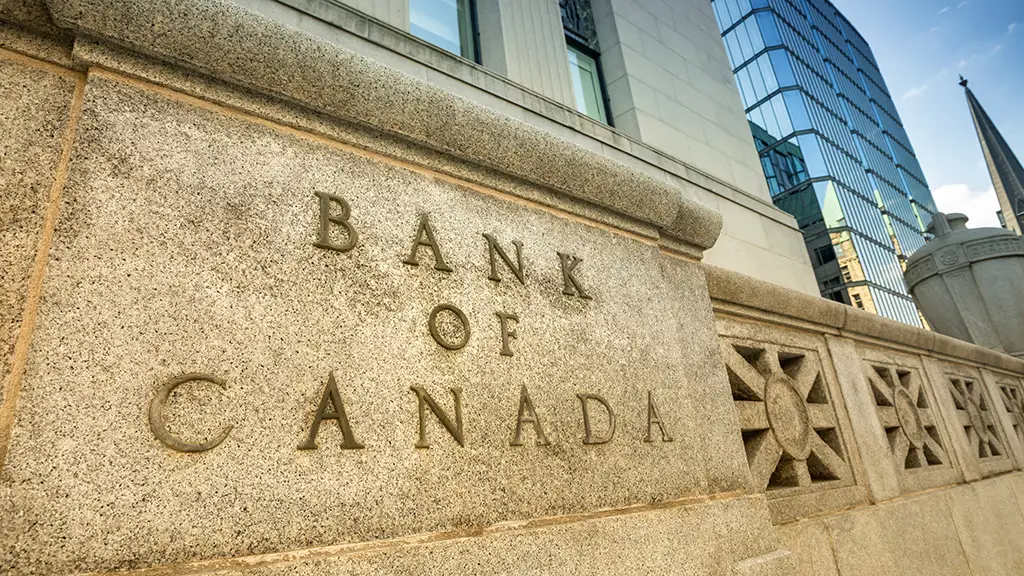
Tiff Macklem, governor of the Bank of Canada, highlights the adverse effects of U.S. trade policy unpredictability on Canadian businesses and the economy during a speech in Halifax.
HALIFAX — Tiff Macklem, the governor of the Bank of Canada, addressed the Halifax Partnership on Monday, emphasizing the growing uncertainty for Canadian businesses stemming from the erratic nature of U.S. trade policy. In his prepared remarks, Macklem noted that over the past year, businesses have been adjusting to increased tariffs imposed by the United States, which had led to a resurgence in economic growth. However, this recovery faces new challenges following the breakdown of trade discussions with the U.S., culminating in the president's announcement of a 50 percent tariff on a wide range of Canadian goods, a ban on specific Canadian imports, and an executive order to rename Lake Ontario as Lake America. "The unpredictability of U.S. trade policy has increased uncertainty for everyone," Macklem stated. He further warned that this latest escalation could compel businesses to postpone investment and hiring decisions, potentially forcing them back into a phase of reassessment. The Canadian economy had shown a robust growth of 3.3 percent on an annualized basis in the second quarter, marking the fastest growth rate since early 2023. However, Macklem cautioned that the impact of the new U.S. tariffs, which affect nearly $28 billion worth of Canadian goods, could significantly dampen growth projections for the fourth quarter, potentially reducing them to below one percent. Despite these challenges, Macklem expressed confidence in the economy's resilience. "This isn’t going away any time soon, but people are getting on with it. People are figuring out how to move forward," he remarked during a press conference following his speech. Concurrently, Macklem mentioned that ongoing conflicts in the Middle East are contributing to rising oil and gasoline prices. He noted that when the monetary policy report was released in July, there was an expectation for the conflict to ease and for supply disruptions to gradually normalize. Instead, critical shipping routes remain affected, and some refineries have sustained damage. As it stands, if oil prices hover around US$100 per barrel, the central bank anticipates that inflation will rise in the upcoming months. Statistics Canada reported that the annual inflation rate was three percent in August, matching July's figure and positioning it at the upper limit of the central bank’s target range. Earlier this month, the Bank of Canada opted to maintain its key interest rate at 2.25 percent, but recent shifts in financial markets suggest that a rate increase may occur sooner than previously anticipated. Macklem indicated that the bank has been monitoring the direct impact of elevated oil prices on inflation, assuming these effects would be temporary. However, the risk of persistent high inflation has escalated. "The real issue is the longer inflation stays high, the longer those gasoline and diesel prices are elevated, the less ability businesses have to absorb that impact, increasing the likelihood that these costs will be passed on," he explained. "That’s something we’re watching very closely."
🏷️
Canadian economy
Bank of Canada
inflation
U.S. trade policy
investment
tariffs
Construction Sector
economic growth
oil prices
business uncertainty
← Previous Post
Morguard Launches $145 Million Fund for Energy-Efficiency Upgrades Across Canada1 day ago
Related Posts