Bank of Canada Officials Address Housing Affordability Challenges
📅 1 week ago
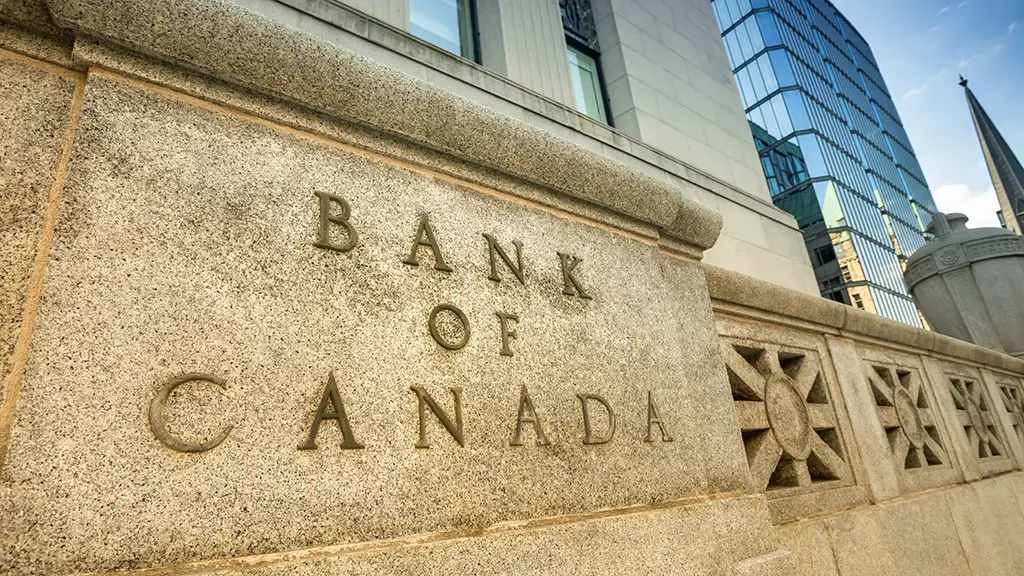
In a recent address in Victoria, B.C., Carolyn Rogers, the senior deputy governor of the Bank of Canada, articulated the ongoing difficulties faced by monetary policy-makers in addressing the persistent issue of housing affordability in Canada. Rogers emphasized the complex relationship between housing, regulatory frameworks, economic conditions, and the role of the Bank of Canada. She highlighted that housing has become increasingly significant to Canada’s economy compared to other countries, noting a shift since 2000 when residential investment made up 4.3 percent of Canada’s gross domestic product, while business investment in equipment and machinery stood at 8.3 percent. This ratio has now flipped, indicating housing's dominant position in the economic landscape.
While recent reductions in home prices have provided some relief for buyers in certain markets, Rogers cautioned that prolonged declines in housing values could have far-reaching consequences, including a slowdown in new construction activities. The senior deputy governor pointed out that measures aimed at stabilizing the housing market, such as the mortgage stress test, have historically introduced barriers to homeownership, despite their intended stabilizing effects.
Rogers asserted that the central bank’s primary interest rate is “too blunt” to effectively resolve housing affordability issues. She explained that lower interest rates can lead to rising prices, while higher borrowing costs can exclude potential buyers from the market. Moreover, the varying conditions across different Canadian markets necessitate tailored policy responses, which often fall outside the Bank of Canada's direct influence. "We set one interest rate for the whole economy. We cannot set one rate for housing and another for everything else. And interest rates cannot directly address supply constraints. They can’t build homes, rezone land or speed up permits," she stated.
In her remarks, Rogers defended the Bank of Canada's actions during the COVID-19 pandemic, countering criticisms that the central bank's policies exacerbated the housing price surge. The Bank had lowered its policy rate to a historic low of 0.25 percent to support the economy amid pandemic uncertainties, but critics argue that maintaining this low rate for an extended period contributed to escalating home prices. Rogers acknowledged that while lower interest rates made borrowing more accessible, factors such as high immigration rates, stringent building restrictions, and the speculative nature of housing as an investment also played significant roles in increasing demand.
“The narrative is more complex than merely low interest rates. However, that doesn’t absolve monetary policy from its responsibilities,” she remarked. Furthermore, Rogers discussed the Bank of Canada’s efforts to integrate housing affordability into its upcoming five-year mandate review with the federal government, slated for this fall. She noted the challenges in tracking home prices as part of inflation measures, as housing serves both as an asset and a cost for buyers.
Rogers pointed out that Canadians often misunderstand the Bank of Canada’s attempts to control inflation through higher interest rates. Given that rising mortgage costs contribute to shelter price data, it may seem counterintuitive that increased interest rates can actually dampen inflation. “The key takeaway from our review is the necessity to clarify these trade-offs and communicate more effectively with Canadians about the limitations of monetary policy,” she concluded.
Rogers emphasized that restoring housing affordability will require a multifaceted approach aimed at enhancing supply while reducing the economy's dependency on constantly rising home prices. She asserted that this challenge cannot be addressed by the Bank of Canada in isolation and will demand patience and collaboration among various levels of government, regulators, and the private sector to achieve the necessary balance.
While recent reductions in home prices have provided some relief for buyers in certain markets, Rogers cautioned that prolonged declines in housing values could have far-reaching consequences, including a slowdown in new construction activities. The senior deputy governor pointed out that measures aimed at stabilizing the housing market, such as the mortgage stress test, have historically introduced barriers to homeownership, despite their intended stabilizing effects.
Rogers asserted that the central bank’s primary interest rate is “too blunt” to effectively resolve housing affordability issues. She explained that lower interest rates can lead to rising prices, while higher borrowing costs can exclude potential buyers from the market. Moreover, the varying conditions across different Canadian markets necessitate tailored policy responses, which often fall outside the Bank of Canada's direct influence. "We set one interest rate for the whole economy. We cannot set one rate for housing and another for everything else. And interest rates cannot directly address supply constraints. They can’t build homes, rezone land or speed up permits," she stated.
In her remarks, Rogers defended the Bank of Canada's actions during the COVID-19 pandemic, countering criticisms that the central bank's policies exacerbated the housing price surge. The Bank had lowered its policy rate to a historic low of 0.25 percent to support the economy amid pandemic uncertainties, but critics argue that maintaining this low rate for an extended period contributed to escalating home prices. Rogers acknowledged that while lower interest rates made borrowing more accessible, factors such as high immigration rates, stringent building restrictions, and the speculative nature of housing as an investment also played significant roles in increasing demand.
“The narrative is more complex than merely low interest rates. However, that doesn’t absolve monetary policy from its responsibilities,” she remarked. Furthermore, Rogers discussed the Bank of Canada’s efforts to integrate housing affordability into its upcoming five-year mandate review with the federal government, slated for this fall. She noted the challenges in tracking home prices as part of inflation measures, as housing serves both as an asset and a cost for buyers.
Rogers pointed out that Canadians often misunderstand the Bank of Canada’s attempts to control inflation through higher interest rates. Given that rising mortgage costs contribute to shelter price data, it may seem counterintuitive that increased interest rates can actually dampen inflation. “The key takeaway from our review is the necessity to clarify these trade-offs and communicate more effectively with Canadians about the limitations of monetary policy,” she concluded.
Rogers emphasized that restoring housing affordability will require a multifaceted approach aimed at enhancing supply while reducing the economy's dependency on constantly rising home prices. She asserted that this challenge cannot be addressed by the Bank of Canada in isolation and will demand patience and collaboration among various levels of government, regulators, and the private sector to achieve the necessary balance.
🏷️
monetary policy
housing affordability
construction supply
Canada
residential construction
interest rates
economic impact
Bank of Canada
government policy
real estate market
← Previous Post
Wolseley Canada Contributes $20,000 to Support Indigenous Skilled Trades Education1 week ago