Bank of Canada Maintains Interest Rate Amid Economic Uncertainty
📅 2 months ago
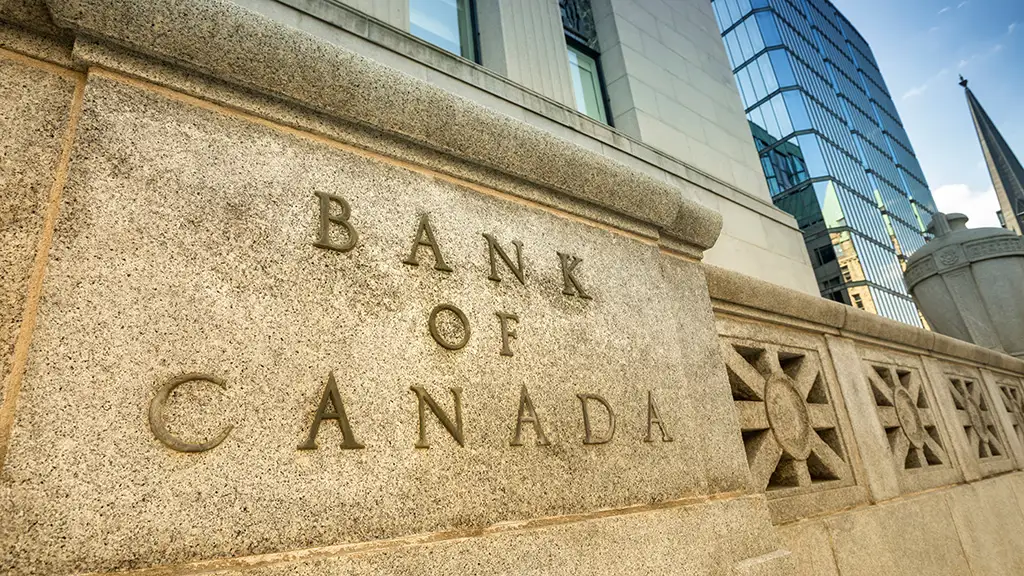
The Bank of Canada has decided to keep its benchmark interest rate steady at 2.25%, citing inflationary risks due to the ongoing conflict in Iran and new U.S. tariffs.
OTTAWA — The Bank of Canada has opted to maintain its benchmark interest rate at 2.25% for the seventh consecutive meeting, a decision anticipated by economists. This choice comes amid increasing uncertainty stemming from new tariffs imposed by the United States and the ongoing conflict in Iran, which have clouded the central bank's economic outlook. In his prepared remarks, Bank of Canada Governor Tiff Macklem expressed concerns about the potential inflationary pressures arising from the prolonged conflict in the Middle East, as it has contributed to rising global energy prices. He warned that a resurgence in trade tensions with the U.S. could jeopardize Canada's economic recovery, suggesting that businesses might postpone investment and hiring decisions until the trade landscape becomes clearer. "Monetary policy cannot offset the effects of tariffs or influence global energy prices. What we can do is ensure global developments don’t jeopardize price stability in Canada," Macklem stated. The Bank of Canada uses its policy rate as a tool to manage inflation and foster economic growth, particularly when price stability is maintained. Inflation rates rose to 3% in July, influenced by the volatile gas prices resulting from the conflict in Iran. Meanwhile, the Canadian economy has shown signs of recovery, with a notable annualized growth rate of 3.3% in the second quarter. However, analysts remain cautious about whether this growth can be sustained in the upcoming quarter. The U.S. had implemented a significant 50% tariff on various Canadian goods on August 22. While Macklem noted that the Bank does not foresee a substantial immediate impact on the economy from these new tariffs, he acknowledged that certain targeted sectors could face significant challenges. Canada is also preparing to introduce retaliatory tariffs on U.S. goods starting September 8, which could escalate costs for Canadian businesses and pose inflation risks if these increased expenses are transferred to consumers. As the situation with tariffs unfolds, Macklem observed that exports were on the rise and businesses appeared to be adapting to trade restrictions. "Overall, the data reaffirm our view of a broadening recovery," he remarked. Given that the economy is progressing in line with the Bank’s forecasts, the governing council decided to keep the policy rate unchanged. However, Macklem indicated that future adjustments could be necessary depending on the trajectory of the economy and inflation. He stated, "Governing council will assess the sustainability of the economic rebound and the outlook for inflation, and is prepared to adjust monetary policy as needed." Following the Bank's decision, some economists suggested that Macklem's emphasis on inflationary risks indicates a potential bias towards rate hikes rather than cuts in the future. Stephen Brown, chief North America economist at Capital Economics, suggested that the central bank might require further indications of improved unemployment rates or economic growth before considering an increase in the policy rate. He pointed out that with global oil prices remaining high, a rate hike could be a possibility at the Bank's final meeting of the year in December. Conversely, KPMG chief economist Ali Jaffery expressed that he anticipates the Bank will remain focused on growth concerns due to the escalating risks posed by tariffs, maintaining that the Bank will likely hold its position through the end of 2027. CIBC chief economist Avery Shenfeld remarked that the decision to keep the key rate unchanged was expected, given the uncertainties surrounding the trade war. Shenfeld noted that CIBC does not foresee any changes in the policy rate this year, considering the potential shifts in both the U.S. tariffs and the situation in Iran in the coming months.
🏷️
U.S. tariffs
inflation
economic growth
trade disputes
interest rate
Canada
Construction Sector
tariffs
energy prices
Bank of Canada
← Previous Post
Manitoba Government Announces Over $100 Million in Tariff Support for Local Businesses2 months ago
Next Article →
Toronto Public Health Urges Families to Ensure Student Vaccination Records are Updated for the New School Year2 months ago
Related Posts