Bill C-39 Passes First Vote: A Controversial Step in Canada's Infrastructure Agenda
📅 6 days ago
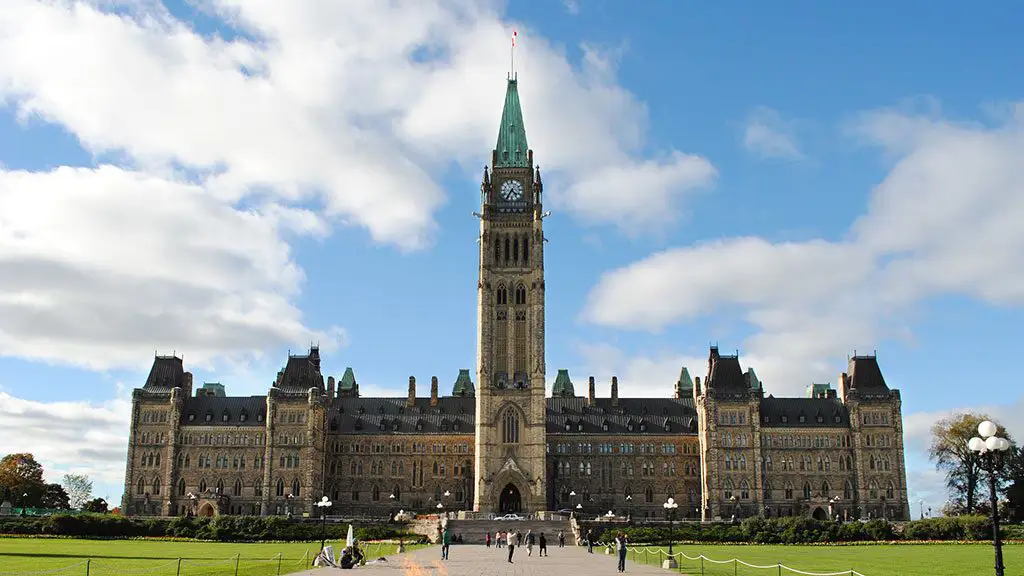
Bill C-39 has passed its first vote in the House of Commons, aiming to streamline infrastructure project reviews in Canada, but faces significant opposition regarding its implications for Indigenous rights and labor.
OTTAWA — A significant milestone for the Carney government’s economic strategy was reached Thursday when Bill C-39 secured its initial vote in the House of Commons. Supported by a coalition of Conservative and Liberal members, the 243-page legislation is set to undergo further scrutiny by a specialized committee. This bill is pivotal as it seeks to broaden the government's one-project, one-review, one-year framework for major infrastructure projects to encompass a wider array of initiatives across the nation.The legislation is integral to the Liberals' efforts to shift Canada's economic reliance from the United States towards establishing the country as a dependable trading ally for international markets. Prior to the vote, Conservative Leader Pierre Poilievre expressed his party's intent to back the bill's progression to committee study, voicing concerns about its current form, which he described as “weak, watered-down, long-delayed.” Poilievre urged the government to expedite decision-making timelines on projects to a range of six months to one year, and to introduce provisions that safeguard workers’ rights. He also advocated for the removal of the industrial carbon pricing scheme and the establishment of shovel-ready zones with pre-permitting processes for developments.
Prime Minister Mark Carney’s administration intends to form a special committee to evaluate this expansive legislation, although the specific composition of this committee has yet to be disclosed. Notably, the New Democratic Party (NDP), lacking official party status in the House of Commons, will not be represented on this committee. NDP House leader Don Davies criticized this exclusion as “fundamentally undemocratic” after his request for participation was denied by Government House leader Steven MacKinnon. Green Party Leader Elizabeth May echoed similar sentiments, labeling the bill as the “omnibus of omnibuses” and warning that it could jeopardize environmental protections in the rush to expedite construction.
During a press conference featuring labor and First Nations representatives, Davies and NDP Leader Avi Lewis articulated their opposition to the bill in its current draft, arguing it could infringe upon labor and treaty rights. Lewis insisted that the legislation “must be scrapped” due to its sweeping changes and the government’s inadequate consultation with Indigenous communities and other stakeholders. He drew parallels to omnibus bills from the Harper era.
On Tuesday, B.C. Liberal MP Patrick Weiler expressed his reservations about the bill during House debates. He acknowledged agreement with its general direction but expressed discomfort with the powers it grants to the cabinet for fast-tracking project timelines. Weiler highlighted concerns that the proposed one-year timelines could compromise the government’s obligation to consult Indigenous communities adequately.
In response to questions about enforcing the proposed tight timelines while ensuring adequate stakeholder engagement, Poilievre asserted that Indigenous peoples have already consented to a vigorous infrastructure agenda. He remarked on the potential for Indigenous Canadians to achieve significant wealth through resource development if bureaucratic barriers are removed.
On the same day, Cold Lake First Nations initiated a judicial review in Federal Court concerning the government’s classification of the Pacific Link pipeline as a project of national interest. The First Nation alleges a lack of sufficient consultation regarding the project. Chief Shelly Moore-Frappier of the Teme Augama Anishinabek nation emphasized the necessity for amendments to the bill that would mandate government consent for developments, abolish deadlines on consultations, and require remediation of previously industrial sites.
Moore-Frappier criticized last year's Bill C-5 as economic coercion, claiming it pressured First Nations into compliance under the threat of tariffs. She argued that Bill C-39 makes these expedited processes permanent. Her community, rich in deposits of critical minerals and with legacy industrial sites, stands at the crossroads of development and environmental stewardship.
The government maintains that it will uphold its duty to consult Indigenous groups on projects, asserting that the legislation does not compromise the right to strike. Bill C-39 proposes new stipulations regarding the circumstances under which the jobs minister can intervene in labor disputes impacting federally regulated sectors. Bea Bruske, president of the Canadian Labour Congress, condemned C-39 as a direct assault on workers’ rights, arguing that the proposed changes would significantly weaken unions’ bargaining power. Jobs Minister Patty Hajdu has stated that the federal government will not infringe upon the right to strike, yet she refrained from confirming whether the bill could impose restrictions on that right. The Liberals contend that the amendments to the Canada Labour Code will establish “guardrails” around ministerial intervention in labor disputes. Poilievre indicated that the Conservatives would propose amendments at the committee stage to enhance protections for workers’ rights, although specific details were not provided.
🏷️
environmental policy
Bill C-39
construction legislation
Infrastructure
labor relations
Canada
Indigenous rights
economic development
project timelines
government policy
Next Article →
Stelco Layoffs Loom as Trade Talks Continue: Cleveland-Cliffs CEO Optimistic6 days ago