Innovative Bridge Replacement in Coquihalla Canyon Park After 2021 Flooding
📅 2 months ago
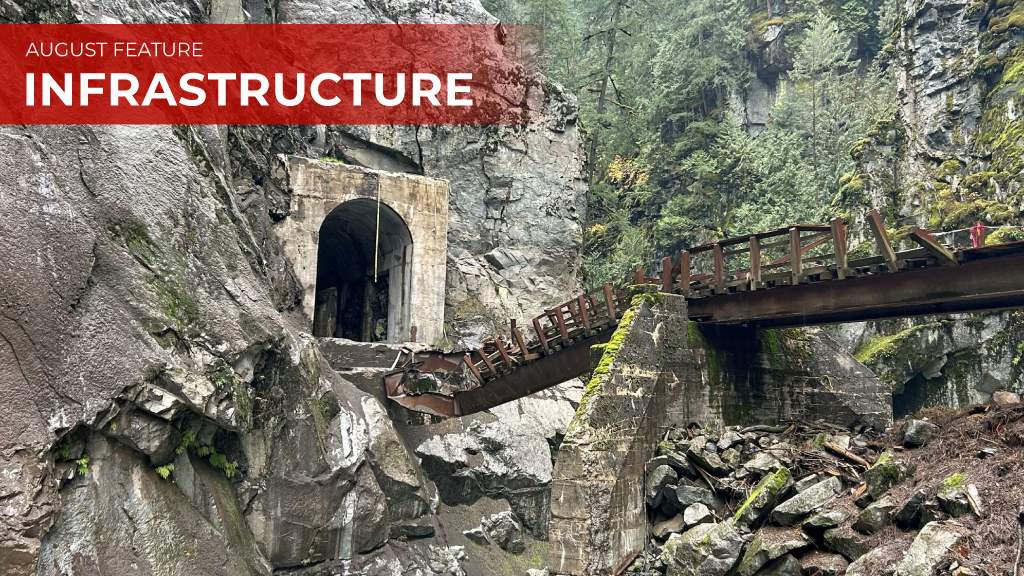
A new bridge in Coquihalla Canyon Park replaces one damaged by severe flooding in 2021, showcasing engineering innovation and environmental consideration.
In November 2021, British Columbia experienced a catastrophic atmospheric river event, characterized by an unprecedented three-day downpour that unleashed months of rainfall within a mere 48 hours. This deluge resulted in devastating floods and landslides, severing connections between Metro Vancouver and the rest of the province, and tragically led to the loss of over 600,000 farm animals and five human lives. One of the significant casualties of this disaster was a wooden bridge in Coquihalla Canyon Provincial Park, which became unusable due to extensive damage.Following the storms, structural assessments were carried out on the bridges in the park, known as Bridges 1 and 2. Bridge 1 was found to have suffered severe erosion and material loss, compounded by rockfalls that compromised its stability, leading to a partial structural failure. The B.C. Ministry of Environment and Parks, which oversees the park and its bridges, acted swiftly to close the bridge, recognizing the imminent risk it posed to public safety. Damian Liebeknecht, project manager at Tetra Tech Canada Inc., explained that the flood had critically damaged the bridge's center support, resulting in a hazardous separation of the bridge deck.
In the wake of these findings, Tetra Tech was engaged to spearhead the rehabilitation of Bridge 1. The project team explored various repair strategies, including the potential for rehabilitating the existing two-span structure, replacing it in kind, or removing the center pier. Ultimately, the team rejected retaining an in-channel pier due to concerns about future vulnerability to erosion, flooding, and possible river blockage. They also considered modular systems but ruled them out due to their industrial appearance and incompatibility with the bridge's historic context.
The decision was made to construct a custom 45-meter-long clear-span bridge, supported by the existing abutments. This choice not only addressed the structural risks but also respected the heritage significance of the site and the constraints imposed by its location. Liebeknecht emphasized the necessity of protecting the Coquihalla River by avoiding in-water construction, which would have imposed additional environmental impacts in the sensitive park and heritage corridor.
To mitigate risks during construction, the project team implemented a strategy to remove loose rock and utilized a combination of pinned and draped mesh systems for rockfall protection, ensuring public safety throughout the process. The bridge was assembled in sections within Tunnel 2 and then progressively pushed into its final position from one side of the canyon, a method that minimized disruption to the surrounding environment.
For the bridge's exposed timber elements, Western Red Cedar was chosen, reflecting local traditions and cultural significance while ensuring durability. The project reached completion in November 2025, successfully restoring public access through the Othello Tunnels without the need for in-water work and bolstering resilience against future climate challenges.
In addition to the replacement of Bridge 1, the project also included a full deck and railing replacement for Bridge 2, along with targeted rockfall mitigation measures to enhance its structural integrity and user experience. Liebeknecht remarked that the innovation of this project lay not in a single feature but in the comprehensive engineering solution crafted to meet the site’s unique conditions. The design effectively eliminated the center pier while improving the bridge's long-term resilience, balancing limited site access, environmental protection, heritage considerations, and rockfall hazards.
The Coquihalla Canyon Park – Bridge Replacement project has garnered recognition, winning a 2026 Award of Merit from the Association of Consulting Engineering Companies British Columbia in the bridges category, highlighting the successful marriage of engineering innovation and environmental stewardship in the face of natural disaster.
🏷️
public safety
ACEC-BC
British Columbia
environmental protection
Historic Preservation
bridge replacement
climate resilience
Coquihalla Canyon
Infrastructure
engineering