Canada's Economic Recovery Faces Threat from Renewed U.S. Tariffs
📅 2 months ago
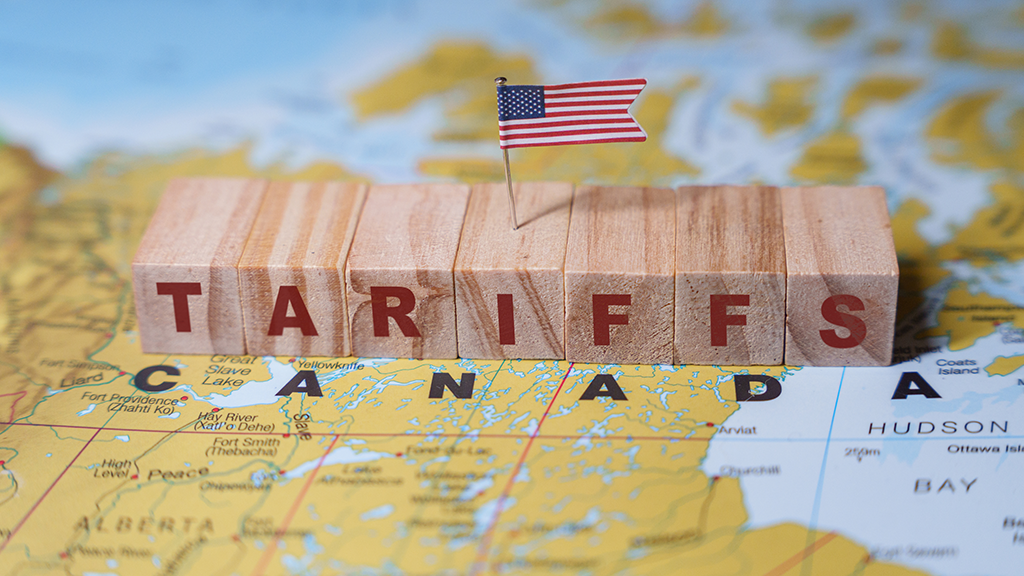
Economists express concerns that renewed tariffs from the U.S. could hinder Canada's economic recovery, with potential retaliatory measures and inflationary impacts.
OTTAWA — The ongoing trade tensions between Canada and the United States have taken a sharp turn, raising alarms among economists regarding the potential impact on Canada’s economic recovery. Over the weekend, the U.S. government imposed a staggering 50 percent tariff on approximately $28 billion worth of Canadian goods, following a breakdown in trade negotiations. This development has prompted Bank of Montreal to forecast a significant slowdown, estimating that the new tariffs could reduce Canada’s economic growth by half a percentage point as business investment and consumer confidence are likely to suffer.In response to the U.S. tariffs, Prime Minister Mark Carney has committed to implementing retaliatory tariffs on a dollar-for-dollar basis, set to take effect on September 8. Economists are concerned that such measures could further exacerbate inflationary pressures within Canada. According to Bradley Saunders, a North American economist at Capital Economics, these new tariffs could push Canada closer to a recession, especially if the U.S. escalates its retaliatory actions in response to Canada’s countermeasures.
The overall impact on Canada’s economy will largely hinge on the extent of fiscal stimulus that Canadian governments may introduce in reaction to the new U.S. duties. The trade landscape has become increasingly precarious, with U.S. President Donald Trump announcing on Monday, August 24, his intention to raise tariffs to 50 percent on all vehicles, auto parts, and steel imported from Canada, effective January 1.
With these developments unfolding, the implications for various sectors, particularly those related to manufacturing and trade, cannot be overlooked. The construction industry, which often relies on materials and components sourced from the U.S., may face increased costs and supply chain disruptions as a result of these tariffs. The uncertainty surrounding trade relations could also dampen investment in infrastructure projects, further complicating Canada’s recovery trajectory.
As trade discussions remain stalled, the Canadian economy finds itself at a critical juncture. The potential for retaliatory tariffs, coupled with rising inflation, poses significant risks not only to immediate economic stability but also to long-term growth prospects. Stakeholders across various industries are now left to navigate this turbulent landscape, which could reshape the economic outlook for Canada in the coming months.
🏷️
U.S.
Construction
inflation
economic growth
trade war
Infrastructure
Canada
tariffs
Supply Chain
manufacturing
← Previous Post
Canada to Impose Retaliatory Tariffs on U.S. Goods Following Failed Trade Talks2 months ago
Next Article →
Federal Government Invests $11 Billion in Quebec's Shipbuilding Sector for New Icebreakers2 months ago