
Canada to Impose Retaliatory Tariffs on U.S. Goods Following Failed Trade Talks
📅 2 months ago
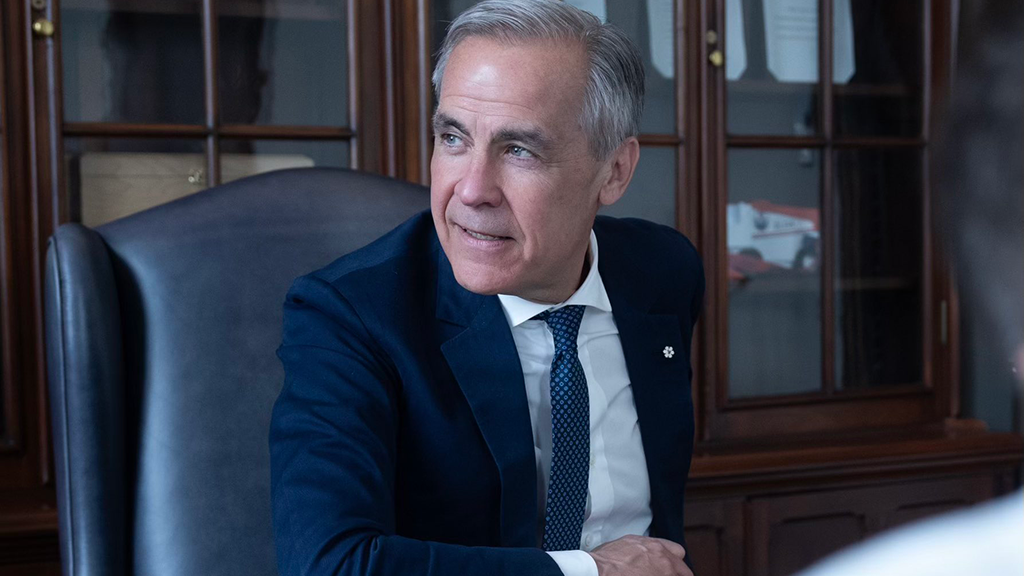
In response to new tariffs imposed by the U.S., Prime Minister Mark Carney announces retaliatory measures set to take effect in September, targeting various sectors.
OTTAWA — Prime Minister Mark Carney announced that Canada will begin imposing retaliatory tariffs on U.S. imports starting next month. This response follows the U.S. government's decision to implement new tariffs of 50 percent on billions of dollars worth of Canadian exports after trade negotiations reached an impasse. "We got attacked," Carney stated to reporters on Parliament Hill, underscoring the escalating tensions in the trade relationship between the two nations.Carney declared that the Canadian government could not accept the terms proposed by the U.S. and subsequently suspended discussions, calling back Canadian negotiators to Ottawa late Friday. "We cannot accept what they’ve offered, and we will not give what they’ve asked," he emphasized. Accompanying Carney were Canada-U.S. Trade Minister Dominic LeBlanc and chief trade negotiator Janice Charette, who are integral to the ongoing trade dialogue.
In retaliation, Canada plans to match the U.S. tariffs dollar-for-dollar, targeting critical sectors including steel, dairy, appliances, agricultural equipment, pulp and paper, and electronics. Specifics regarding the retaliatory measures and support initiatives for affected workers and businesses will be outlined next week, as Carney indicated that these tariffs would come into effect on September 8, right after the Labour Day holiday.
Carney expressed reluctance about the countermeasures, acknowledging that they would likely increase costs and limit choices available to Canadians. He also recognized that some American companies and states might be adversely affected by the trade dispute, which he described as hindering the potential for beneficial collaboration between Canada and the U.S.
The prime minister criticized the U.S. for introducing new restrictions on Canada’s ability to negotiate other trade agreements, calling it a “power play” that infringes on Canada’s sovereignty. He asserted that Canada believes in free trade with its preferred partners globally, and the latest U.S. proposals were unacceptable.
Furthermore, Carney noted that the U.S. had suggested Canada impose tariffs on other countries in conjunction with their own, a notion he found concerning. The U.S. also attempted to negotiate terms related to removing tariffs on specific vehicles and restricting Canada’s cultural protections, which Carney viewed as an infringement on Canadian sovereignty.
In light of these developments, Carney assured that the government would announce a comprehensive plan to protect Canadian businesses and provide necessary support in the face of U.S. tariffs. The new U.S. tariffs are aimed at $28 billion worth of Canadian goods, impacting a wide range of products from hockey sticks to dairy products.
U.S. Trade Representative Jamieson Greer commented on the situation, attributing the failed negotiations to Canada’s new demands and lack of commitment to prior agreements. He described the breakdown as a missed opportunity for Canada, as the U.S. had offered substantial tariff reductions in exchange for concessions.
As the tensions continue, Ontario Premier Doug Ford expressed his support for Carney’s stance against the U.S. tariffs, emphasizing the need for a united front among Canadian provinces. Ford criticized the U.S. government’s approach, suggesting that Canada should retaliate against imports from politically significant states to the current U.S. administration. He urged all premiers to collaborate closely to face the challenges posed by the U.S. tariffs.
Carney's government is expected to provide further details on the counter tariffs and support measures in the upcoming days. As the situation evolves, the implications for trade relations between Canada and the U.S. remain significant, reflecting the complexities of international trade negotiations.
🏷️
trade negotiations
trade tariffs
pulp and paper
United States
Canada
agriculture
steel
dairy
electronics
appliances
← Previous Post
Federal Investment to Enhance Skills Training for First Nations Youth in Calgary's Construction Sector2 months ago