Canada Faces Fourth Worst Wildfire Season on Record as Risks Remain High
📅 2 months ago
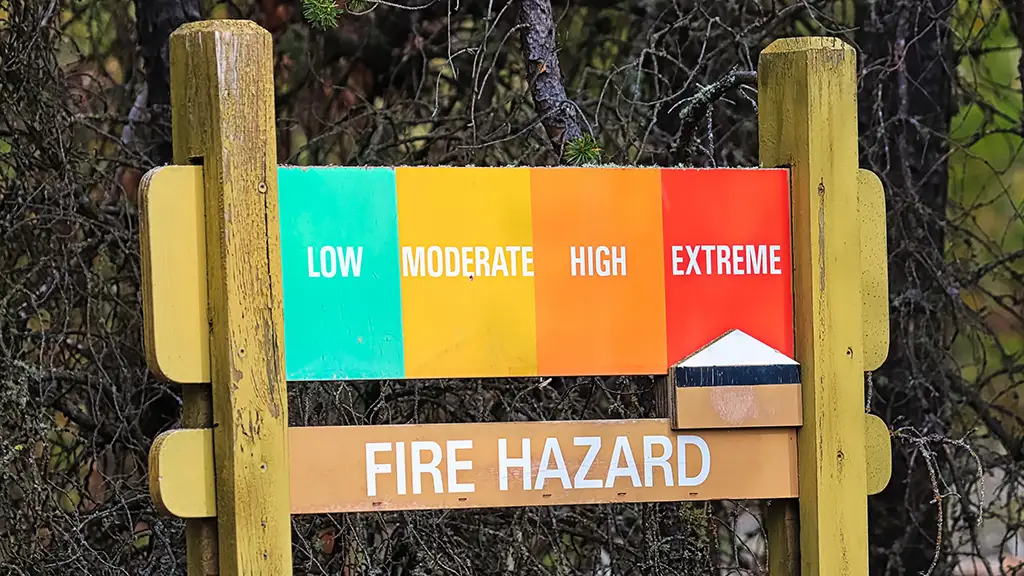
Canada is experiencing a significant wildfire season, with risks elevated in various regions. Despite a decrease in federal assistance requests and evacuees compared to last year, the situation remains critical.
OTTAWA — Canada is currently facing one of its most severe wildfire seasons, projected to be the fourth worst on record. During a recent fire briefing held in Ottawa, federal forecasters indicated that the risk of wildfires in September is expected to exceed seasonal averages, particularly in northern British Columbia, northern Quebec, and much of Labrador. So far this year, wildfires have devastated over 40,000 square kilometres of land—an area roughly equivalent to that of Nova Scotia. This marks a historic trend, as it is the first time in recorded history that forests have burned consecutively for four years in Canada. Earlier this month, a wildfire in the south Okanagan region of British Columbia resulted in the destruction of approximately 150 homes, barns, and other structures. In July, another significant fire ravaged much of Namaygoosisagagun, also known as Collins First Nation, located 250 kilometres north of Thunder Bay. This fire merged with others in the vicinity, leading to the largest wildfire ever documented in Ontario, covering more than 3,500 square kilometres.Interestingly, despite the severity of the wildfires, the number of requests for federal assistance associated with these disasters has seen a notable decline this year. At a technical briefing, government officials reported that only two requests for assistance related to wildfires have been received thus far in 2026, a stark contrast to the 11 requests reported last year. Craig Oldham, the director general of public safety and emergency preparedness, highlighted this trend.
This year has also witnessed the evacuation of 8,616 individuals from First Nations communities across Canada due to wildfires, a significant decrease from the 49,000 evacuees recorded last year. Natasha Klink, operations manager of the emergency management branch at Indigenous Services Canada, noted that this year is trending towards a lower average, despite being the fourth-highest number of evacuees from First Nations communities on record. Klink stated, "Since 2023, we’ve consistently observed the highest number of evacuees. However, this year, we are likely to align with the levels seen in 2024."
As of now, there are 580 wildfires burning across the country, with 30 of them classified as out of control. Although this year’s wildfire season is less severe compared to last year, which was marked as the second-worst season on record, forecasts predict a drier September for much of Canada, excluding Alberta and Saskatchewan. This could lead to an increased fire risk. Yan Boulanger, a research scientist with Natural Resources Canada, emphasized the importance of noting that the seasonal baseline fire danger for many regions is typically very low in September. Thus, while the forecast suggests above-average danger, substantial fire growth is not anticipated.
It is worth mentioning that the worst wildfire season on record occurred in 2023, with more than 170,000 square kilometres burned, an area over twice the size of New Brunswick.
🏷️
Canada
environment
Ontario
First Nations
British Columbia
emergency management
Infrastructure
Construction
wildfires
public safety
← Previous Post
GTA's Housing Market Sees Strong Demand for Single-Family Homes Amidst Struggles for Condos2 months ago
Next Article →
Restoration of Inkerman Recreational Trail Bridge Receives Federal Funding2 months ago